
What Is a Cincture?
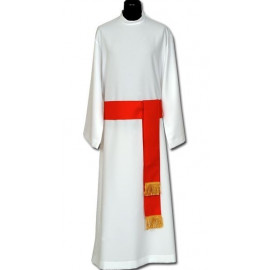
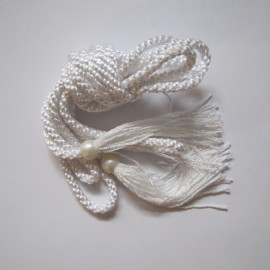
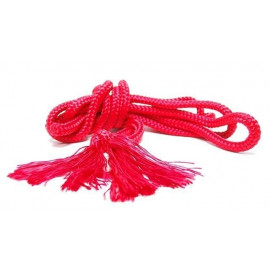
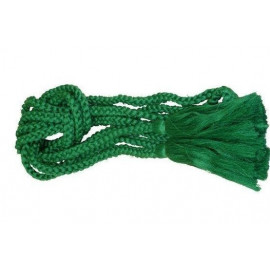
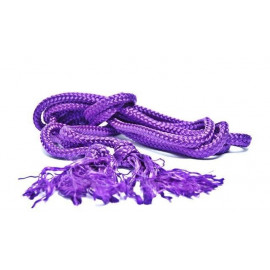
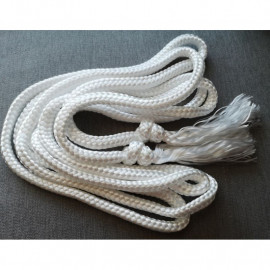
A cincture (from Latin cingere, "to gird") is a rope-like or ribbon-like liturgical vestment worn around the waist, encircling the body over the alb or cassock. It is also called a girdle, a rope belt, or — in the Eastern rites — a zone. There are two main types: the rope cincture, a narrow cord with knots or tassels at both ends, and the band cincture, a broad ribbon of cloth that hangs down in a section on one side. Both types are used in the Catholic Church and the Anglican Communion.
What Does the Cincture Symbolize?
The cincture is traditionally associated with chastity, self-discipline, and readiness for service. Because it gathers and holds the alb in place, it also expresses preparation: the minister is "girded" for the work of the liturgy. In the traditional prayers said while vesting, the cincture is linked with purity of heart and self-control.
Who Wears a Cincture?
Cinctures are worn by ordained clergy and by lay ministers: priests and deacons over the alb, altar servers and acolytes over an alb or over a surplice and cassock, and often lectors and other ministers who wear an alb. The cincture is tied over the waist of the vestment, never under it, and its color usually matches the liturgical season.
Cincture Colors and the Liturgical Year
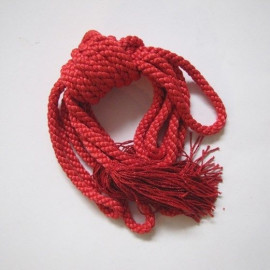
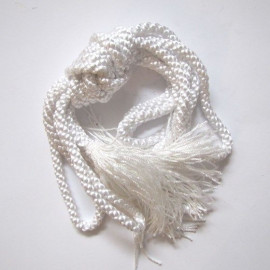
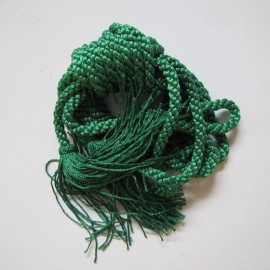
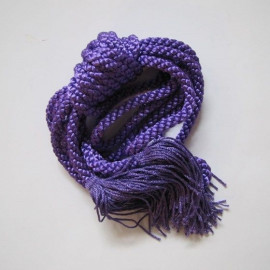
Liturgical cinctures come in the four basic liturgical colors, so the cord can match the vestments of the day: white for Christmas, Easter, and feasts of the Lord; red for Pentecost, Good Friday, and martyrs; green for Ordinary Time; and purple for Advent and Lent. Gold or decorative white cinctures are often used for solemn celebrations.
Rope Cinctures vs Band Cinctures
A rope cincture is a narrow braided cord, usually cotton, finished with knotted ends or tassels — the classic style for albs and server vestments. A band cincture is a wider sash of cloth that wraps the waist and leaves a decorative section hanging at the side; it is often worn with a cassock or choir dress. Both are secured with a simple knot, and rope cinctures are frequently tied with the loop-and-knot method so the tassels hang evenly.
Materials, Knots, and Lengths
Most cinctures are made of cotton braid or cord, which is durable, washable, and holds a knot well; decorative styles add rayon, silk blends, or metallic thread. Traditional knot styles include the monks knot and the Benedictine knot. Standard cincture lengths run from about 118 inches (3 m) to 150 inches (3.8 m); the 4-meter cinctures in our collection fit most adult clergy and altar servers, while shorter cords suit younger servers.
How to Tie a Cincture
To tie a rope cincture: hold the center of the cord at your waist, wrap both ends around the alb, cross them at the back, bring them to the front, and tie a simple knot — or form a loop and pass the knotted ends through it for the traditional look. Adjust the tassels so they hang evenly. A band cincture is wrapped around the waist and secured with a knot or hidden closure, with the hanging section at the side.
Choosing the Right Cincture
Choose the length by the wearer's waist size and height — 4-meter cinctures suit most adults, while children's vestments take shorter cords. Choose the color by the liturgical season, and the material by use: plain cotton braid for everyday Mass and server practice, decorative or gold-accented cinctures for solemn feasts. Pair the cincture with a matching surplice or altar server alb for a complete vestment set.
Frequently Asked Questions
What is a liturgical cincture?
A liturgical cincture is a rope or band worn around the waist over an alb or cassock to secure the vestment. It is made in the liturgical colors and is worn by priests, deacons, and altar servers.
Why do priests wear cinctures?
Priests wear the cincture to gather the alb at the waist and as a symbol of chastity and readiness for service. Its color matches the liturgical season.
Can anyone wear a cincture?
Yes — cinctures are worn by clergy and by lay ministers, including altar servers, acolytes, and lectors. They are part of the vestments worn for liturgical service, not everyday clothing.
What is the difference between a cincture and a belt?
A cincture is a liturgical cord or band tied over a vestment; a belt is an everyday accessory. The band cincture is sometimes called a sash, and in secular terms it resembles a waist-sash.
How do you pronounce "cincture"?
"Cincture" is pronounced SINK-cher (IPA: /ˈsɪŋktʃər/) — the "c" before "t" sounds like "k".
What length cincture do I need?
Most adult albs use a 4-meter (about 13 ft) cincture; shorter cords fit children and small server vestments. When in doubt, choose the longer cord — it can be wrapped twice.
Related Guides
Learn more about vestments in our guides: Alb vs Surplice: What's the Difference, Complete Guide to Liturgical Vestments, and How to Store Liturgical Vestments Properly.
