

What Is a Liturgical Corporal?
A liturgical corporal is a square linen cloth placed on the altar during Mass. The chalice, paten, and any consecrated hosts are placed on the corporal. Its purpose is to catch any particles of the consecrated host that might fall during the liturgy.
The word "corporal" comes from the Latin "corpus," meaning body — referring to the Body of Christ. The corporal is one of the most important liturgical linens because it directly contacts the Eucharist. After Mass, the corporal is carefully folded to keep any particles contained, and these particles are later reverently disposed of.
Every priest needs quality corporals. They are used at every Mass and should be chosen for absorbency, durability, and appropriate size.
What Types of Corporals Are Available?
Corporals come in several options:
Plain linen corporals — simple, unadorned linens. These are the most traditional and appropriate for daily Mass. Usually 18-20 inches square when unfolded.
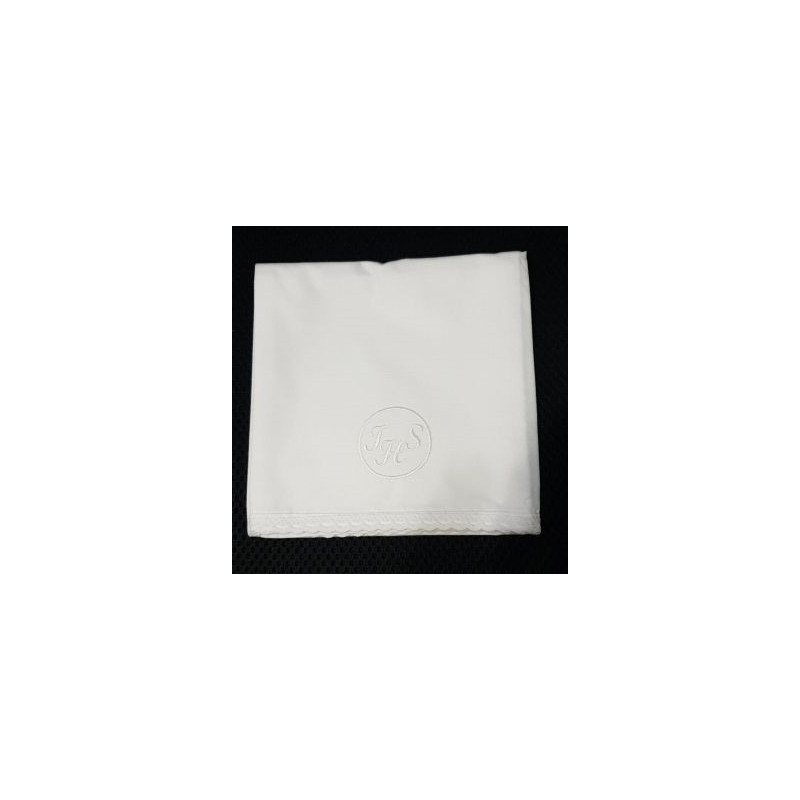
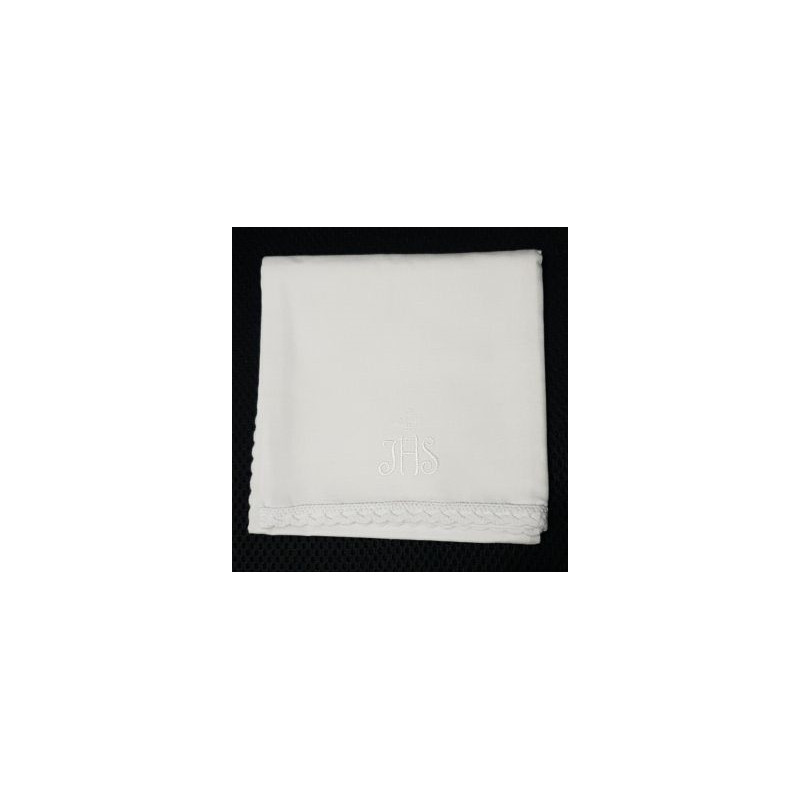
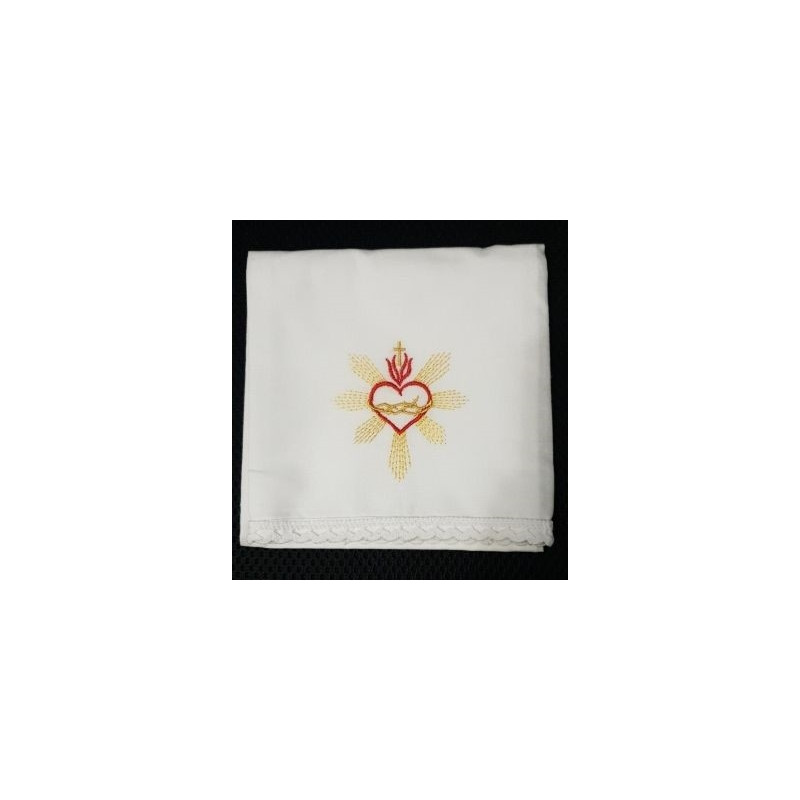
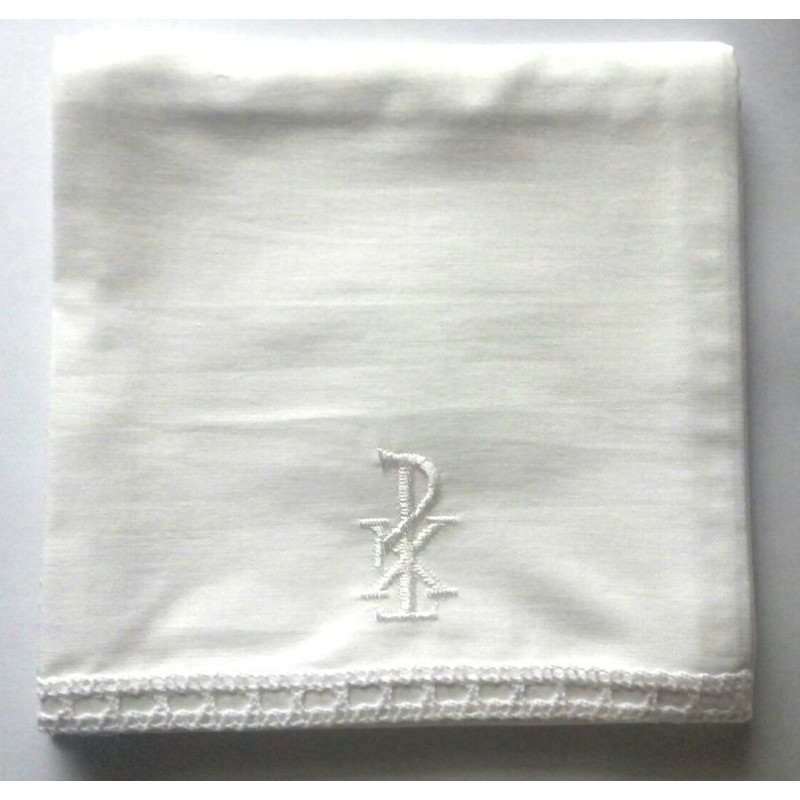
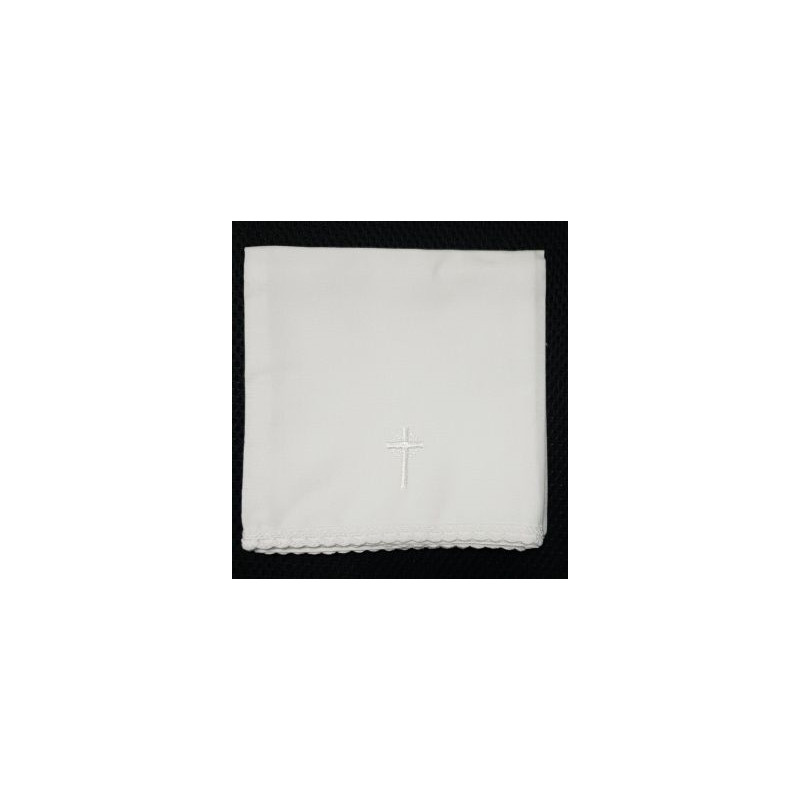
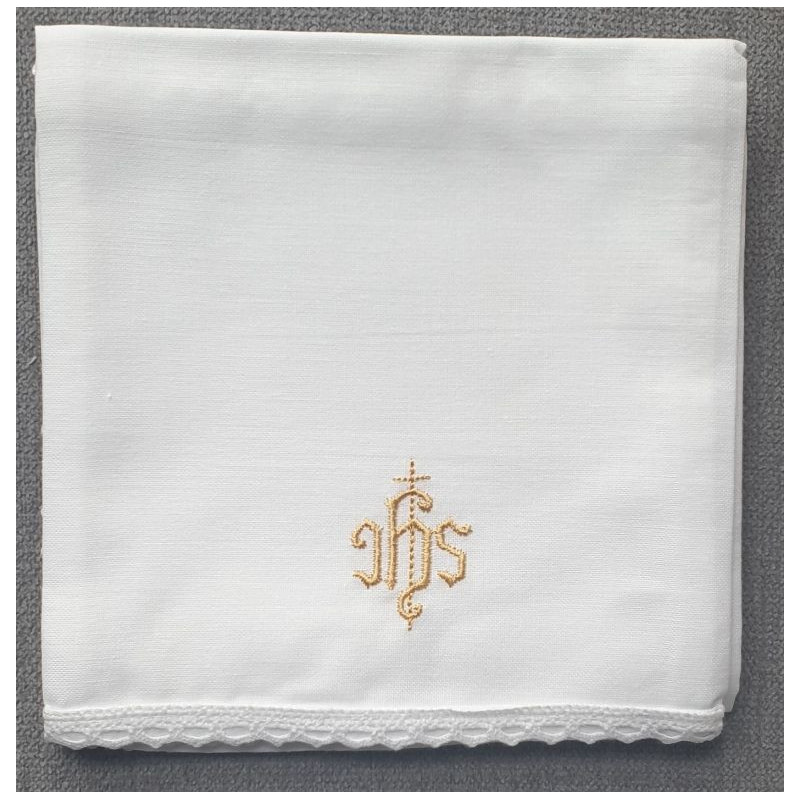
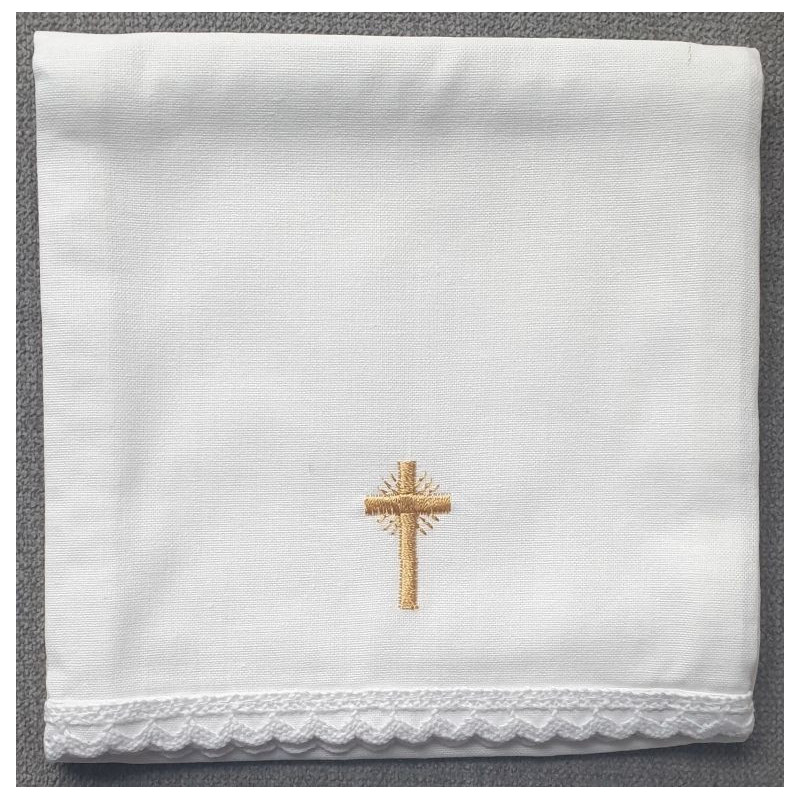
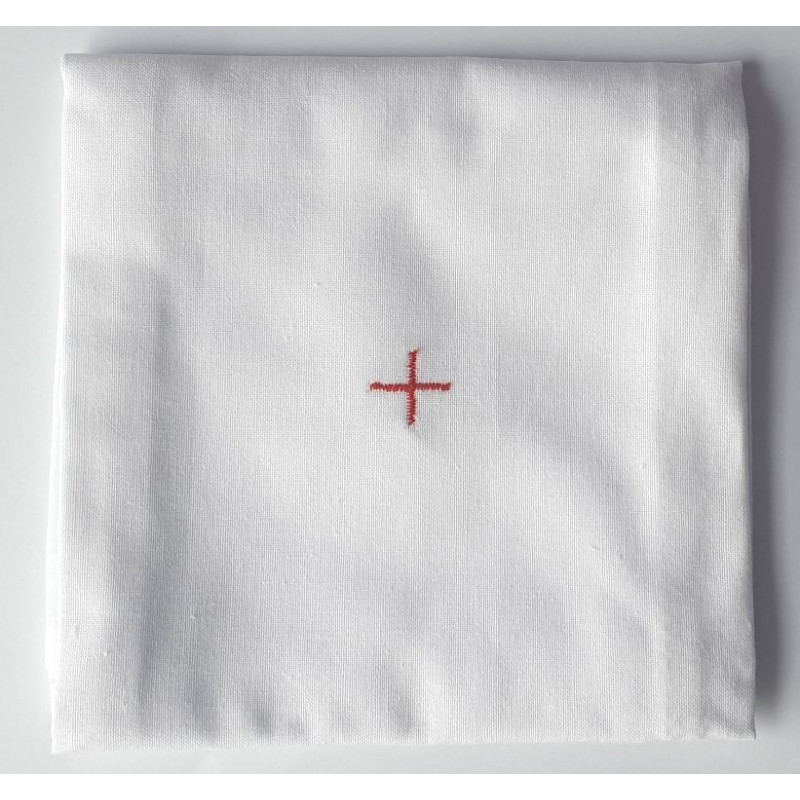
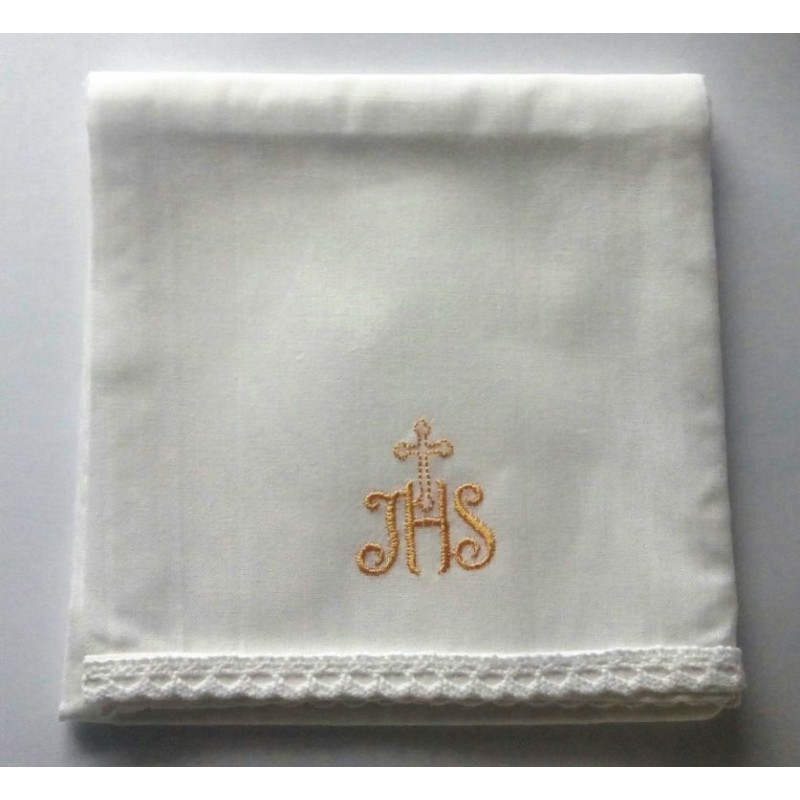
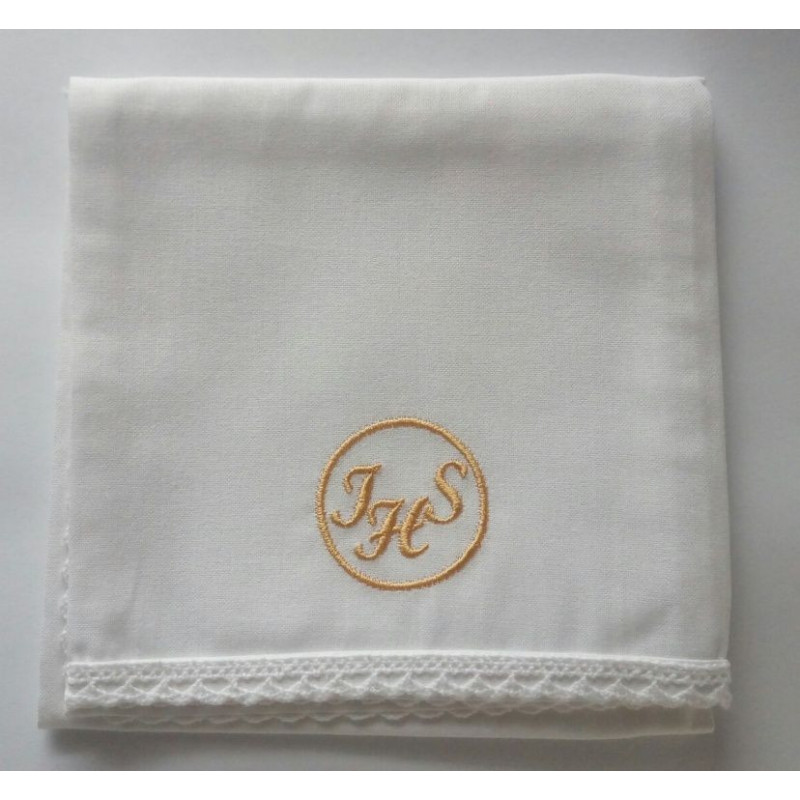
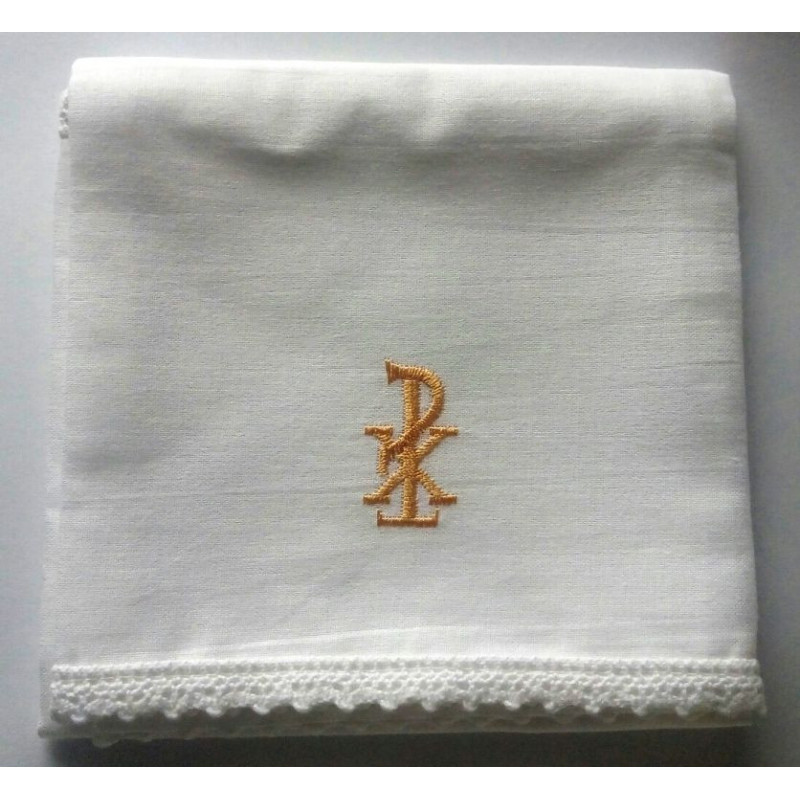
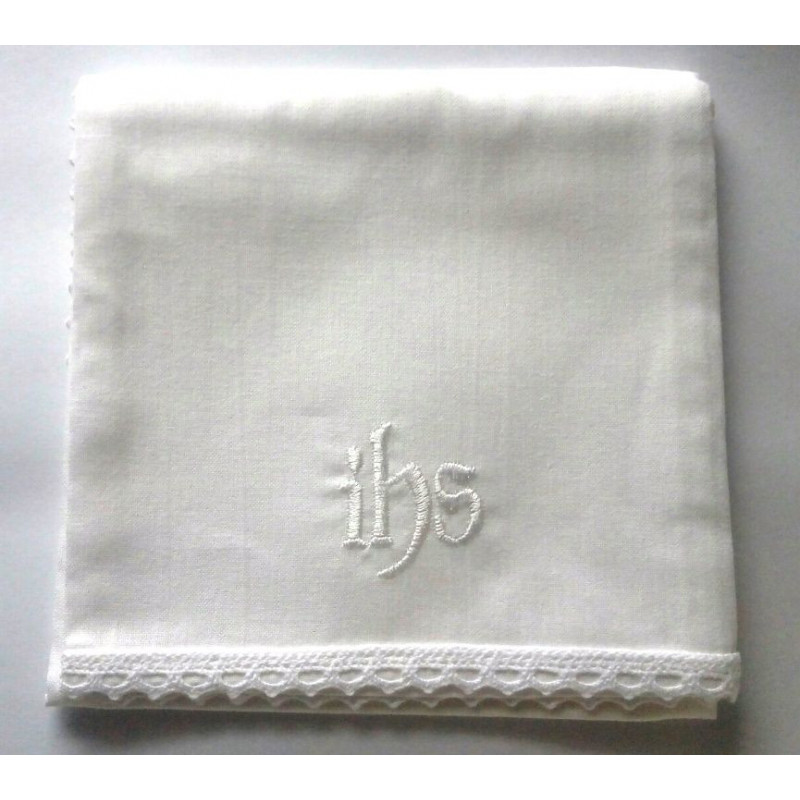
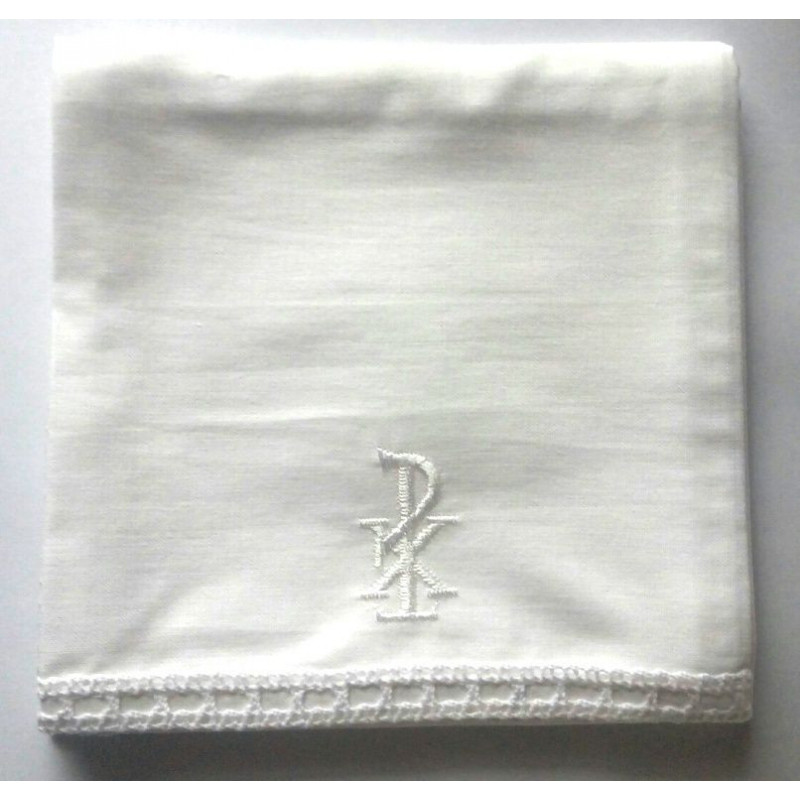
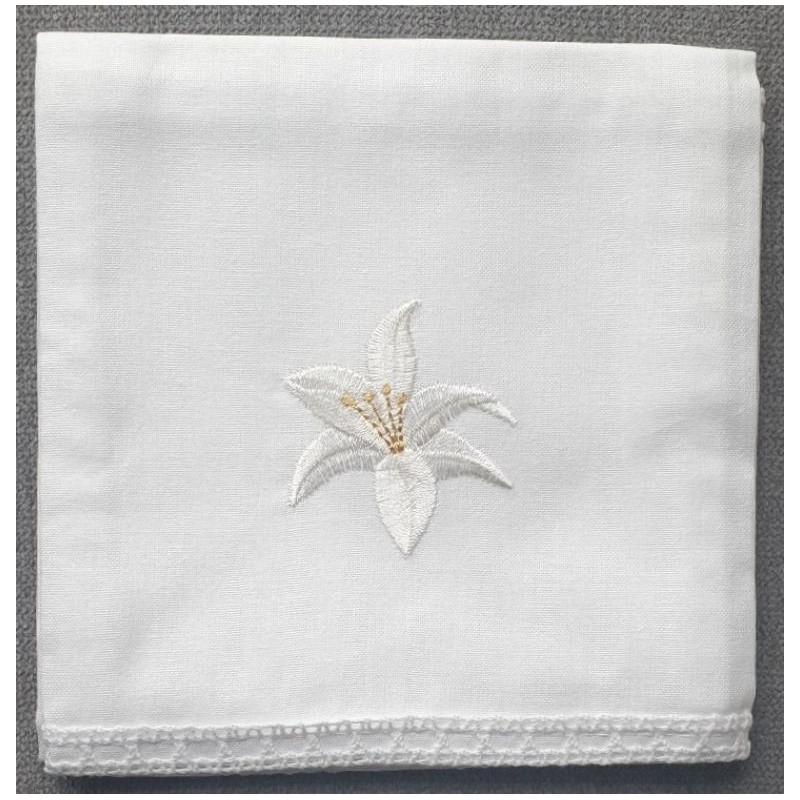
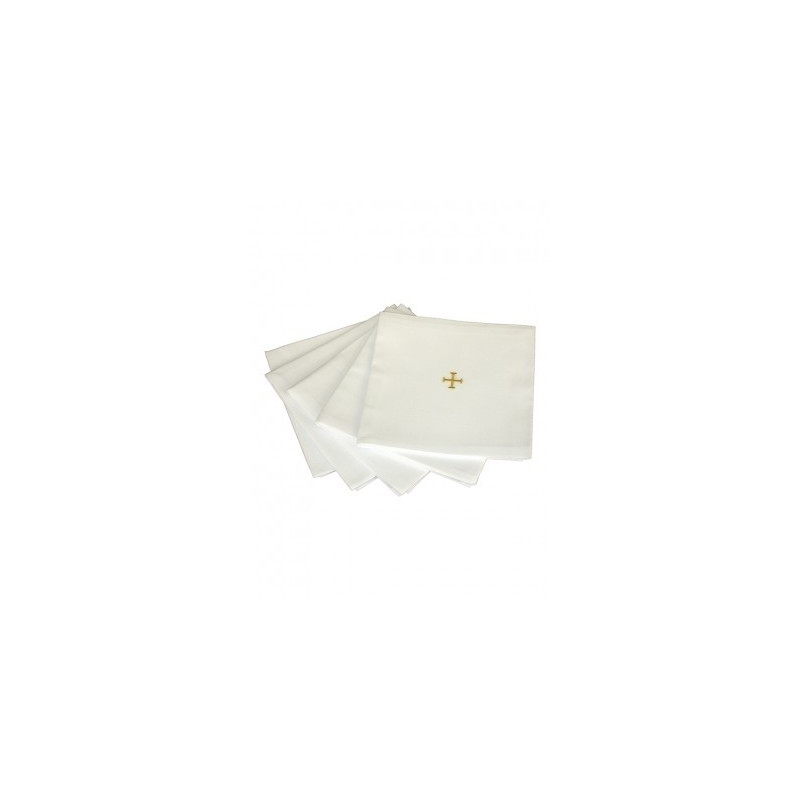
Embroidered corporals — feature decorative embroidery, often a cross in the center. These are popular for Sunday Mass and solemnities. The cross helps the priest place the corporal correctly on the altar.
Stiffened corporals — have a light stiffening between the linen layers to help them lay flat on the altar. These are easier to handle and fold.
How Do I Choose the Right Corporal?
- Check the size. Standard corporals are 18-20 inches square when unfolded. Make sure it is large enough to hold your chalice and paten.
- Consider the fabric. Pure linen is the traditional choice. It is absorbent, durable, and gets softer with washing.
- Think about the cross. Many corporals have a cross embroidered in the center. This helps the priest place the corporal correctly on the altar.
- Look for quality construction. The hem should be even and secure. If embroidered, the stitching should be tight and durable.
| Type | Size | Best For | Price Range |
|---|---|---|---|
| Plain linen | 18x18 inches | Daily Mass, regular use | $10–$25 |
| Embroidered | 18x18 inches | Sunday Mass, solemnities | $15–$45 |
| Stiffened | 20x20 inches | Easy handling, cathedral use | $20–$55 |
Browse Our Corporal Collection
Explore our selection of corporals in plain, embroidered, and stiffened styles. Available in standard and larger sizes. Find the right corporal for your Mass. We also offer purificators, palls, and complete chalice linen sets. To carry and protect the folded corporal, use a liturgical burse — the stiffened case that also rests on top of the veiled chalice before Mass.
What Is a Corporal Used For?
A corporal is used at every Mass. It is spread on the altar at the preparation of the gifts, as the General Instruction of the Roman Missal provides, and the chalice, paten, and ciborium are placed on it. The corporal remains on the altar through the Eucharistic Prayer, catching any fragments of the consecrated host and drops of the Precious Blood. After Holy Communion the priest folds it carefully so that no fragments are lost. The same cloth is also laid on the altar beneath the monstrance during adoration and Benediction of the Blessed Sacrament. In Eastern churches, the closest equivalent is the antimension — a consecrated cloth with relics sewn into it.
For a step-by-step explanation, see our guide: What is a corporal and how is it used?
When is the corporal used during Mass?
It is unfolded on the altar at the preparation of the gifts and remains there until after Holy Communion, when it is folded. It is used at every Mass — daily Mass, Sunday Mass, and solemnities.
How Do You Fold a Corporal?
After Communion the priest folds the corporal in thirds, first lengthwise and then crosswise, so that the embroidered cross ends up on top and any fragments of the host stay safely inside the folds. The folded corporal is placed inside the burse — the stiffened case that rests on top of the veiled chalice before Mass. Sacristans and altar servers should use the same fold when preparing the altar; because the cross marks the center of the cloth, the corporal also unfolds the right way up.
How Is a Corporal Different from a Purificator or a Pall?
The three linens work together at Mass, but each has a distinct role:
- Corporal — the square cloth spread on the altar under the chalice and paten; it catches fragments of the host. Usually 42–48 cm (16.5–18.9 in) square, made of linen or cotton.
- Purificator — an oblong cloth used to wipe the chalice and the priest's fingers after Communion.
- Pall — a small stiffened square that covers the chalice during Mass; see our white chalice palls in 17–20 cm sizes.
All three belong to a chalice linen set and travel in a burse.
Corporal Sizes, Fabric, and Care
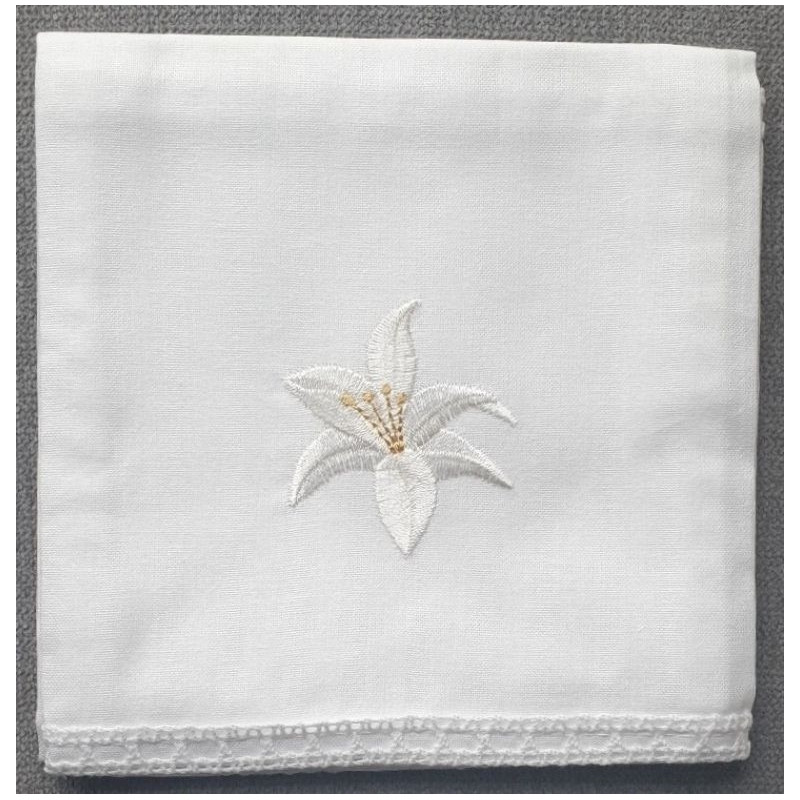
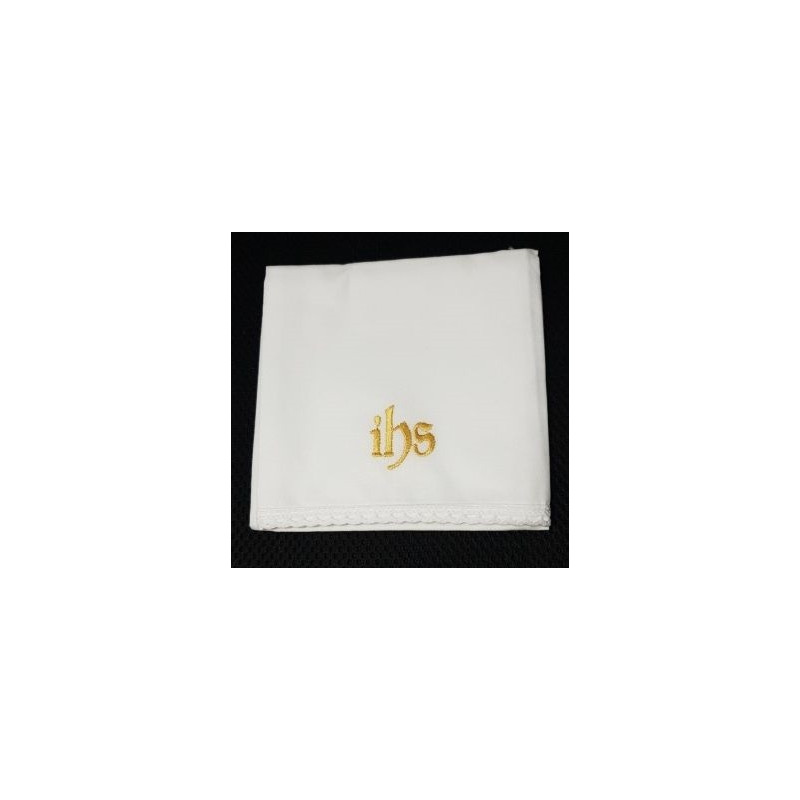
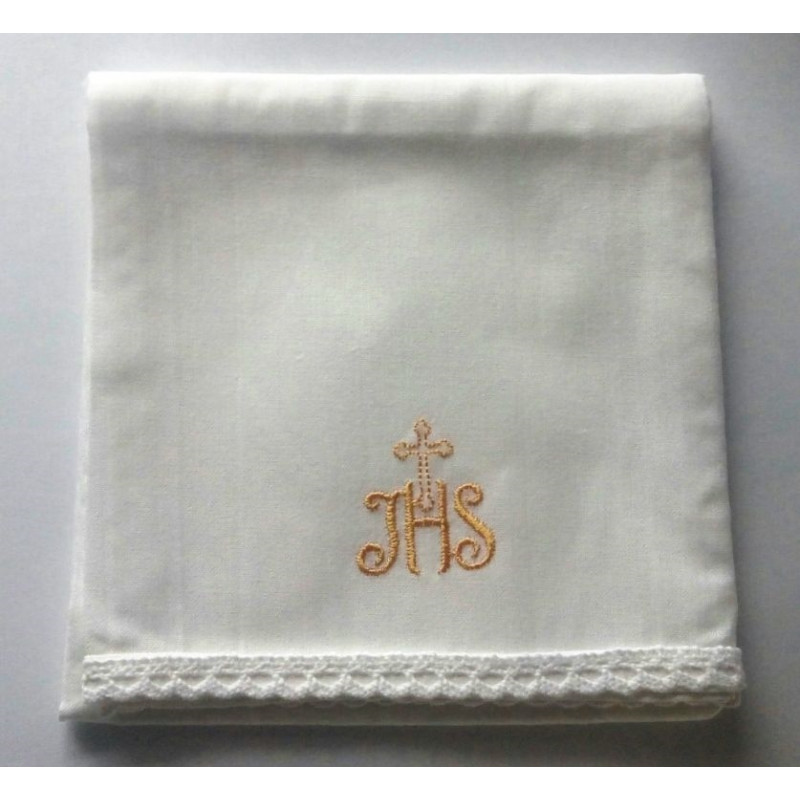
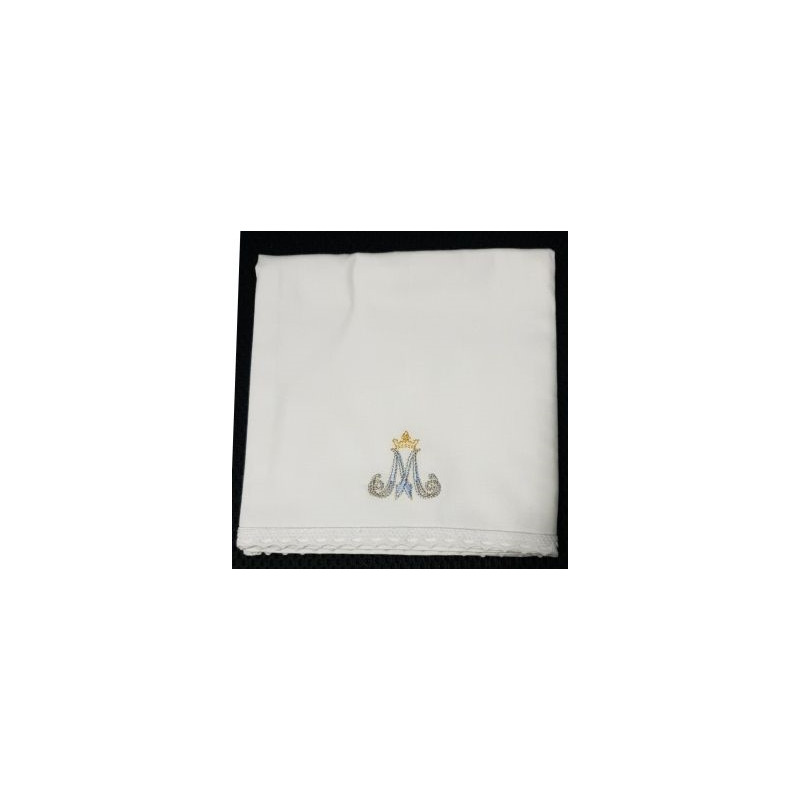
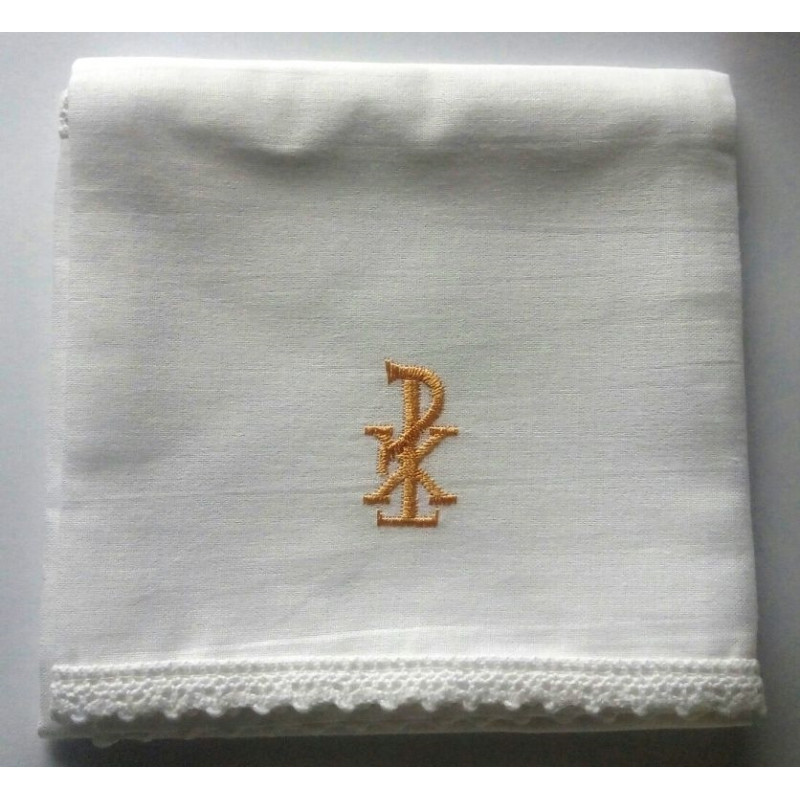
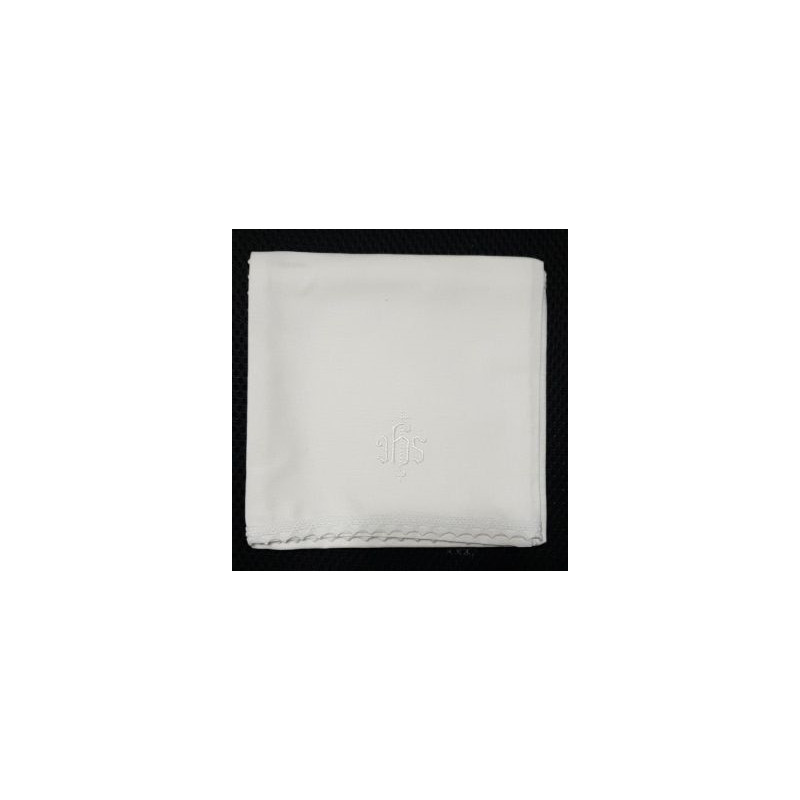
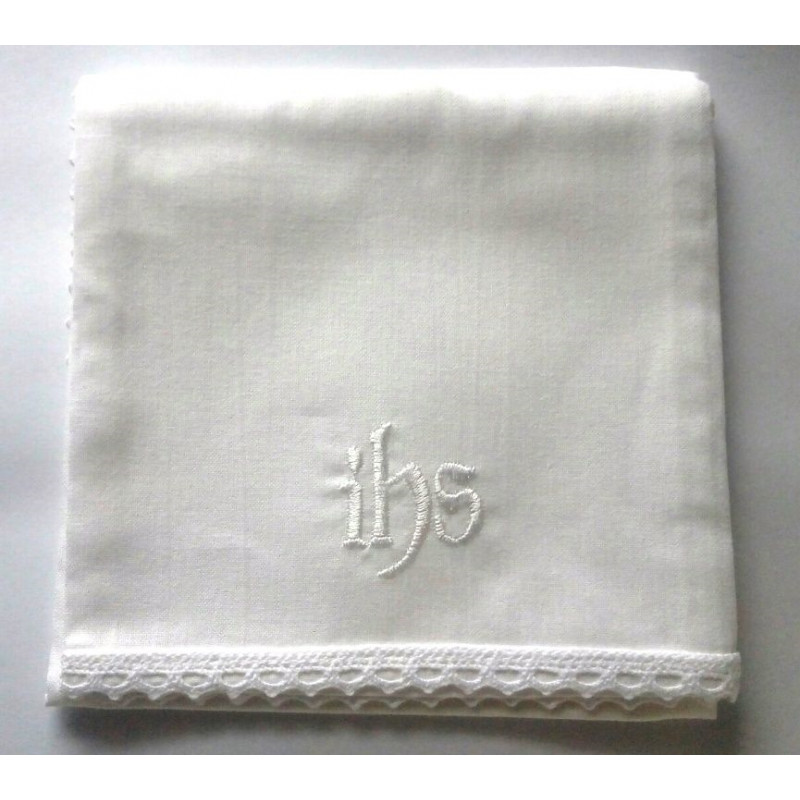
Our Catholic corporals are made of 100% cotton and measure 42–48 cm (16.5–18.9 in) square when unfolded — a standard size that fits most chalices and patens. Several designs are trimmed with cotton lace. Embroidered crosses, IHS and PX monograms, and Marian motifs mark the center of the cloth, which helps the priest place and fold the corporal correctly. Our cotton corporals can be machine washed at temperatures up to 95 °C (203 °F); for step-by-step instructions see how to wash liturgical linens.
Corporal FAQs
What is a Catholic corporal?
A Catholic corporal is a square white cloth — traditionally linen — placed on the altar during Mass, on which the chalice, paten, and ciborium rest. Its purpose is to catch fragments of the consecrated host and drops of the Precious Blood.
Can a corporal be washed?
Yes. Our 100% cotton corporals can be machine washed at up to 95 °C (203 °F) and ironed. Wash them separately from everyday laundry and keep the cloth folded so that any fragments remain contained. See our liturgical linen washing guide.
Does a corporal have to be made of linen?
Traditionally the corporal is made of linen — the fabric used for altar linens for centuries. Durable, easy-care cotton corporals are also widely used today; ours are made of 100% cotton with embroidered decoration.
