


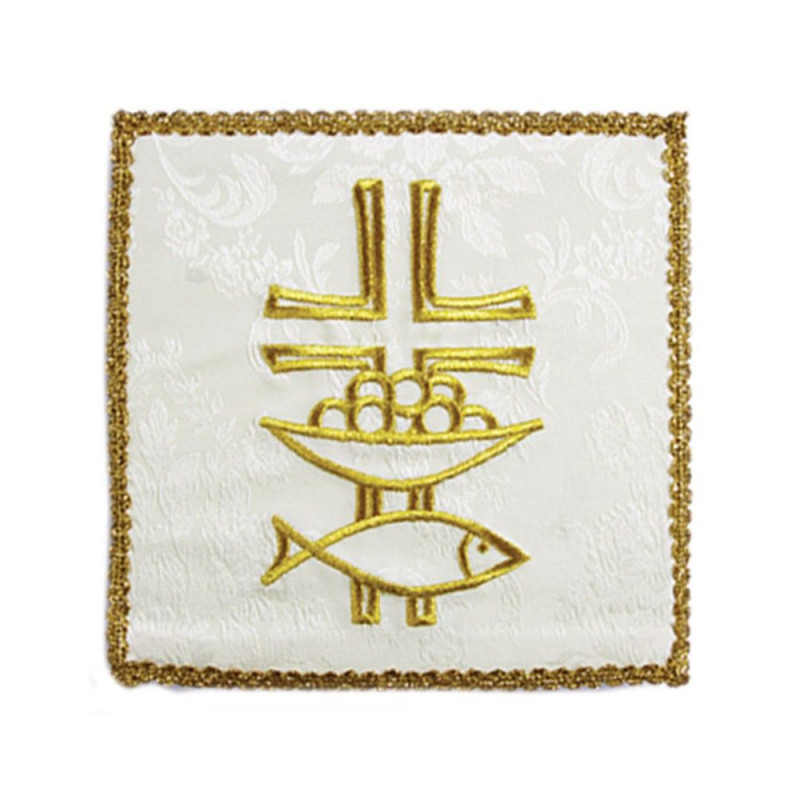
What Is a Liturgical Pall?
A liturgical pall is a stiff square cloth placed over the chalice during Mass to protect it from dust, insects, and other contaminants. It is one of the three essential chalice linens (along with the corporal and purificator) and is used at every celebration of Mass.
The pall is typically made of linen or cardboard covered with linen and sometimes embroidered. It is stiff enough to lay flat on top of the chalice and large enough to cover the opening completely. After the consecration, the pall is removed and set aside until after communion.
What Types of Chalice Palls Are Available?
Our chalice palls are made in Poland and come in three families:
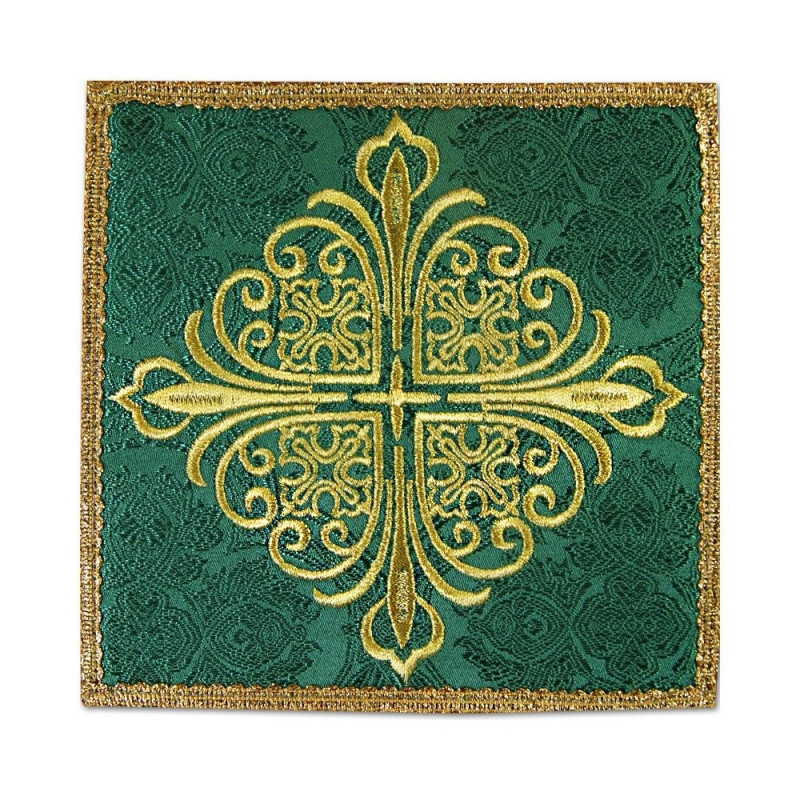
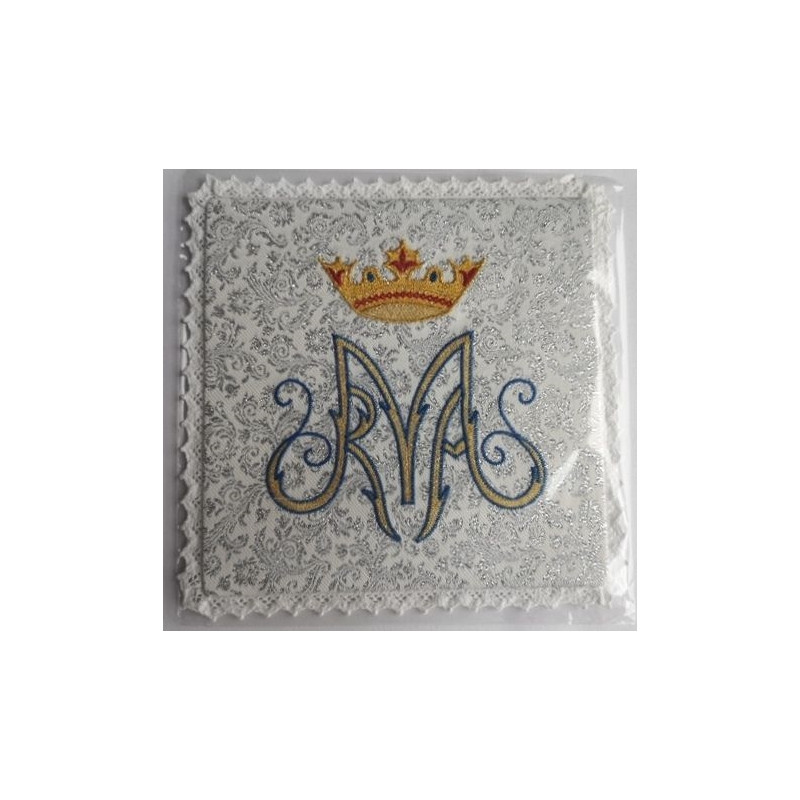
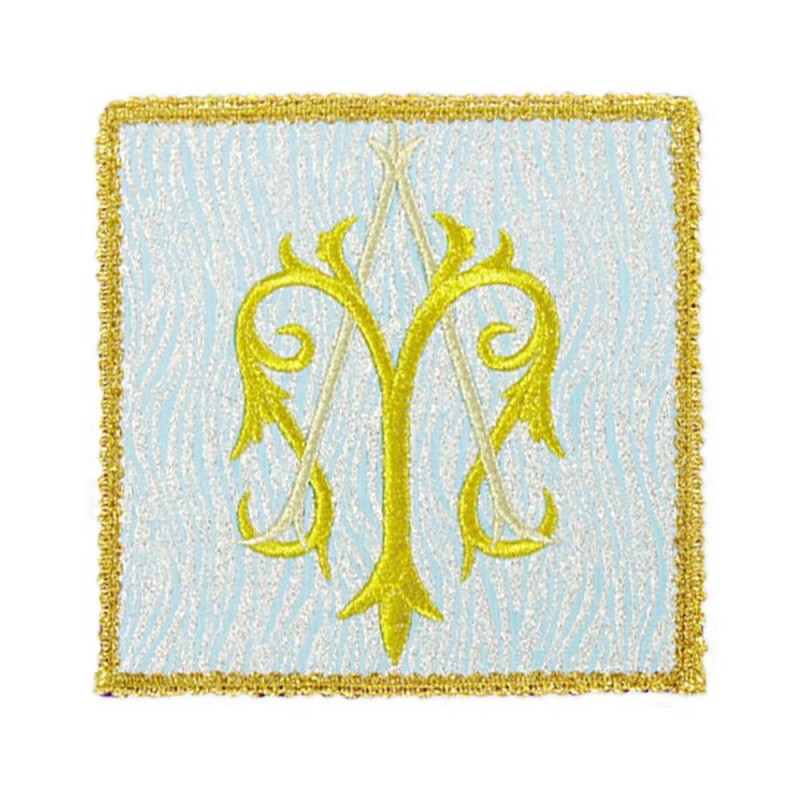
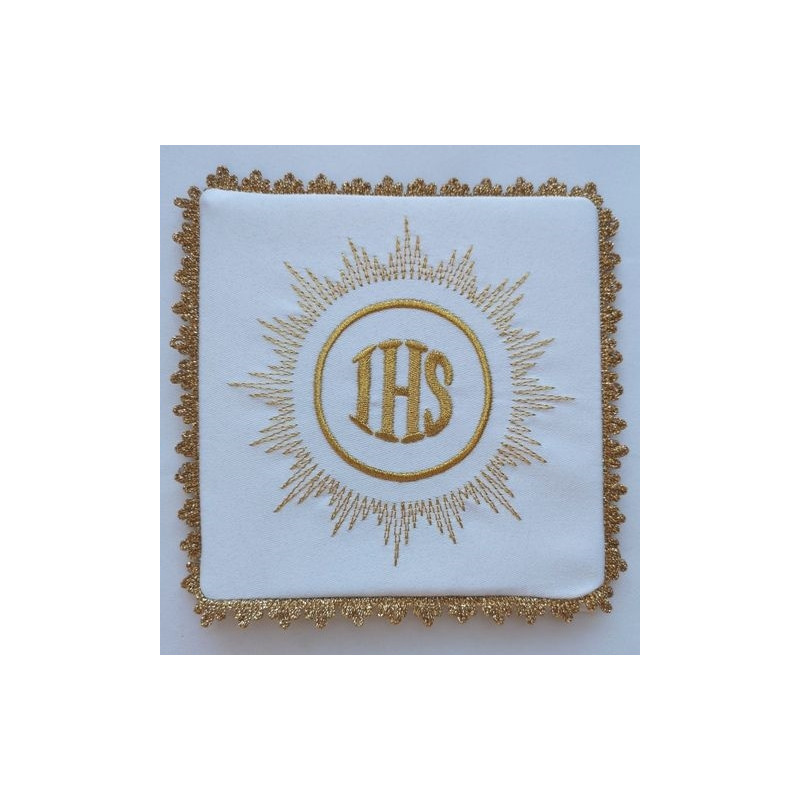
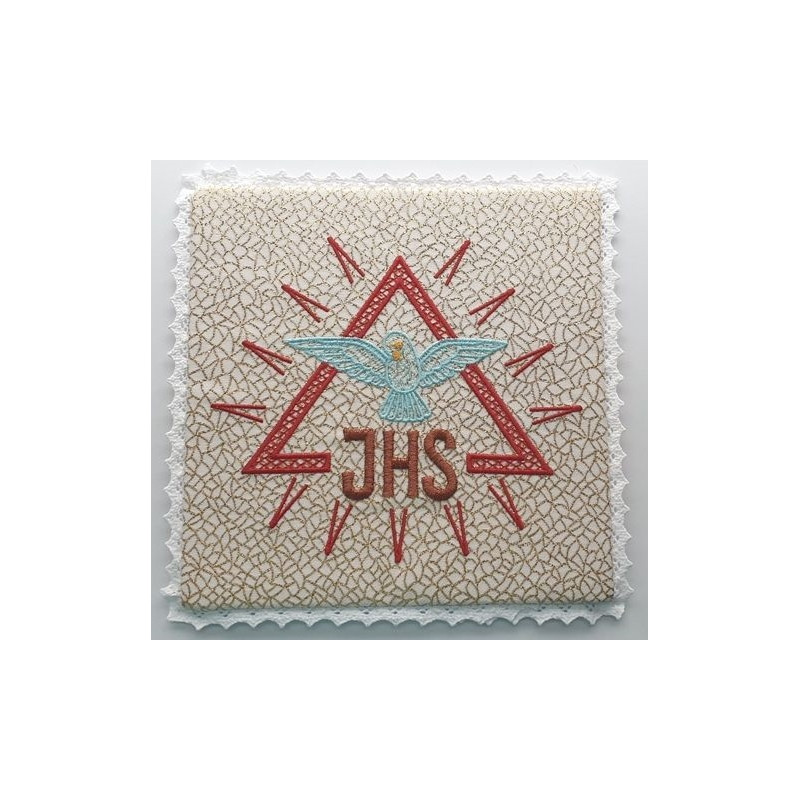
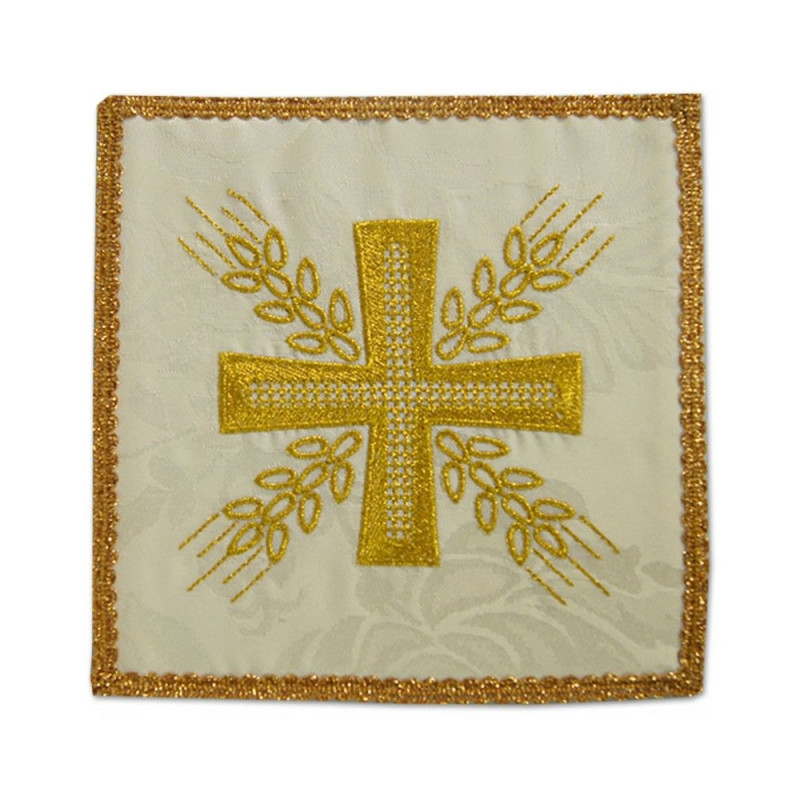
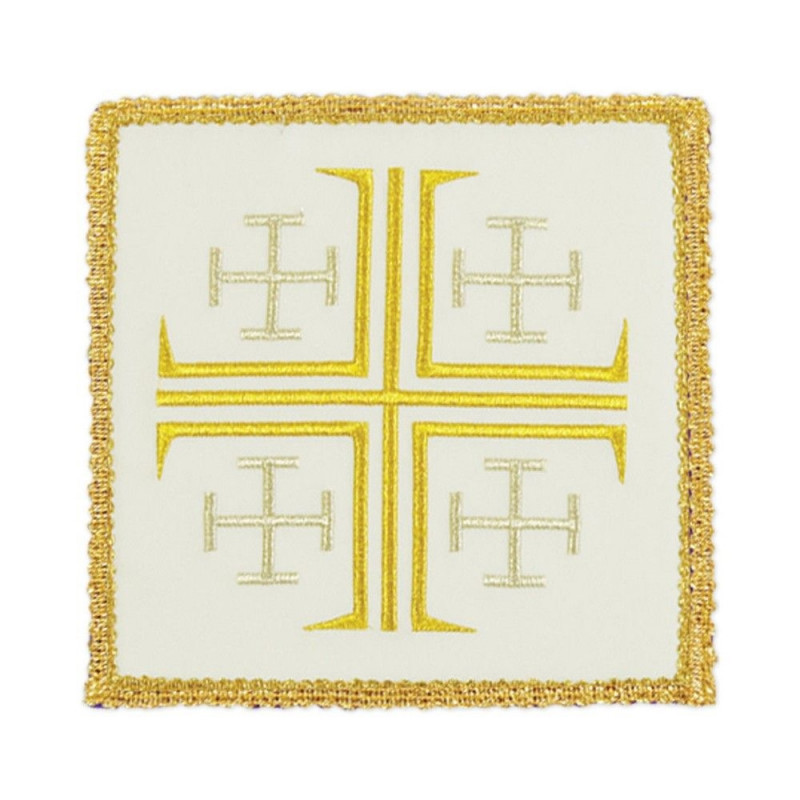
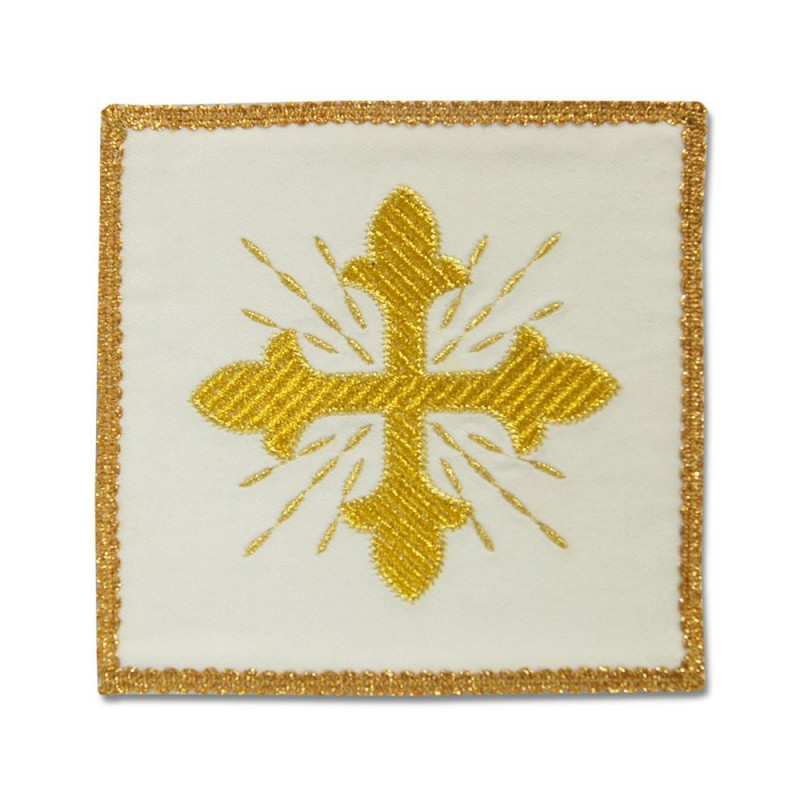
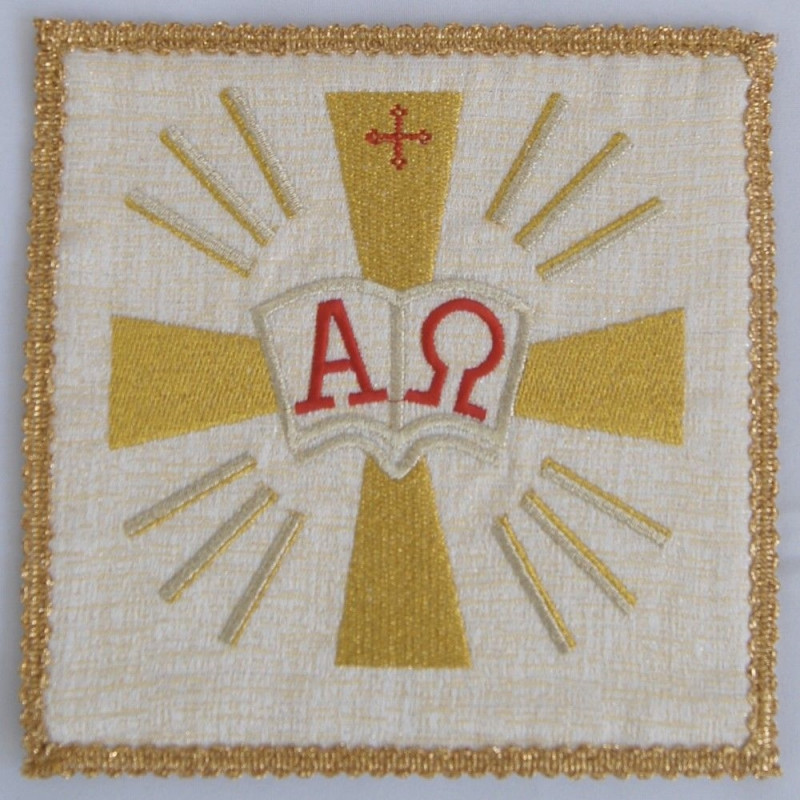
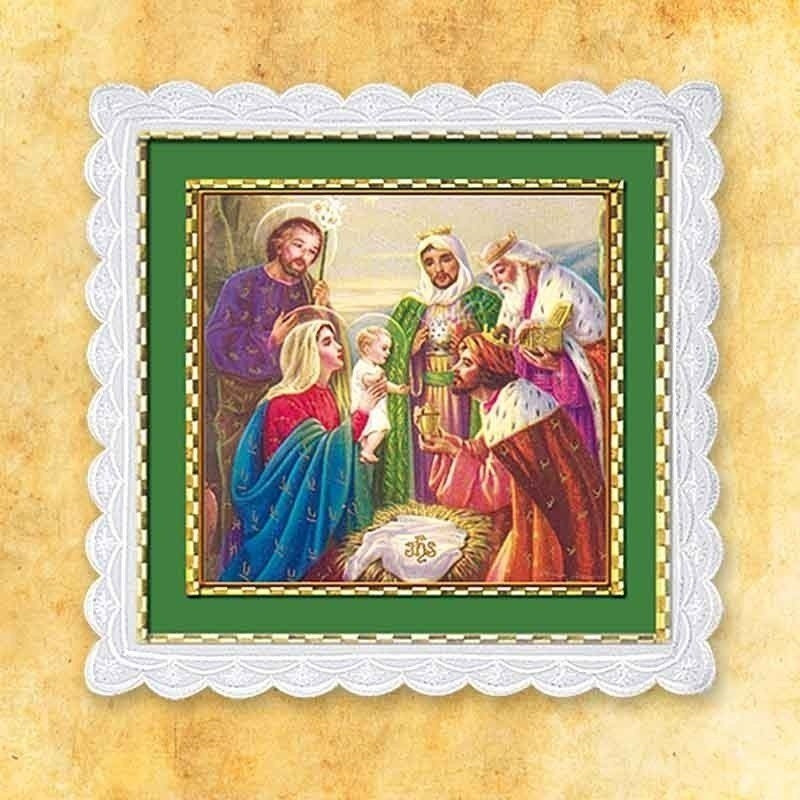
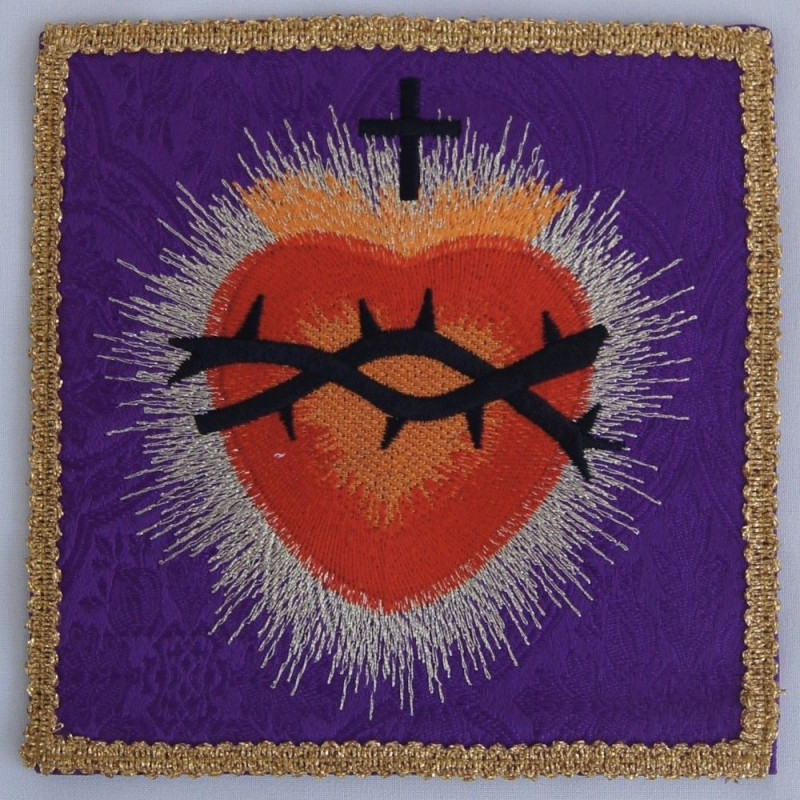
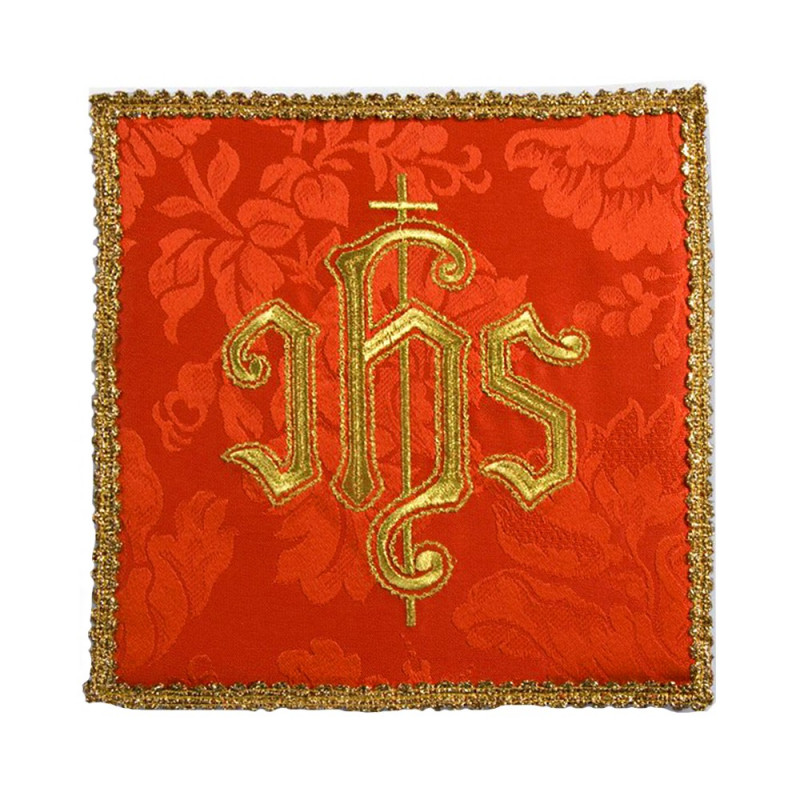
Embroidered cotton and linen palls — the classic white or ecru pall with a cross or a sacred symbol stitched on top. These start at and are the everyday choice for parish sacristies.
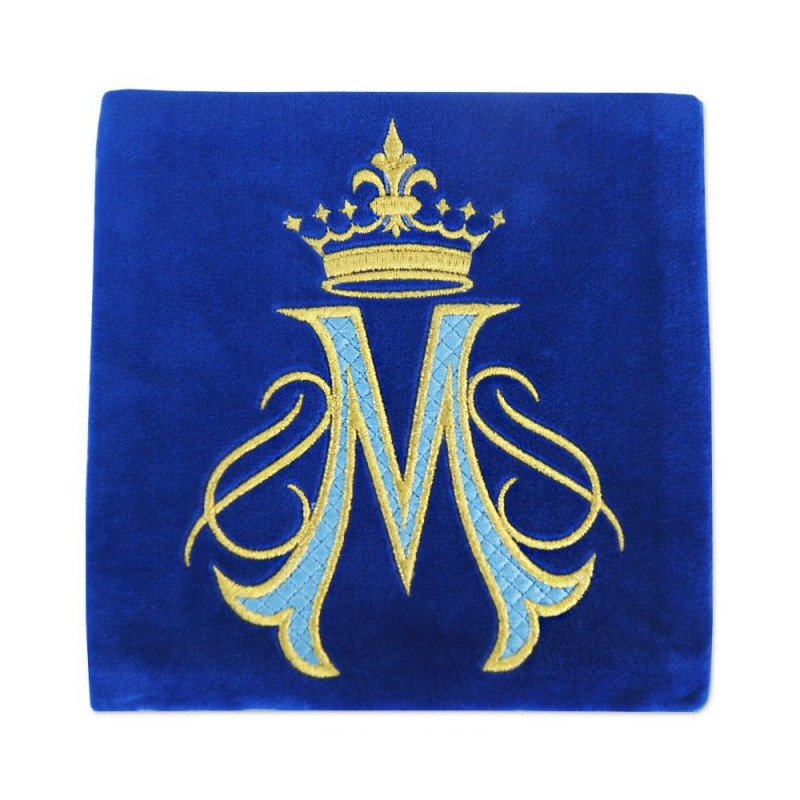
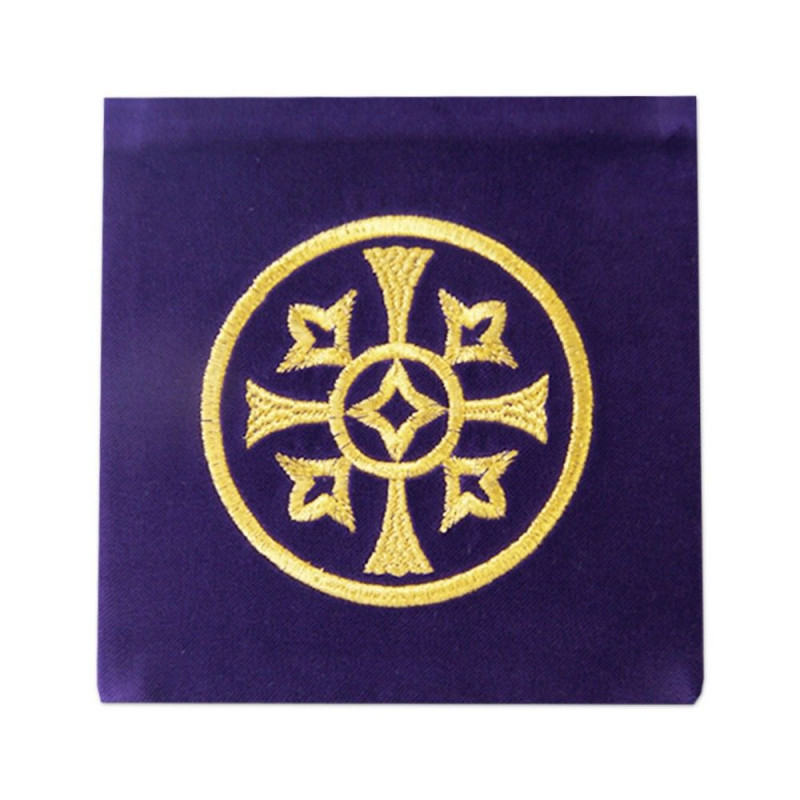
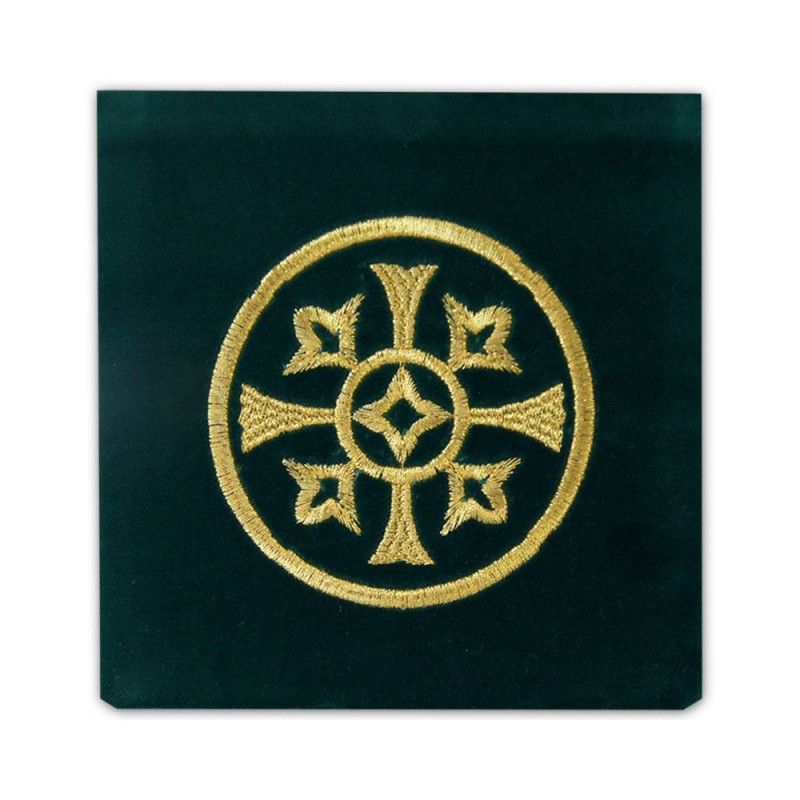
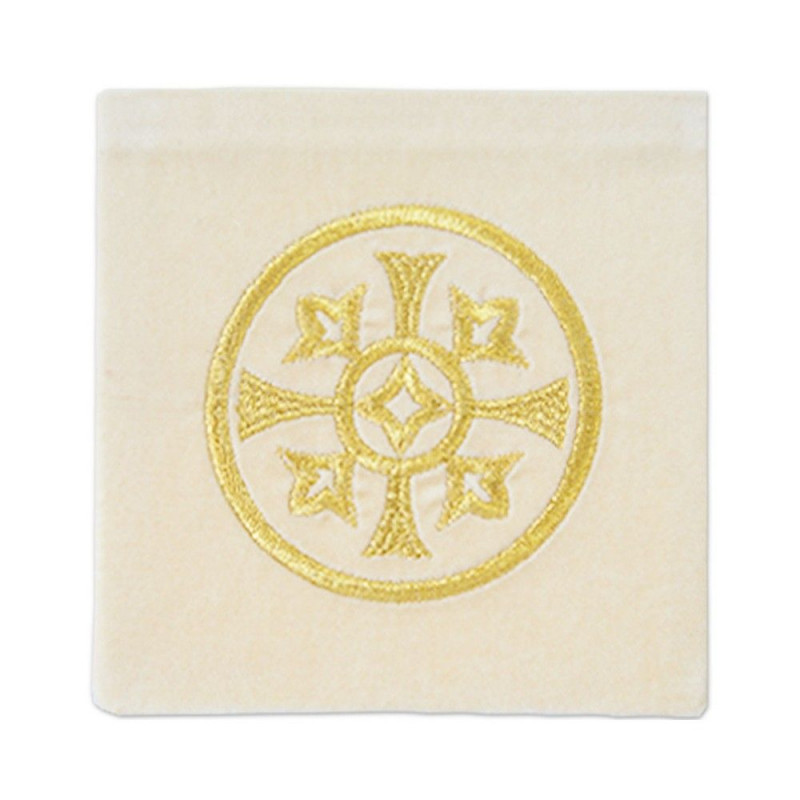
Velvet embroidered palls — a decorative velvet cover with rich embroidery for solemnities and feast days, each.
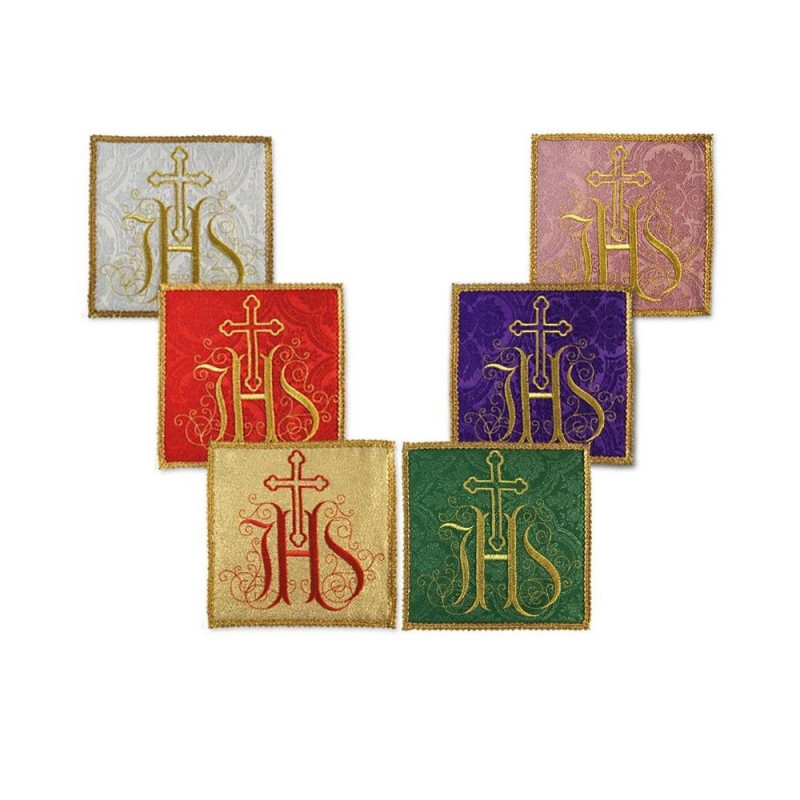
Pall sets — coordinated sets of 4 or 6 palls for sacristies that keep a pall in each liturgical color, and .
Every pall is stiffened so that it lies flat on the chalice, and most include a removable insert that can be taken out before washing.
How Do I Choose the Right Pall?
- Check the size. The pall should be large enough to cover your chalice completely. Standard size is about 6-7 inches square.
- Consider the stiffness. A pall needs to be stiff enough to lay flat but flexible enough to fold for storage.
- Think about the covering. The linen covering should be smooth and securely attached.
- Look for durability. Palls get handled frequently, so they need to hold up to regular use.
| Option | Pieces | Price from |
|---|---|---|
| Embroidered cotton / linen pall | 1 | |
| Velvet embroidered pall | 1 | |
| Chalice pall set | 4 | |
| Chalice pall set | 6 |
Pall Sets and Complete Chalice Linen Sets
Sacristies that prepare for every season often choose a chalice pall set — four or six coordinated palls in the liturgical colors. A full chalice linen set adds the corporal, the purificator, the chalice veil and the burse, so the whole chalice is dressed in matching fabric.
Chalice Pall: Meaning and Use at Mass
The chalice pall (Latin: palla) is the small stiffened square that rests on top of the chalice during the celebration of the Eucharist. Traditionally it is made of stiffened card covered with white linen and embroidered with a cross or another sacred symbol such as IHS, the Lamb of God (Agnus Dei), wheat and grapes. Its purpose is to keep dust and insects from falling into the Eucharistic elements.
The chalice pall belongs to the family of liturgical linens used at every Catholic Mass, together with the corporal, the purificator and the chalice veil. In the Traditional Latin Mass the priest carries the chalice to the altar with the purificator, paten and pall, all covered by the chalice veil and topped with a burse that holds the corporal. Complete chalice linen sets combine these pieces in one coordinated set.
A chalice pall is also called a chalice cover or communion pall. It is not the same item as a funeral pall — the large cloth that covers a casket at a Catholic funeral.
Chalice Pall Sizes, Materials and Inserts
Most chalice palls measure about 15 x 15 cm (6 x 6 inches); larger 7 x 7 inch (18 x 18 cm) palls fit wide chalices. A pall should cover the mouth of the chalice completely and lie flat on the rim, so that it does not slide when the chalice is carried.
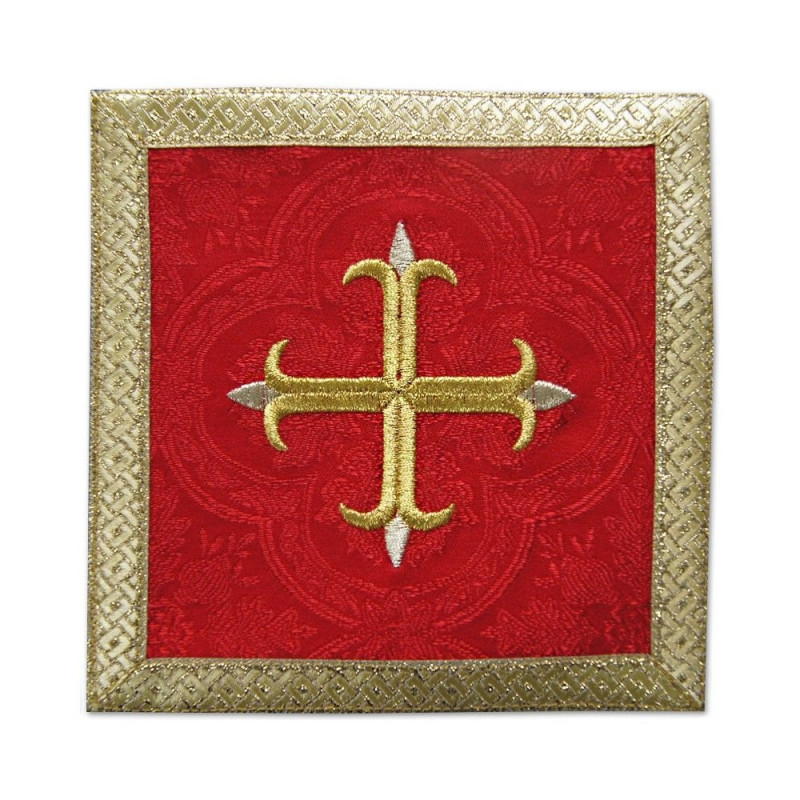
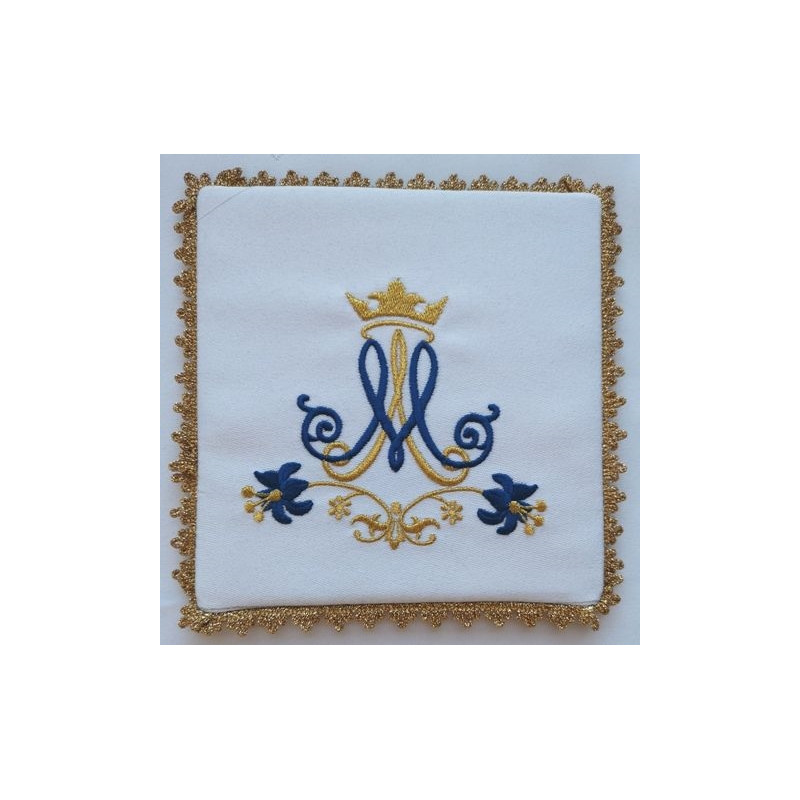
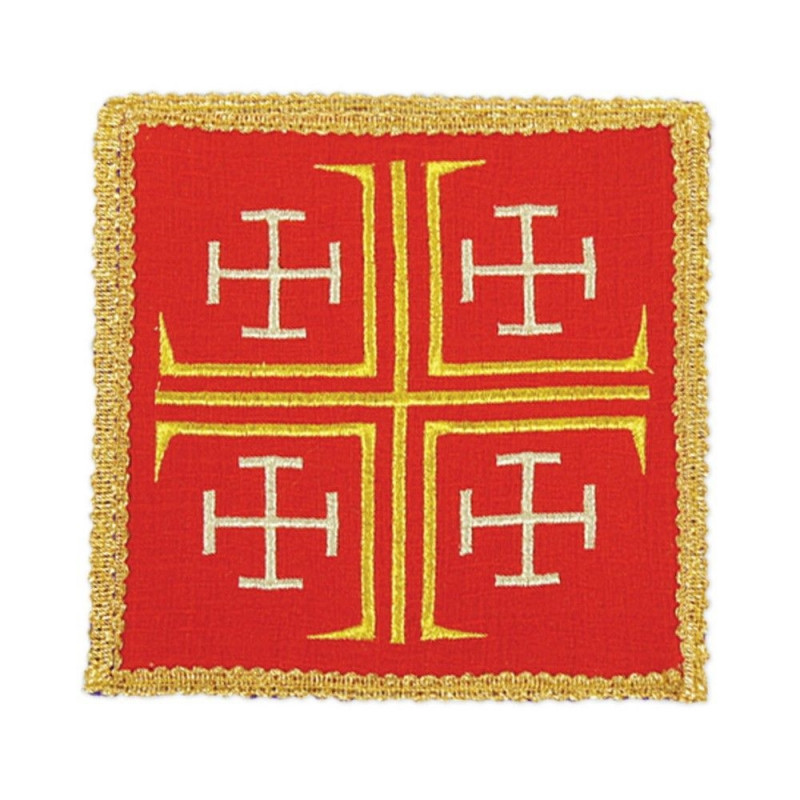
Every pall is built around a stiff insert — traditionally stiffened card, today often a removable plastic or plexiglass insert — covered with fabric. Our palls use linen, cotton and velvet covers, decorated with embroidered crosses, Marian monograms (M), the Jerusalem Cross, the Holy Spirit and floral motifs. Velvet embroidered palls are the most decorative option for solemnities. Choose a single pall or a chalice pall set of 4 or 6 pieces for the sacristy.
What Is a Chalice Pall?
A chalice pall is a small stiffened square, usually a card covered with white linen, placed over the chalice at Mass. It is also called a liturgical pall or palla. It protects the Precious Blood from dust and insects and is usually embroidered with a cross. Standard chalice palls measure about 15 x 15 cm (6 x 6 inches).
What Is the Difference Between a Chalice Pall and a Purificator?
Both are chalice linens, but they serve different purposes. The purificator is a white linen cloth used to wipe the chalice after Communion and during the ablutions. The chalice pall is the stiffened square that covers the chalice during Mass. A complete chalice linen set includes both, together with the corporal.
What Is the Difference Between a Chalice Pall and a Funeral Pall?
A chalice pall is a small square (about 6–7 inches) that covers the chalice during Mass. A funeral pall is a large cloth that covers a casket during a Catholic funeral. They share the name "pall" but are different liturgical items with different sizes and uses. Our collection offers chalice palls for Mass in every liturgical color.
What Size Chalice Pall Do I Need?
Measure the outer rim of your chalice to choose the right pall for the chalice. A standard 15 x 15 cm (6 x 6 inch) pall fits most chalices; for wider bowls choose a 7 x 7 inch (18 x 18 cm) pall. The pall should cover the opening completely and lie flat — it should not tilt or slide when the chalice is carried.
What Color Chalice Pall Should I Use?
Because the pall is made of linen, it is traditionally white. In practice, sacristies often choose a pall in the liturgical color of the day to match the vestments and the chalice veil. We offer chalice palls in white, ecru, red, green, violet, black, rose (pink), gold and blue.
Is a Chalice Pall the Same as a Chalice Cover?
Yes — "chalice pall", "chalice cover" and "communion pall" are used interchangeably for the stiffened square that covers the chalice. A full chalice cover set, however, also includes the chalice veil and the burse for the corporal.
What Is a Pall in the Catholic Church?
In the Catholic Church the word "pall" usually means the chalice pall — the small stiffened square that covers the chalice at Mass. The same word is also used for two other things: the funeral pall, a large cloth that covers a casket at a funeral, and the pallium, the white woolen band worn by an archbishop. At the altar, "pall" without further qualification always means the chalice pall.
What Are the Five Sacred Linens?
The five sacred linens of the Mass are the fair linen (the white cloth that covers the altar), the corporal, the purificator, the chalice pall and the finger towel used at the lavabo. The chalice veil and burse complete the chalice dressing but are counted separately. Our chalice linen sets combine the pall, corporal and purificator in one coordinated set.
Do Chalice Palls Have a Removable Insert?
Yes. Every pall is built around a stiffener — traditionally stiffened card, today often a removable plastic or plexiglass insert — slipped inside the fabric cover. The insert gives the pall its flat, square shape; it can be removed before washing and re-inserted afterwards. A removable insert also lets a sacristy replace a worn cover without buying a new pall.
How Do I Care for a Chalice Pall?
Remove the insert, hand-wash the cover in lukewarm water with a mild detergent, rinse thoroughly and iron while slightly damp. Chalice linens should never be washed with bleach or starched. For the full washing routine — including how to rinse linens that have touched the Precious Blood — see our guide How to Wash Liturgical Linens.
Related reading: What Is a Chalice Pall? Meaning, Sizes, and Use at Mass.
Related Reading
At Benediction the celebrant wears a cope with the humeral veil; see our Catholic copes.
