
What Are Clergy Cloaks?
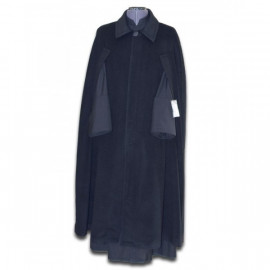
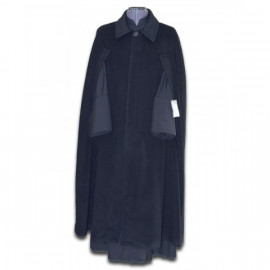
Clergy cloaks (also called ferraiolo or clerical capes) are formal outer garments worn by priests, bishops, and cardinals for formal occasions. The clergy cloak is a full-length cape that fastens at the neck and drapes over the shoulders and back. It is one of the most formal pieces of clerical attire and is typically worn for outdoor ceremonies, processions, and formal events.
The ferraiolo has its origins in Roman civil dress. Over time, it became specifically associated with the clergy and is now part of the formal dress code for ordained ministers. While not commonly worn in everyday ministry, the clergy cloak remains an important part of formal clerical wardrobe.
This is the cape worn by clergy on formal, non-liturgical occasions — the garment also known as a priest cloak, a clerical cloak, or a ferraiolo. The ferraiolo originated as a knee-length garment of Roman nobility and became a church vestment in the 15th century, when its colors were tied to rank in the church hierarchy. Pope Paul VI encouraged clergy to wear it again for formal, non-liturgical occasions.
What Types of Clergy Cloaks Are Available?
Clergy cloaks come in several options based on rank and material:
Black ferraiolo — the standard cloak for priests and deacons. Made of wool or polyester blend, it is worn with the cassock for formal occasions.
Wool clergy cloaks — the traditional choice. Wool is warm, durable, and has a beautiful drape. Wool cloaks are appropriate for outdoor ceremonies and processions in cool weather.
Polyester blend cloaks — more affordable and easier to care for. They resist wrinkles and are lighter than wool. Good for travel and warm-weather formal events.
In our collection you will find two handcrafted models made in Poland: the autumn–winter clergy cloak made of warm fleece, and the autumn–summer clergy cloak made of lightweight crêpe. Both are full-length, fastened with a stand-up collar, and can be ordered with or without a hood. Each cloak is made to your height and collar size.
| Fabric | Season | Hood | Price |
|---|---|---|---|
| Fleece | Autumn–winter, cold-weather ceremonies | With or without hood | $395 |
| Crêpe | Autumn–summer, warm-weather events and travel | With or without hood | $395 |
Traditional ferraioli were also made of wool, faille, or silk depending on the rank of the wearer — cardinals traditionally wear watered silk, while lesser prelates wear wool.
How Do I Choose the Right Clergy Cloak?
- Match your rank. Priests wear black cloaks. Make sure you are getting the correct color for your rank.
- Consider the fabric. Wool is traditional and warm. Polyester blends are lighter and easier to care for.
- Check the length. The cloak should be full-length, reaching the ankles. Make sure it is the right length for your height.
- Look for quality construction. The seams should be even, the lining should be smooth, and the neck fastening should be secure.
- Decide on the hood. Our clergy cloaks can be ordered with or without a hood — choose a hood for cold or rainy weather, or a clean collar line for indoor formal events.
How Do You Care for a Clergy Cloak?
Clergy cloaks should be dry cleaned to maintain their shape and finish. Store them on wide hangers in a garment bag to prevent dust and moth damage. If the cloak gets wet, let it air dry — do not use heat.
What Is a Priest Cloak Called?
A priest cloak is known by several names: clergy cloak, clerical cloak, clerical cape, clergy cape, or ferraiolo cape (also spelled ferraiuolo or ferraiolone). A priest's cloak is sometimes simply called a catholic cloak, a religious cloak, a church cloak, a catholic priest cloak, or a catholic priest cape, because it is the cape worn by clergy over the cassock. The same garment is also described as a priestly cloak. Whatever the name, it always describes the same garment: a full-length, non-liturgical cape worn for formal occasions outside the liturgy.
What Is the Difference Between a Ferraiolo, a Cope, and a Pellegrina?
These three garments are often confused, but they are different:
- Ferraiolo (clergy cloak) — a full-length cloak that extends to the ankles, tied in a bow with narrow strips of cloth at the front, with no trim or piping. It is worn on formal, non-liturgical occasions, over the cassock.
- Cope — a liturgical mantle, open at the front and fastened at the breast with a band or clasp. It is worn during services and may be of any liturgical color.
- Pellegrina — an elbow-length shoulder cape worn by some Catholic ecclesiastics; a shorter alternative to the full-length cloak.
- Cappa magna — a voluminous cloak with a long train, worn by higher prelates on the most solemn occasions.
If you need a cape for outdoor ceremonies, processions, or travel, you are looking for a ferraiolo or a clergy cloak — not a cope, which belongs to the liturgy.
Do Clergy Cloaks Have a Hood?
The traditional Roman ferraiolo does not have a hood — it is tied at the neck with narrow ribbons. Practical clergy cloaks, however, are often made with a hood for cold and rainy weather. Our clergy cloaks are available in two versions: with or without a hood. A hooded clergy cloak is a good choice for winter processions and outdoor ministry, while the version without a hood has a clean, formal collar line for indoor events.
How Do I Measure for a Clergy Cloak?
Our clergy cloaks are tailored to the wearer. When ordering, provide:
- Your height — available sizes: 164 cm (64.6 in), 170 cm (66.9 in), 176 cm (69.3 in), 182 cm (71.7 in), and 188 cm (74 in).
- Your collar number — the cloak fastens with a stand-up collar, so the collar size decides how it sits at the neck.
- With or without a hood — both models can be made either way.
There is no separate back length to measure: the length follows your height, so the cloak reaches the ankles as a ferraiolo should.
What Is the Difference Between a Priest Cloak and a Priest Cape?
Whether you search for a priest cloak, a priest cape, or a priest cloak cape, you are looking for the same garment — a cape-like outer layer worn by clergy. In practice, "cloak" usually describes the full-length version that reaches the ankles, while "cape" can describe either the full-length cloak or a shorter shoulder cape. A short priest capelet or shoulder cape ends at the elbow; the classic example is the pellegrina. Our collection offers the full-length priest cloak and priest cape in one garment, so it works for both formal ceremonies and everyday ministry.
What Color Cloak Does a Bishop Wear?
The color of a clergy cloak follows the rank of the wearer:
- Black — secular priests and deacons; the classic black cape and black cloak for formal occasions.
- Violet — protonotaries apostolic and bishops (the bishop's cloak or bishops' cloak, also called the ferraiolone).
- Scarlet — cardinals, traditionally in watered silk.
Before 1969, members of religious orders could wear a ferraiolo matching the color of their habit. In practice, most priests cloak the cassock with the black model for formal outdoor occasions, while bishops and cardinals wear violet and scarlet. Our black clergy cloaks are made for priests and deacons; for a bishop's cloak or a cardinal's cloak, contact us about a made-to-order color.
Browse Our Clergy Cloak Collection
View our selection of clergy cloaks in black for priests and deacons, including the autumn-winter clergy cloak made of warm fleece and the clergy cloak for autumn and summer made of lightweight crêpe. Each priest cloak is made to your height and collar size, with or without a hood. We also offer clergy shirts, birettas, and collars.
