








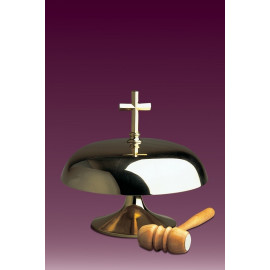
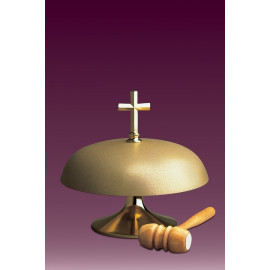
What Are Altar Bells and Church Gongs?
Altar bells and church gongs are among the most important liturgical vessels used in Catholic worship. These sacred instruments serve to draw the faithful's attention to the most solemn moments of the Mass, particularly during the consecration when bread and wine become the Body and Blood of Christ.
Our collection features hand-cast brass altar bells and gongs crafted by skilled artisans using traditional methods passed down through generations. Each piece is made from high-quality brass alloy, ensuring exceptional durability and a rich, resonant tone that fills the sanctuary.
Types of Altar Bells We Offer
Altar bells are available in several configurations to meet the needs of different parishes and liturgical traditions:
- Single altar bells — ideal for smaller chapels and personal use
- Double bells (2-tone) — producing two distinct notes for varied liturgical signals
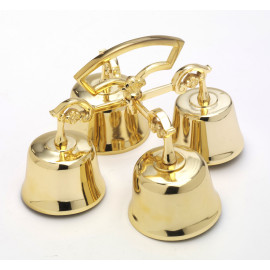
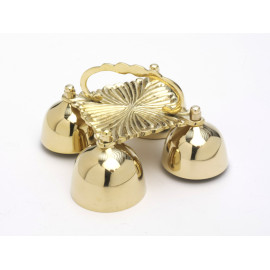
- Triple bells (3-tone) — the most common configuration for parish churches
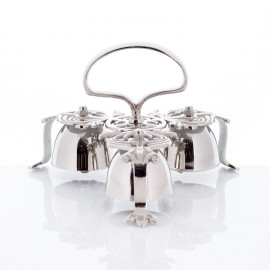
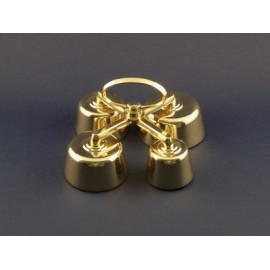
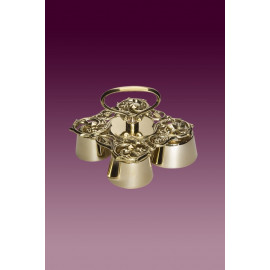
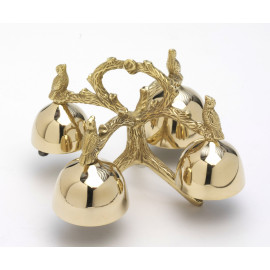
- Quadruple bells (4-tone) — offering the fullest range of liturgical music
Materials and Finishes
Our altar bells are crafted from cast brass, available in two primary finishes:
- Gold brass — the traditional warm golden finish, most popular for parish use
- Nickel silver — a bright, silvery appearance favored for modern church interiors
Both finishes are highly resistant to tarnishing and require minimal maintenance to retain their beauty for decades.
Communion Bells and Their Liturgical Role
Communion bells are characterized by their deep, strong, and beautiful sound. They are rung during specific moments of the Mass:
- Before the consecration to signal the approaching miracle of transubstantiation
- During the elevation of the Host and Chalice
- After the consecration as a moment of adoration
The sound of communion bells is meant to elevate the spirit and focus the congregation's attention on the altar.
Church Gongs
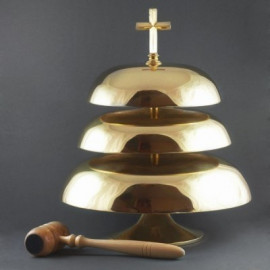
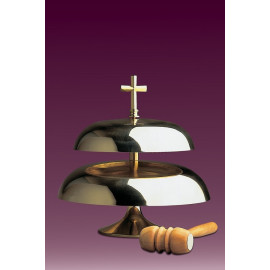
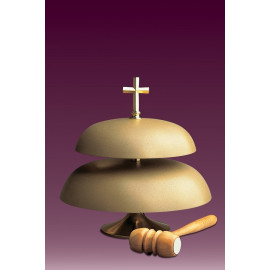
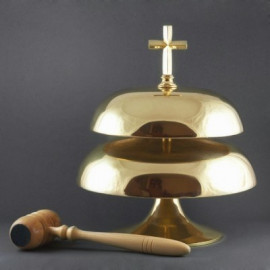
Church gongs complement altar bells and provide a deeper, more resonant tone. They are often used in larger sanctuaries and cathedrals where a single bell may not carry sufficiently. Our gongs are hand-forged from the same quality brass as our bells, ensuring tonal harmony when used together.
Why Choose Our Altar Bells?
- Hand-cast brass construction for superior sound quality
- Available in 2, 3, and 4-tone configurations
- Traditional craftsmanship with modern quality standards
- Durable finish that resists tarnishing
- Beautiful, resonant tone suitable for any size sanctuary
- Perfect for parishes, cathedrals, chapels, and personal devotion
Care and Maintenance
Brass altar bells require minimal care. Simply polish occasionally with a soft cloth and mild brass polish to maintain their luster. Store in a dry place when not in use to prevent moisture damage.
How Much Do Altar Bells and Church Gongs Cost?
Catholic altar bells at Best Catholic Shop start at $161 for a polished brass hand bell with a wooden handle and range up to $488 for baroque four-tone sets. Church gongs start at $484 for an 18 cm one-tone gong and go up to $1,896 for the largest three-tone sets. The price depends on the number of tones, the diameter, and the finish — gold brass or nickel silver. Note: this page covers hand-held altar bells and church gongs for use inside the church — not tower church bells, which are installed in steeples and priced quite differently.
Is an Altar Bell the Same as a Sanctus Bell?
Yes — sanctus bell, sacring bell, mass bell and saints' bell are all traditional names for the same instrument: a small hand-held altar bell or a set of bells on a wooden handle. In the Roman Rite the bell is rung during the Eucharistic consecration as a "joyful noise to the Lord," giving thanks for the miracle taking place on the altar. Whether your sacristy list says altar bell, sanctus bell or mass bell, it is the same instrument — one of the liturgical bells rung at Mass.
What Is the Difference Between an Altar Bell and a Church Gong?
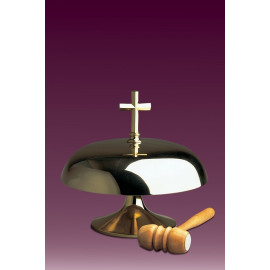
A gong is a percussion instrument: it is struck from the outside with a wooden mallet and produces a deep, long-sustaining tone. An altar bell rings when its internal clapper strikes the bell wall. Because a gong is struck with a mallet, it needs no moving parts and never rattles — which is why sacristans in large churches choose a church gong when a single hand bell would not carry through the sanctuary. Both are hand-cast from solid brass, so a gong and a set of altar bells sound in tonal harmony when used together.
Why Do Parishes Use Gongs Instead of Bells?
Larger sanctuaries and cathedrals often prefer a church gong — sometimes called an altar gong — because its deeper, more resonant tone carries farther than a hand bell. One-tone gongs (18–32 cm) serve smaller churches, while two- and three-tone gongs (up to 33 cm) give larger parishes the fuller sound expected on solemnities. Many parishes use both: bells at the consecration and a gong for processions and adoration.
How Many Tones Should an Altar Bell Set Have?
Two tones suit small chapels, three tones are the most common configuration for parish churches, and four tones give the fullest range for cathedrals and solemn liturgies. A single hand bell is enough for private Masses, home chapels and travel kits. If you are unsure, start with a three-tone set — it covers the widest range of liturgical uses.
Related Guides
Read more in our guides to the types of altar bells and their uses in Catholic worship and the meaning behind the altar bells at the consecration. You can also browse sanctuary bells for Mass or shop the full range of altar bells and church gongs.
