
What Is Liturgical Incense?
Liturgical incense is a fragrant resin burned during Catholic worship as a sign of prayer rising to God, an image taken from Psalm 141:2: "Let my prayer be set forth in thy sight as the incense." It is also a mark of reverence shown to the Blessed Sacrament, the altar, the Gospel book and the faithful. Incense is burned in a thurible — the metal censer suspended on chains — most often at Solemn Mass, Benediction, processions, funerals and blessings.
Types of Catholic Incense: Greek, Resin & Cones
The 89 products in this category fall into a few families, distinguished by how they are made and burned:
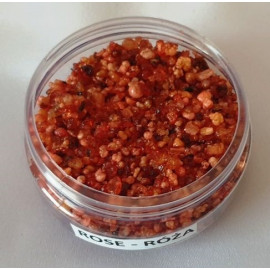
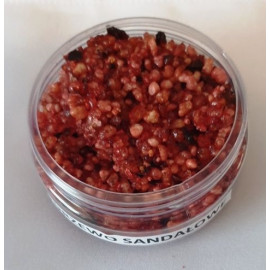
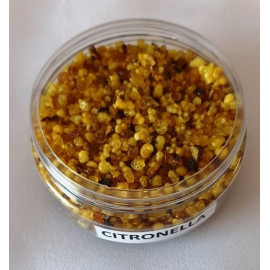
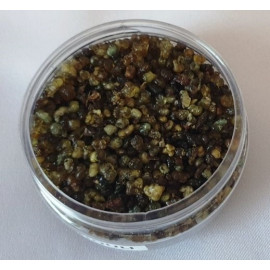
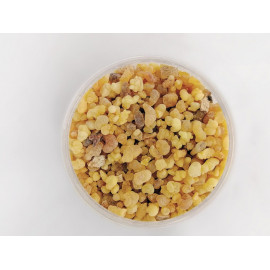
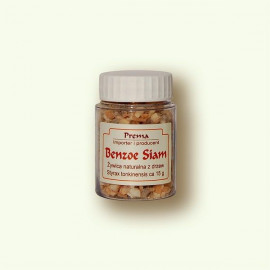
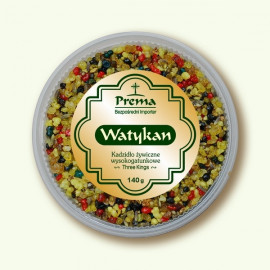
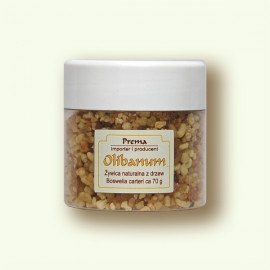
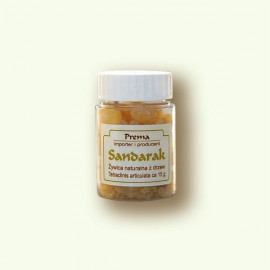
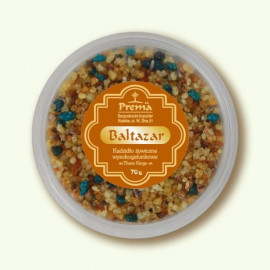
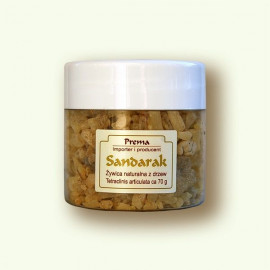
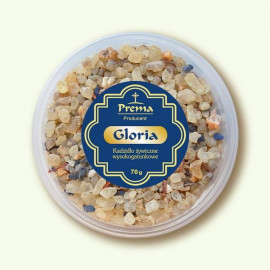
- Resin incense (29 products) — raw gum resins such as frankincense (olibanum), myrrh, copal and sandarak, burned on charcoal.
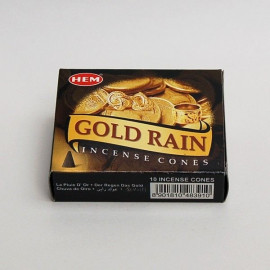
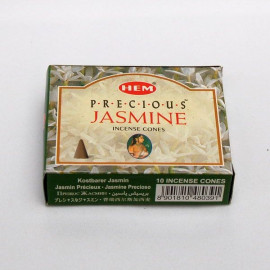
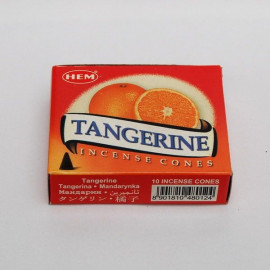
- Incense cones (13 products) — pre-formed cones that burn directly, convenient for home prayer and small chapels.
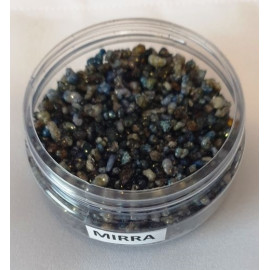
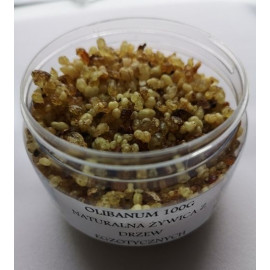
- Frankincense (olibanum) & myrrh — the two resins named in Scripture; we carry natural olibanum in 20 g to 100 g and myrrh from 20 g to 70 g.
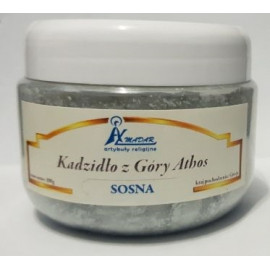
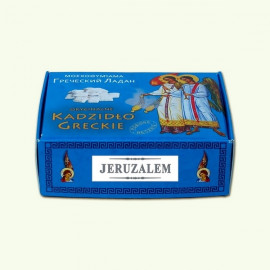
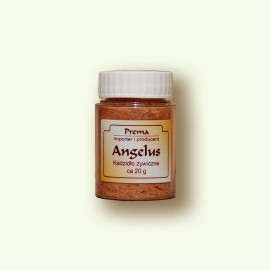
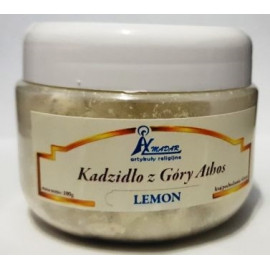
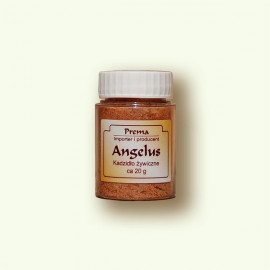
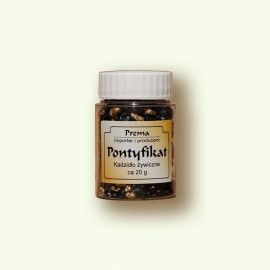
Greek incense (21 products) — blends such as Jerusalem, Bethlehem, Pontificate and Angelus; descriptions state that several are made by hand according to the recipe of the monks of Mount Athos, and sold in 20 g to 100 g packs.
Pack weights in this category run from 10 g to 140 g, and prices from $4.00 to $17.00.
How to Burn Incense: Charcoal & Thurible
Loose, powder and resin incense do not burn on their own — as the product descriptions state, they "should be placed on hot charcoal" and "release the smell and smoke immediately after being poured on the charcoal." The charcoal is set in the thurible, allowed to glow, and the incense is spooned on top so that it smoulders and releases fragrant smoke. For handling hot discs, we stock dedicated charcoal pliers (Charcoal pliers — $10.00).
The censer itself — the thurible with its boat and spoon — is a separate item; browse our full thurible, boat & spoon range to match it with this incense.
Where Incense Is Used in the Liturgy
Incense is used at the celebration of the Eucharist, at Solemn Mass, at Benediction and exposition of the Blessed Sacrament, in processions, at funerals and at blessings. The thurifer brings the censer charged with burning charcoal, takes the incense from the boat and spoons it onto the coals; the thurible is then swung toward the altar, the Gospel book, the gifts or the congregation. How to Use a Thurible During Mass explains the steps, and The History of Incense in Catholic Worship traces how the practice came from the Temple to the altar.
How Much Does Incense Cost?
Incense in this category starts at $4.00 for a 10-cone pack and reaches $17.00 for a 140 g pack of high-quality resin incense; 41 of the 89 products cost under $10, so a parish or a home altar can be stocked economically.
What Scent Is Catholic Incense?
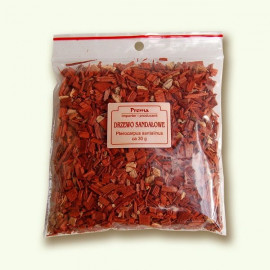
The classic Catholic scents are frankincense (olibanum) and myrrh, often blended with other resins. We carry natural olibanum and myrrh alongside blended Greek and resin incense in scents such as rose, jasmine, lavender, pine, sandalwood and cinnamon.
Do I Need Charcoal to Burn Incense?
For resin, powder and loose incense — yes; our product descriptions state that they should be placed on hot charcoal, while pressed cones are designed to light and burn by themselves. Always handle the hot disc with charcoal pliers, and place it in a heat-proof censer. For prayer at home, browse our home incense burners.
What Is the Catholic Incense Burner Called?
The metal vessel used to burn incense in church is called a thurible or censer; it is suspended on chains and swung during the liturgy. The small container that holds the loose incense before it is spooned on is the incense boat.
Is Greek Incense Different from Roman Incense?
Greek incense is the aromatic blend produced by Greek monasteries and sold under names such as Jerusalem, Bethlehem, Pontificate or Angelus — we carry 21 Greek blends in 20 g to 100 g packs. Roman-style incense is generally a resin blend; both are burned on charcoal. The choice is a matter of fragrance, not of rite.
How Long Does Incense Last?
Unopened resin and loose incense keep their fragrance for a long time when stored in a cool, dry place away from sunlight; pressed cones and 10-cone packs are best used within their stated pack, and our range runs from 10 g to 140 g so you can match the amount to how often you burn it.
Can I Burn Incense at Home?
Yes. For a home altar, pressed incense cones (13 products) are designed to burn without charcoal, while resin is placed on hot charcoal in a heat-proof censer. Keep the censer on a non-flammable surface and ventilate the room.
Which Incense Is Used at Mass?
At Mass the incense burned is typically frankincense (olibanum), often blended with other resins; it is placed on charcoal in the thurible and used to cense the altar, the Gospel, the gifts and the people. See How to Use a Thurible During Mass for the order of the censing.
Caring for Incense and Keeping It Fresh
Store resin and loose incense in a cool, dry place, away from direct sunlight, so the aromatic oils are preserved. The censer should be cleaned of resin residue regularly so that it burns evenly; see How to Clean and Maintain a Thurible for a step-by-step cleaning method.
Incense and the sanctuary lamp belong to the same language of worship: one rises as prayer, the other burns as a sign of the Real Presence.
