
What Is an Aspergillum?
An aspergillum — also called an aspergil, aspergilium, asperger, or simply a holy water sprinkler — is a Christian liturgical implement used to sprinkle holy water. The word is derived from the Latin verb aspergere, meaning "to sprinkle on," which also gives the name of the short sprinkling rite, the Asperges. The name is pronounced ass-per-JIL-um (/ˌæspərˈdʒɪləm/); the plural is aspergilla. The aspergillum is used chiefly in the Roman Catholic, Anglican, Orthodox, and other high-church traditions. It works alongside a vessel that holds the water: an aspersorium, a holy water bucket, or a plain holy water pot. A sprinkler is distinct from a holy water font — the font stays fixed at the church entrance, while the aspergillum is carried by the priest as he walks through the church sprinkling the faithful.
The Three Forms of an Aspergillum
Historically the aspergillum takes one of three forms, and all three are still used today:
- A hyssop branch — a fresh sprig of hyssop, the earliest form and the one referenced in the Psalms ("Purge me with hyssop, and I shall be clean"). It is dipped into the water and shaken over the people.
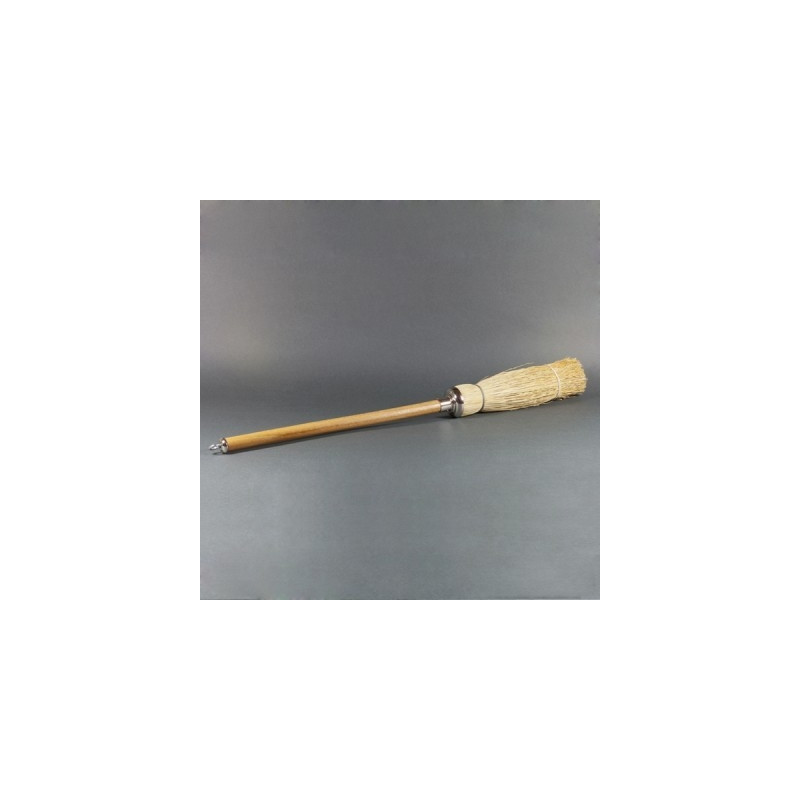
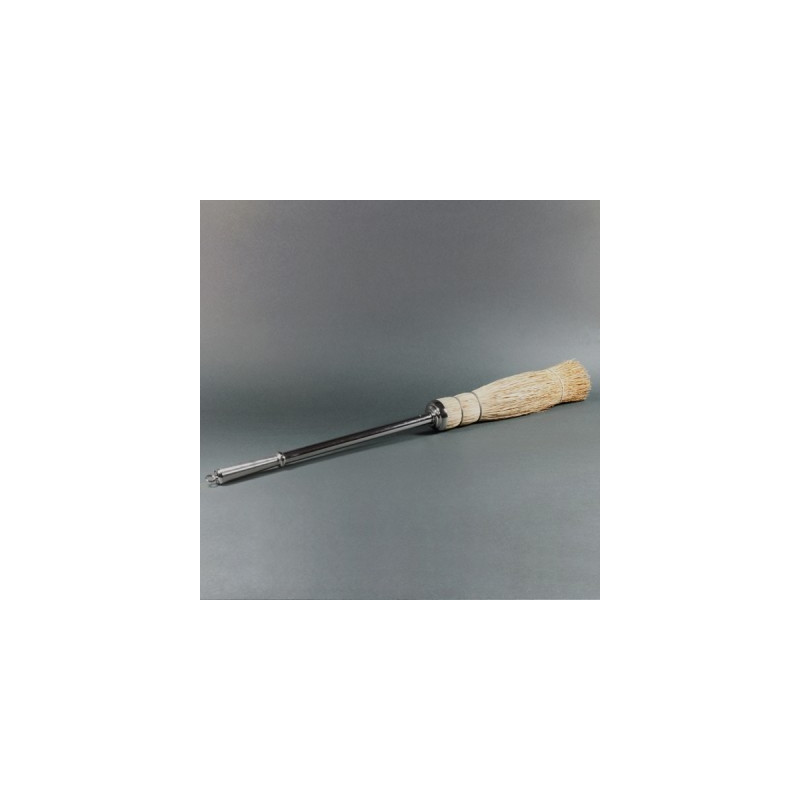
- A brush-style aspergillum — a bundle of natural bristles (boar bristle, horsehair, or rice fiber) set into a metal, wooden, or bone handle. The bristles absorb water and release it when the instrument is shaken. It is the most common form in Catholic churches.
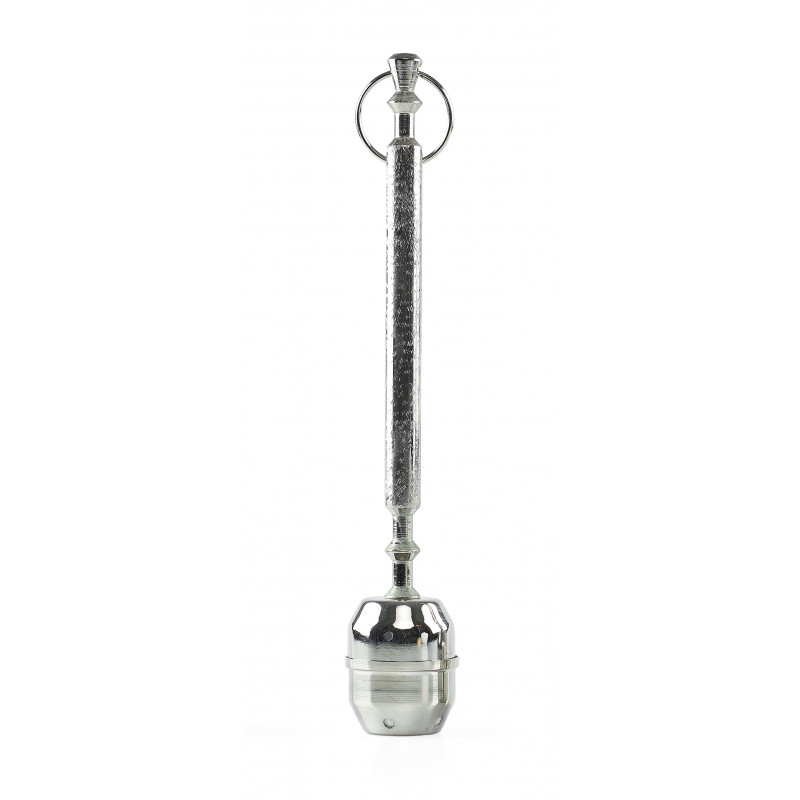
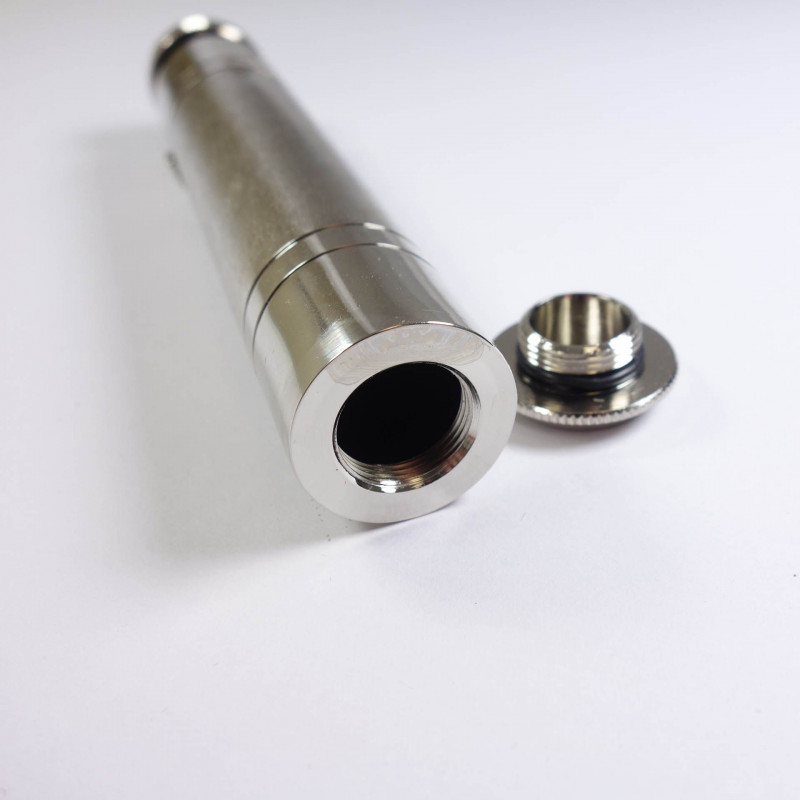
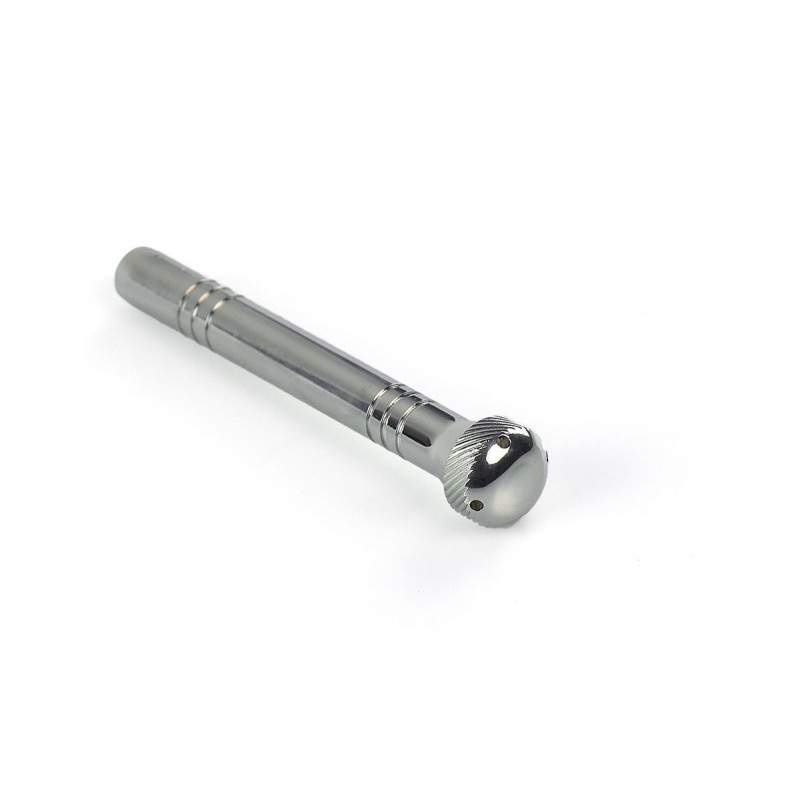
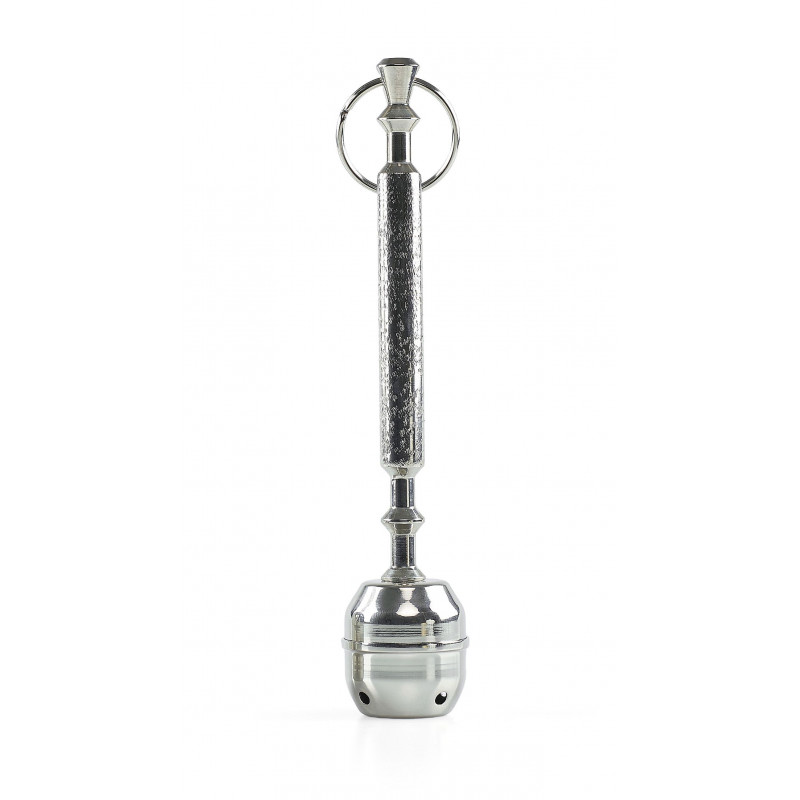
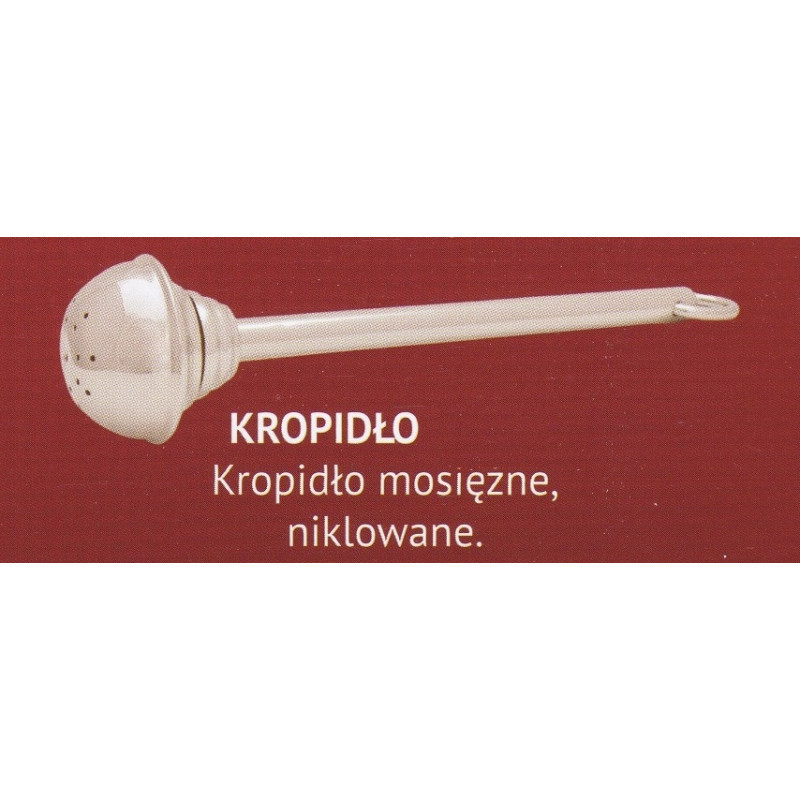
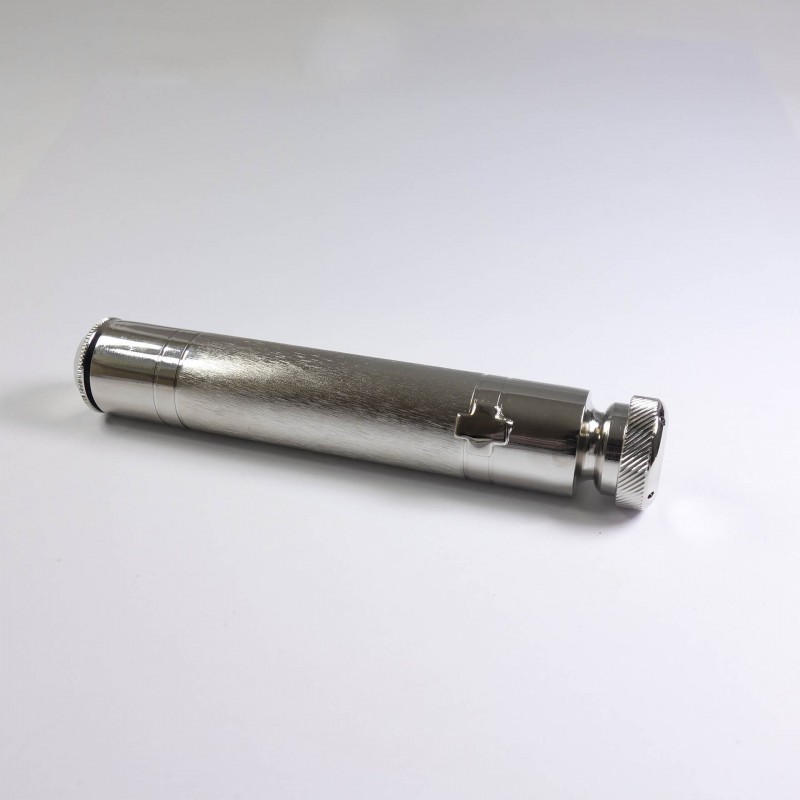
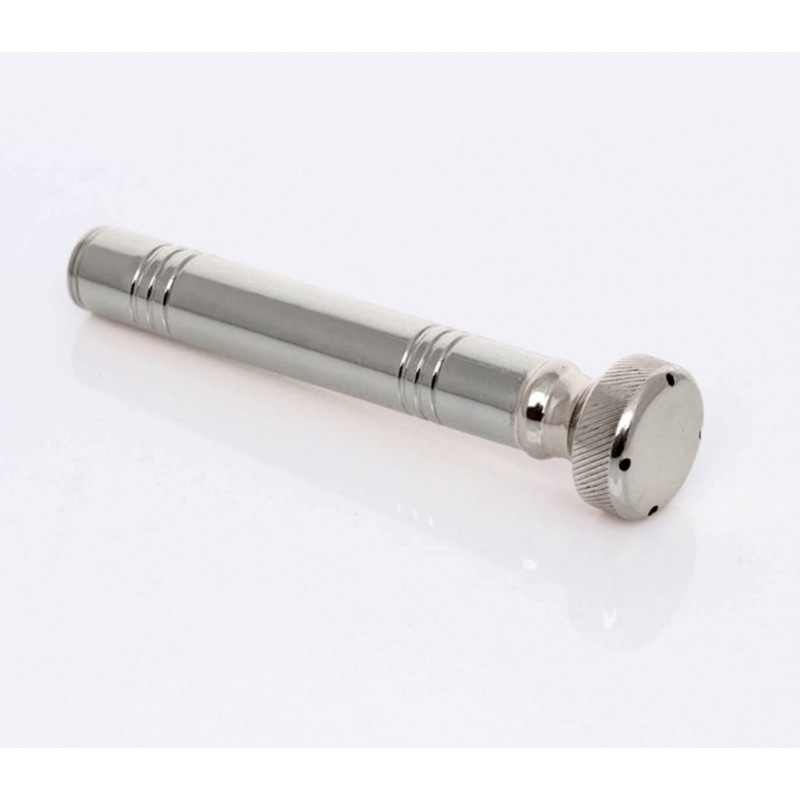
- A perforated ball aspergillum — a hollow, mace-like metal ball pierced with small holes, mounted on a handle. Holy water enters through the holes; when the instrument is shaken the water sprays out. Often a small sponge or internal reservoir inside the ball holds the water.
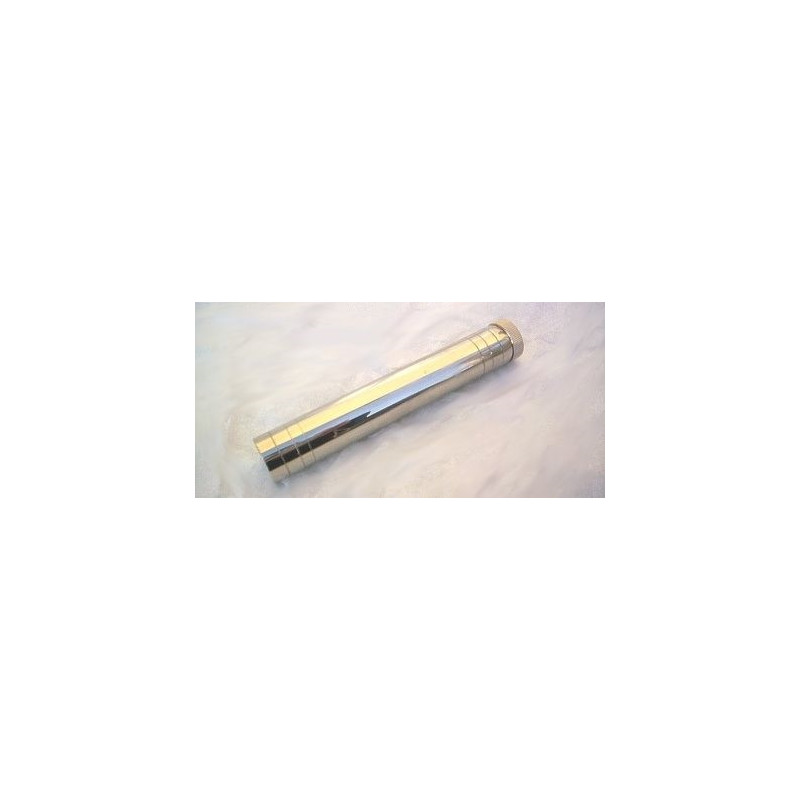
Our range covers each style: bristle sprinklers with brass, nickel-plated, or wooden handles, perforated-ball "metal sprinklers with head" in two lengths, and nickel-plated priests' sprinklers with a sponge reservoir.
Materials and Craftsmanship
Every sprinkler in this category is handmade in Poland by specialist liturgical-metal workshops, in the same tradition that produces our chalices, ciboria, and censers. The metal bodies are cast and turned from solid brass and then finished either polished (gold-tone), nickel-plated (silver-tone), or silver-plated. Handles are made in brass, wood, or nickel-plated brass; heads use natural bristles or rice fiber. Because the finish is real metal rather than a coating, a brass aspergillum keeps its warm gold color, while a nickel-plated sprinkler gives the bright silver look preferred for silver-vestment sets. The bristles are replaceable and can be trimmed back into shape when they splay.
The Rite of Asperges and the Aspersorium
The best-known use of the aspergillum is the Rite of Asperges (from the Latin Asperges me, Domine, hyssopo), the sprinkling of the congregation with holy water that traditionally takes place before the principal Sunday Mass and during the Easter season. The priest, wearing a cope or a vestment, carries the aspergillum in one hand and the aspersorium (a holy water pot or bucket) in the other, and walks through the church sprinkling the people as the choir sings the Asperges me. The same instrument is used at the Easter Vigil, at the blessing of homes, in processions, at funerals and the blessing of graves, and — in the smaller "funeral sprinkler" sizes — at the graveside. Some aspersoria are fitted with a removable insert so the same pot can hold both the water and the sprinkler between uses.
How to Use and Care for a Sprinkler
To use an aspergillum, dip the head into the holy water in the aspersorium, then lift it and shake it gently toward the people or the object being blessed; the water droplets fall from the bristles or the perforated ball. For a brush-style sprinkler, dip only the bristles — never submerge the handle. After use, shake out the excess water, blot the bristles on a clean cloth, and store the sprinkler in the aspersorium or in a dry cabinet. Never store it wet in a closed metal box, as trapped moisture dulls the finish. To keep the metal bright, wipe brass and nickel-plated surfaces with a soft cloth; on nickel-plated silver-tone sprinklers a light silver-polish is enough and abrasive cleaners should be avoided so the plating is not rubbed through.
Choosing the Right Size and Style
Sprinkler size is measured by the overall length. The smallest, a 9 cm funeral sprinkler ($60), is a compact piece meant for graveside use and the blessing of homes. The mid sizes — a 12 cm and 17 cm sprinkler ($80–$121) — are the everyday parish sizes and fit most hands and aspersoria. The largest, a 20.5 cm or 26 cm metal sprinkler with head ($121–$141), gives the widest reach and suits a large church, a cathedral, or a bishop's blessing. For a matched sacristy set, choose a brass sprinkler with a brass holy water pot, or a nickel-plated sprinkler with a silver-plated pot. If the set is for a gift, the holy water pot and sprinkler combination is the most complete choice.
How Much Does an Aspergillum Cost?
Prices in this category run from $60 for a 9 cm funeral sprinkler up to $242 for the largest nickel-plated sprinkler with a turned brass handle. The price reflects the material, the size, and the finish: a plain brass or nickel-plated sprinkler in the 12–17 cm range sits between $80 and $121, a rice-fiber or 26 cm metal sprinkler with head between $141 and $195, and the largest nickel-plated pieces at the top of the range. All ten sprinklers here ship free within the United States on orders over $100. Because the price varies with size and finish, each product card lists the exact price of that model.
Aspergillum in the Orthodox Tradition
Eastern Orthodox churches — Greek, Russian, Serbian, Romanian, Bulgarian, and Polish Orthodox alike — use the aspergillum much as the Latin Church does; in Polish it is called kropidło, from kropić, "to sprinkle." It is used above all at the Great Blessing of the Waters on Theophany (the Orthodox celebration of the Lord’s Baptism, January 6), when water is blessed in the church and at the nearest river or sea and the faithful and their homes are sprinkled with it. Orthodox practice also sprinkles the congregation on the first day of each month and uses the sprinkler at house blessings after Theophany and in processions with icons. The three traditional forms — hyssop, brush, and perforated ball — are all found in Orthodox use, and many Orthodox sprinklers carry ornate silver or gold heads, often matched to the aspersorium.
Blessing a Home with Holy Water
The aspergillum’s most familiar household use is the blessing of homes. Families keep a small sprinkler — the 9 cm size is made for exactly this — together with a pot of holy water, and use it when moving into a new home, at Epiphany (in Poland the priest’s annual kolęda visit is part of the same tradition), during the Easter season, and whenever a household asks for God’s protection. A layperson may sprinkle the rooms with holy water while praying; the Church’s formal blessing of homes is simply the solemn form of this practice. We explain the prayers and the step-by-step in our guide to blessing your home with holy water, and our holy water pots and fonts complete the set for the home entrance.
Is an aspergillum the same as a holy water sprinkler?
Yes. "Aspergillum" and "holy water sprinkler" name the same instrument; aspergil, aspergilium, and asperger are older variants of the same word. The vessel the water is carried in is a separate item, the aspersorium or holy water pot.
What is a Catholic aspergillum used for?
In Catholic use the aspergillum sprinkles holy water over the congregation, the altar, and objects during the Rite of Asperges before Sunday Mass, at the Easter Vigil, in processions, and for the blessing of homes, religious articles, and graves.
How do you use a holy water sprinkler?
Dip the head of the sprinkler into the holy water in the aspersorium, lift it, and shake it gently so the water falls as drops over the people or object. Dip only the bristles or ball, shake off the excess, and let the sprinkler dry before storing it.
Can I sprinkle holy water on myself?
Yes. When no priest is present, a layperson may use a small sprinkler or their fingers to take holy water and bless themselves, or to sprinkle a home and its rooms while praying; the sign of the cross with holy water is itself a blessing.
What prayer is said when sprinkling holy water?
The traditional prayer is the Asperges me ("Purge me with hyssop, O Lord, and I shall be clean"), sung or said during the sprinkling. For blessing a home, the usual form is the blessing of the house with holy water and the prayer of the household.
What is a holy water sprinkler called in Latin?
The Latin name is aspergillum (plural aspergilla), from aspergere, "to sprinkle." The related vessel is the aspersorium, and the sprinkling rite itself is the Asperges.
Where can I buy an aspergillum?
You can buy a handmade aspergillum directly from Best Catholic Shop — the ten models above, made in Poland, are in stock and ship from the United States. See also our holy water pots and holy water fonts for a matched set.
What is a holy water bucket called?
The vessel that holds the water for sprinkling is called an aspersorium — or simply a holy water pot or bucket. It is not the same thing as the aspergillum (the sprinkler itself) or the fixed holy water font at the church entrance. See our holy water pots and aspersoria for matching vessels.
How do you pronounce aspergillum?
The name is pronounced ass-per-JIL-um (/ˌæspərˈdʒɪləm/). The plural is aspergilla. The word comes from the Latin aspergere, "to sprinkle," and shares its root with the Asperges and the aspersorium.
What does sprinkling holy water do?
Sprinkling with holy water is a sacramental of the Church: it recalls the water of Baptism, asks God’s blessing on people and objects, and is traditionally associated with protection from evil. It is not a sacrament, but a visible sign of the Church’s prayer that disposes the faithful to grace.
Can you buy holy water?
Holy water itself is never sold — it is blessed by a priest and available freely at any Catholic church; you simply bring a clean container. What is bought and sold is the vessel: the aspergillum, the aspersorium, or a font. Ask your parish for holy water, and use your own sprinkler to carry the blessing home.
Is an aspergillum a brush?
One of the three traditional forms is a brush-style aspergillum — natural bristles set in a metal or wooden handle — and it is the most common form in Catholic parishes. The other two forms are the hyssop branch and the perforated metal ball; all three are described above.
What is the Vidi Aquam?
The Vidi Aquam ("I saw water flowing") is the antiphon sung during the sprinkling rite in the Easter season, replacing the Asperges me. Its text recalls the water flowing from the temple in Ezekiel’s vision, and the priest sprinkles the congregation with water blessed at the Easter Vigil.
Explore Holy Water & Blessing Items
An aspergillum is one part of a complete holy water set. Pair it with a holy water pot (aspersorium) to carry the water, place a holy water font at the church or home entrance, and read our guide to what an aspergillum is and how to choose a holy water font. For other instruments of blessing at Mass, browse our thuribles, boats, and spoons and incense burners.
The sprinkler also travels: our travel Mass kits and sick call sets include a metal sprinkler for blessings at the bedside.
