


What Are Liturgical Veils?
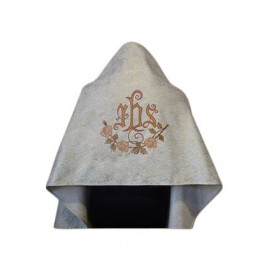
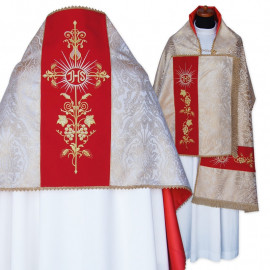
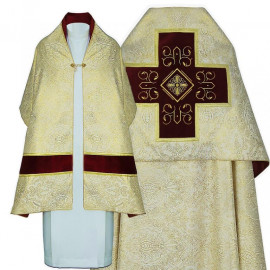
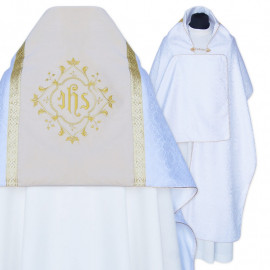
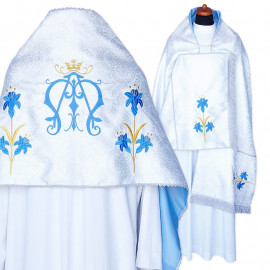
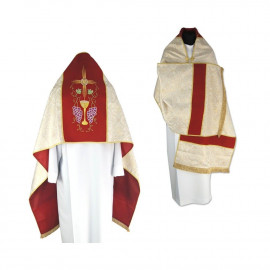
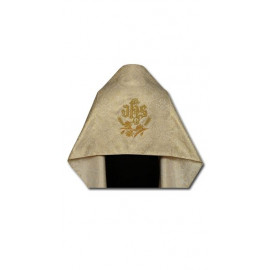
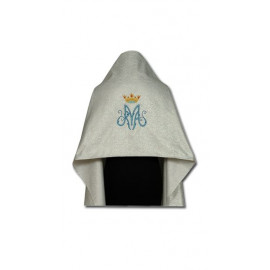
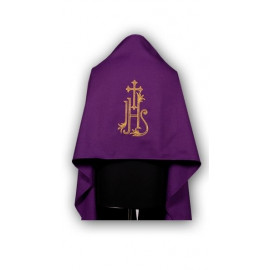
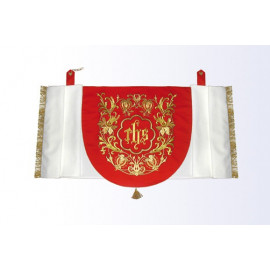
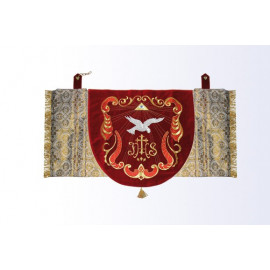
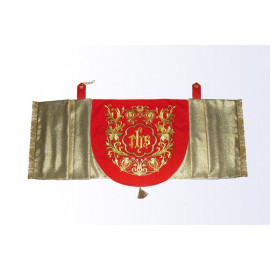
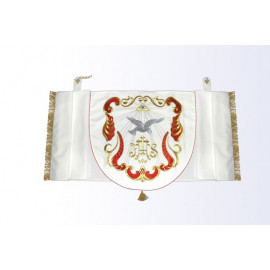
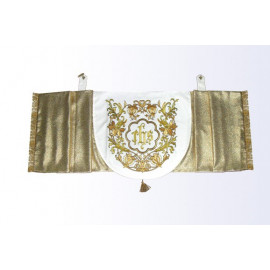
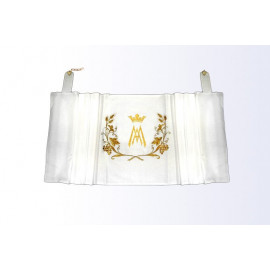
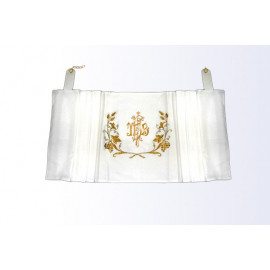
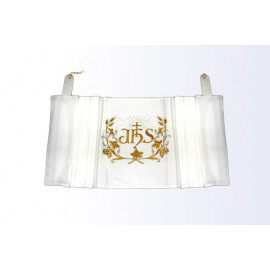
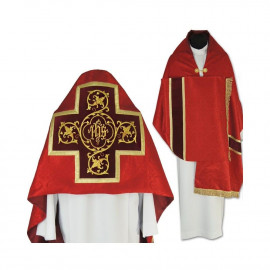
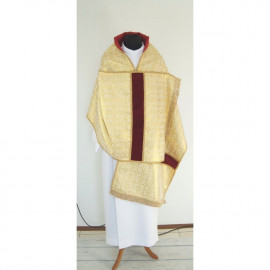
Liturgical veils are sacred vestments used by priests during specific liturgical ceremonies. The most well-known is the humeral veil, which the priest wears when blessing the faithful with the Blessed Sacrament or when carrying the monstrance during Benediction and Corpus Christi processions.
Types of Liturgical Veils
- Humeral veils — worn over the shoulders when handling the monstrance or ciborium
- Chalice veils — cover the chalice when not in use during Mass
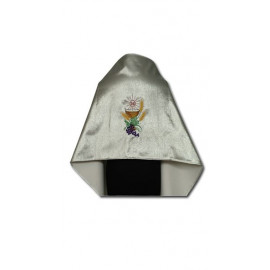
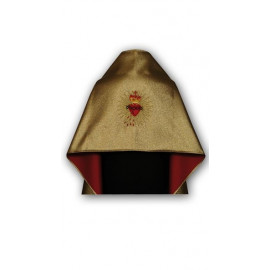
- Monstrance veils — decorative covers for the monstrance when reserved in the tabernacle
- Ciborium veils — protect the ciborium containing consecrated hosts
Liturgical Colors
Veils are made in the standard liturgical colors to match the church year:
- White/Gold — Christmas, Easter, feasts of the Lord and saints who were not martyrs
- Red — Pentecost, feasts of martyrs, Good Friday
- Green — Ordinary Time
- Violet/Purple — Advent, Lent, Reconciliation services
- Rose — Gaudete Sunday (3rd of Advent) and Laetare Sunday (4th of Lent)
- Black — Requiem Masses (where permitted)
Materials and Embroidery
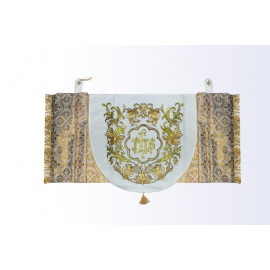
Our veils are crafted from fine liturgical fabrics — silk, brocade, and damask — with hand-embroidered crosses, IHS monograms, and other sacred symbols. Each piece is designed to complement the corresponding chasuble or cope.
Why Quality Veils Matter
The veil serves as a visible sign of reverence for the sacred vessels and the Blessed Sacrament. A well-made veil not only fulfills its liturgical function but also enhances the beauty and solemnity of the ceremony.
During Benediction and Eucharistic processions, the humeral veil is used at the same time as the processional canopy (baldachin) that shelters the Blessed Sacrament.
Related Reading
At Benediction the celebrant wears a cope together with the humeral veil. Our cope collection includes 126 designs in every liturgical color.