
What Are Embroidered Ciborium Veils?
Embroidered ciborium veils are liturgical coverings placed over the ciborium when it is reserved in the tabernacle. They serve both a practical and symbolic purpose — protecting the sacred vessel from dust and showing reverence for the Blessed Sacrament contained within the ciborium.
These veils are part of the broader tradition of covering sacred vessels with linen or silk. You will find similar veils for chalices, monstrances, and other altar items. The ciborium veil is specifically sized and shaped to fit over a ciborium, providing complete coverage while adding beauty to the tabernacle interior.
Every parish that reserves the Blessed Sacrament should have ciborium veils. They are a small investment that adds reverence and protection to your sacred vessels.
What Types of Ciborium Veils Are Available?
Ciborium veils vary by material, decoration, and liturgical color:
Linen ciborium veils — the traditional choice. Simple, elegant, and easy to clean. Good for daily use and weekday Mass. Linen veils are breathable and do not trap moisture, which helps protect the ciborium.
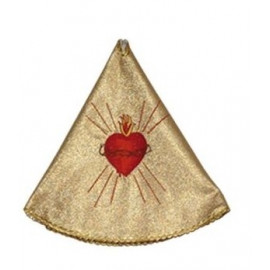
Silk ciborium veils — more ornate and decorative. Often used for Sunday Mass or special occasions. Silk veils have a beautiful drape and luster that adds to the reverence of the tabernacle.
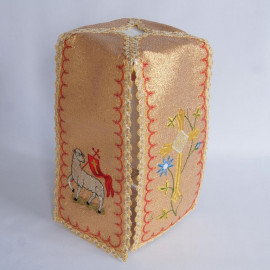
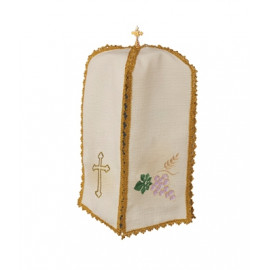
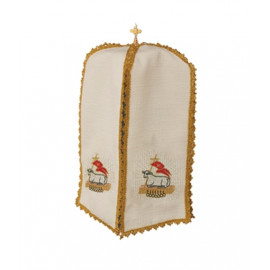
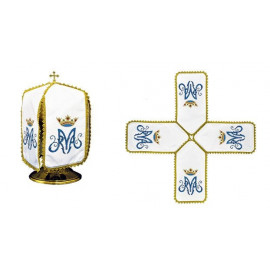
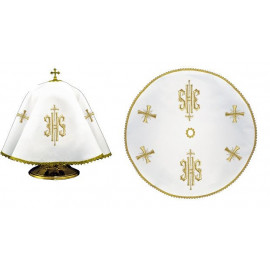
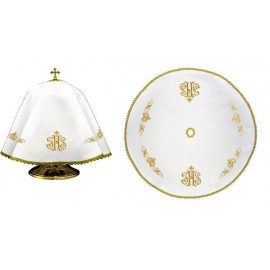
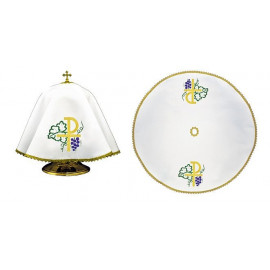
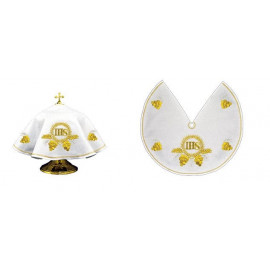
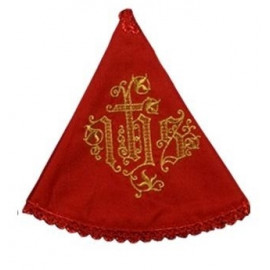
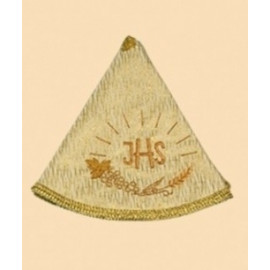
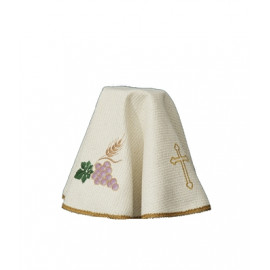
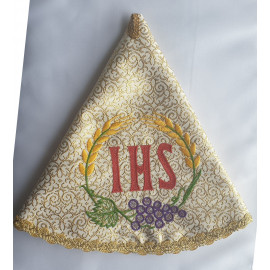
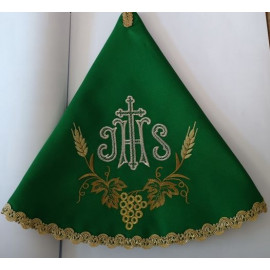
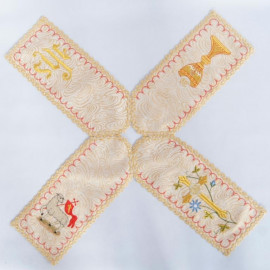
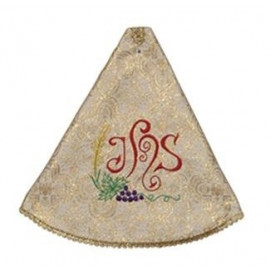
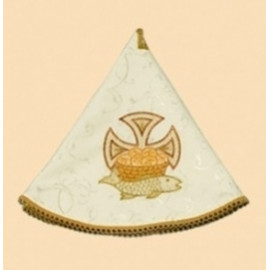
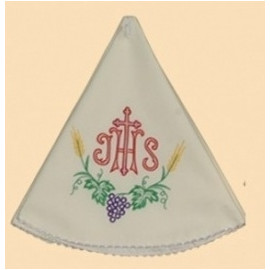
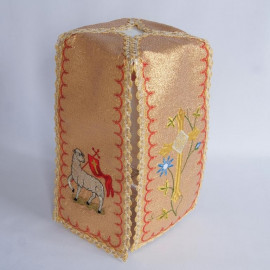
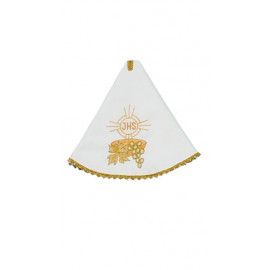
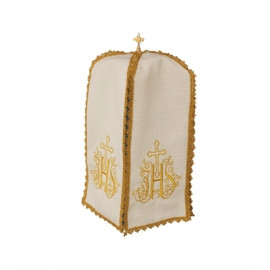
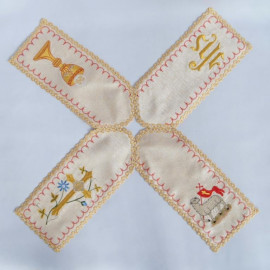
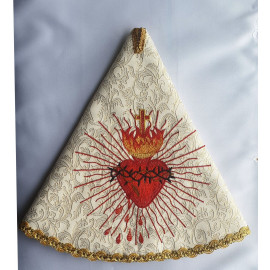
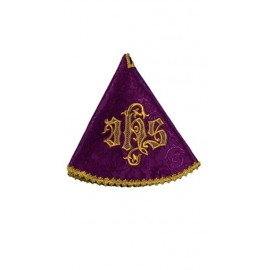
Embroidered ciborium veils — feature decorative embroidery, often with crosses, wheat, grapes, or other Eucharistic symbols. These are the most popular choice for parishes that want something that looks beautiful in the tabernacle and shows extra reverence for the Blessed Sacrament.
Colored ciborium veils — available in liturgical colors (white, red, green, violet) to match the season. Some parishes change their veils with the liturgical calendar for a coordinated sacristy.
How Do I Choose the Right Ciborium Veil?
- Match your liturgical colors. Many churches have veils in different colors to match the liturgical season — white for Easter and Christmas, violet for Advent and Lent, green for Ordinary Time, red for Pentecost and martyrs.
- Check the size. The veil needs to fit over your ciborium comfortably. Measure your ciborium before ordering to ensure proper coverage.
- Consider the material. Linen is practical for daily use. Silk or embroidered veils are better for special occasions and solemn celebrations.
- Look for quality embroidery. If you are going with an embroidered veil, check that the stitching is even and secure. Poor quality embroidery will fray after repeated washing.
| Material | Best For | Care | Price Range |
|---|---|---|---|
| Linen | Daily use, weekday Mass | Machine washable | $15–$40 |
| Silk | Sunday Mass, special occasions | Dry clean recommended | $30–$80 |
| Embroidered | Solemnities, feast days | Hand wash or dry clean | $40–$120 |
How Do You Care for Ciborium Veils?
Linen veils can usually be machine washed on a gentle cycle. Silk and embroidered veils should be hand washed or dry cleaned. Store veils flat or rolled — do not fold them sharply, as this can crease the fabric and damage embroidery over time. Keep veils in a clean, dry place in the sacristy.
Frequently Asked Questions About Ciborium Veils
Q: Do I need a veil for my ciborium?
A: While not strictly required by canon law, using a veil is a long-standing tradition that shows reverence for the Blessed Sacrament. Most churches use them, and they are recommended by liturgical guidelines.
Q: What color should the ciborium veil be?
A: White is the most common and appropriate color for the ciborium veil, as it symbolizes purity and the Eucharist. Some churches use liturgical colors to match the season, which is also appropriate.
Browse Our Ciborium Veil Collection
View our selection of embroidered ciborium veils in linen, silk, and decorative styles. Find the right veil to cover your ciborium with reverence. We also offer chalice veils and monstrance veils for a complete set of sacred vessel coverings.