
What Is a Liturgical Reliquary?
A liturgical reliquary is a sacred container used to hold and display relics — physical remains or personal effects of saints and blesseds of the Catholic Church. The veneration of relics has been part of Catholic tradition since the earliest days of Christianity, and reliquaries are the vessels that make this beautiful devotion possible.
Relics are classified in three classes: first class (body parts of a saint), second class (items owned or used by a saint), and third class (objects touched to a first class relic). A reliquary can hold any class of relic, and they come in many different styles, sizes, and materials to suit different devotional needs and settings.
The veneration of relics is rooted in the belief that the bodies of the saints were temples of the Holy Spirit and will be resurrected on the last day. Relics remind us of the communion of saints and the reality of heaven. They are not objects of worship but instruments of devotion and intercession.
What Types of Liturgical Reliquaries Are Available?
Reliquaries range from simple to ornate, depending on their purpose and the class of relic they will hold:
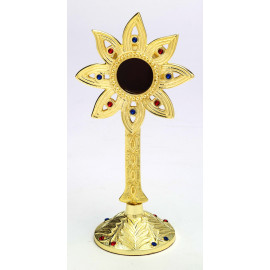
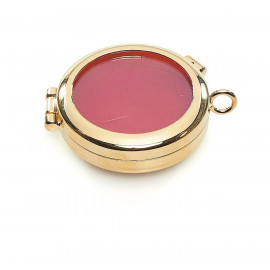
Small personal reliquaries — compact, often pendant-style containers that can be worn or kept on a home altar. Good for third-class relics or small first-class relics. These are popular for personal devotion and make excellent gifts for confirmations, first communions, and other sacramental occasions.
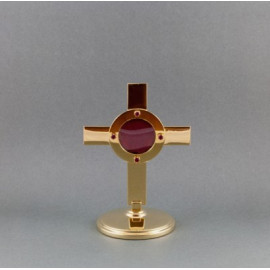
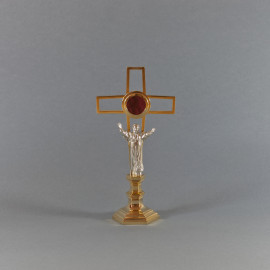
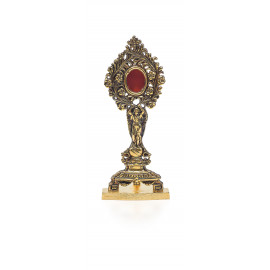
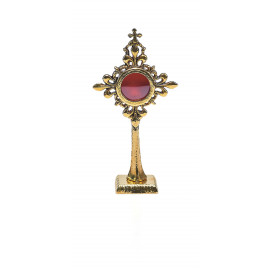
Altar reliquaries — larger, more ornate vessels designed for display on a church altar or in a side chapel. These often have glass windows so the relic can be seen by the faithful. Altar reliquaries are required for the dedication of a church, as canon law requires that relics of saints be placed in or under the altar.
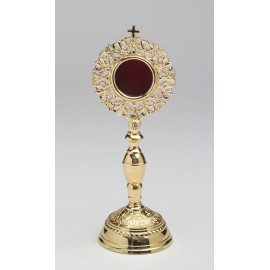
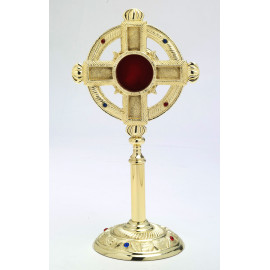
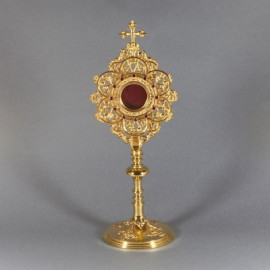
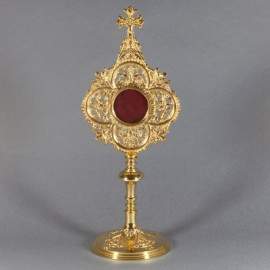
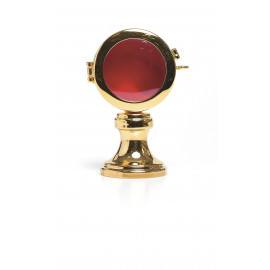
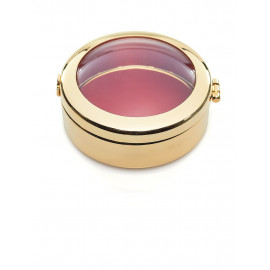
Traditional brass reliquaries — the most common type for parish use. Durable, attractive, and affordable. Usually have a screw-top closure and a glass window for viewing the relic inside.
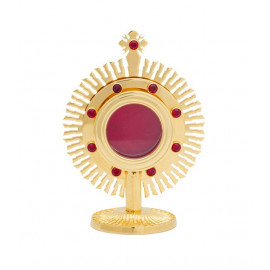
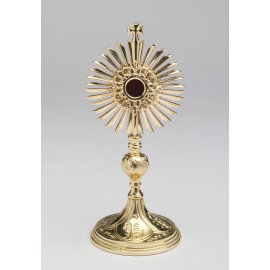
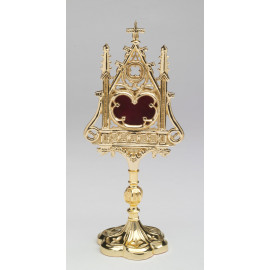
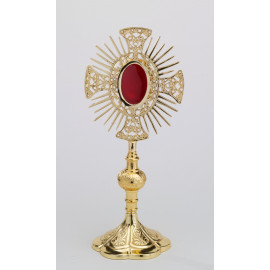
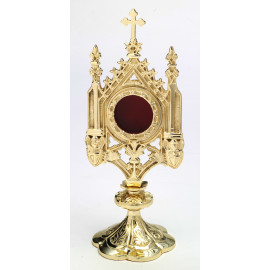
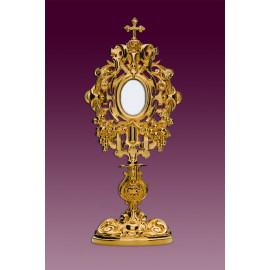
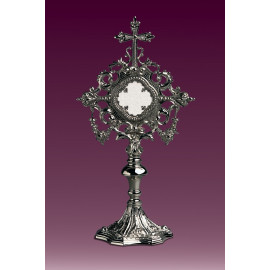
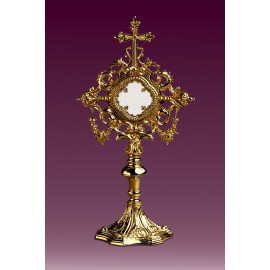
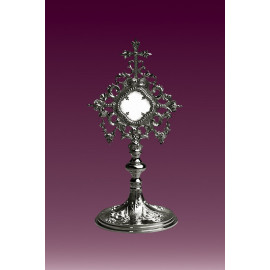
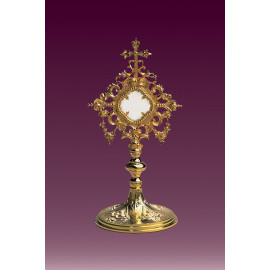
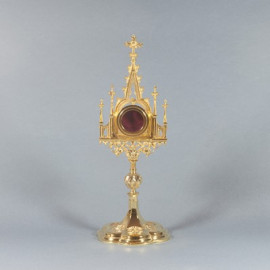
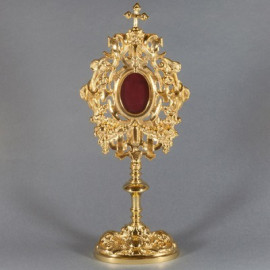
Display reliquaries — larger, more elaborate reliquaries designed for prominent display in a church, chapel, or shrine. These often feature ornate metalwork, decorative bases, and large glass windows.
How Do I Choose the Right Reliquary?
- Match the relic size. Make sure the reliquary is large enough to hold the relic securely. First-class relics are typically small fragments, so even a small reliquary can accommodate them.
- Consider the display location. An altar reliquary should be visible and dignified. A personal one can be smaller and more portable for home devotion.
- Check the closure. The reliquary should seal securely to protect the relic inside. A screw-top closure is generally more secure than a hinged lid.
- Look for authentication. Reputable reliquaries come with documentation and a seal of authentication from the issuing authority. Always verify the authenticity of relics before placing them in a reliquary.
- Consider the glass quality. The glass window should be clear and well-fitted so the relic can be seen clearly. Cloudy or poorly fitted glass diminishes the devotional value.
| Type | Size | Best For | Price Range |
|---|---|---|---|
| Personal pendant | 1-2 inches | Private devotion, home altar | $15–$40 |
| Brass altar reliquary | 2-4 inches | Church altar, side chapel | $30–$100 |
| Ornate display reliquary | 4-8 inches | Cathedral, major relic | $80–$300+ |
How Do You Care for a Reliquary?
Reliquaries are relatively low-maintenance. Keep them in a clean, dry place. Dust them regularly with a soft cloth. If the glass window becomes cloudy, clean it gently with glass cleaner — but avoid getting any chemicals on the metal. Store reliquaries in a secure location, especially if they contain valuable or significant relics. Handle reliquaries with reverence, remembering the sacred contents they hold.
Frequently Asked Questions About Reliquaries
Q: Where do I get relics to put in a reliquary?
A: Relics are obtained through religious orders, shrines, or other churches. They should always come with proper documentation (authenticity certificate or authentic). Never buy or sell relics — this is simony. Relics may be given freely or exchanged between churches.
Q: Can I keep a reliquary at home?
A: Yes, many Catholics keep reliquaries in their homes for private devotion. Just treat them with the reverence due to sacred objects. A home altar or prayer corner is an appropriate place for a reliquary.
Q: Do reliquaries need to be blessed?
A: It is a good practice to have reliquaries blessed by a priest. The blessing sets the vessel apart for sacred use and adds a spiritual dimension to your devotion.
Browse Our Reliquary Collection
Explore our selection of liturgical reliquaries in brass, silver-plated, and various sizes. Find the right reliquary for your parish or personal devotion. We also offer sacred icons and Stations of the Cross for a complete devotional collection.