
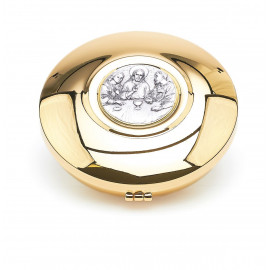
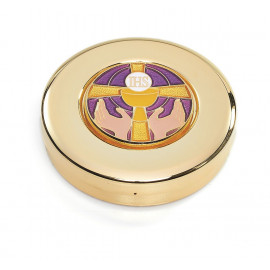
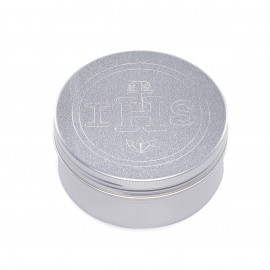
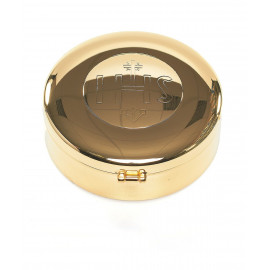
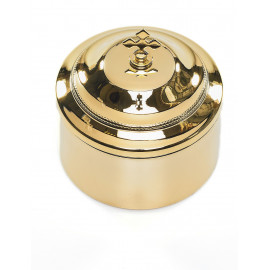
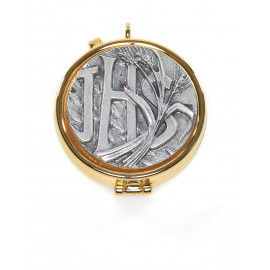
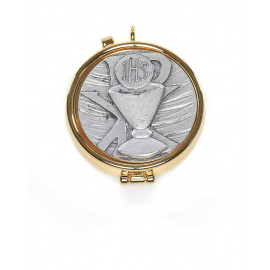
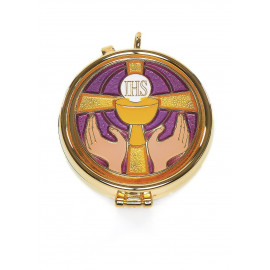
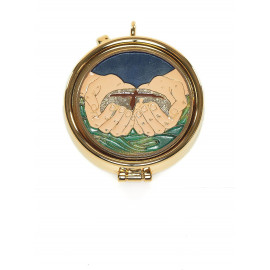
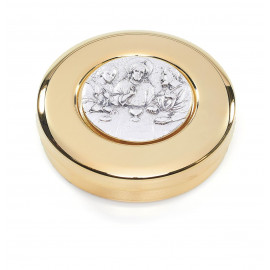
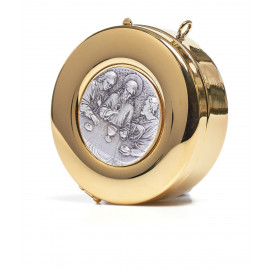
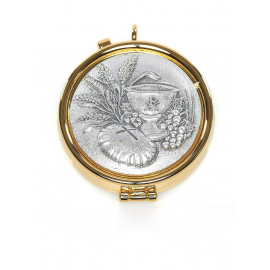
What Is a Catholic Pyx?
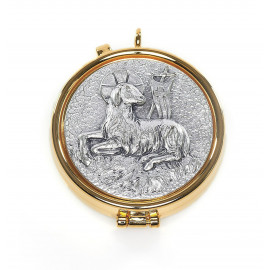
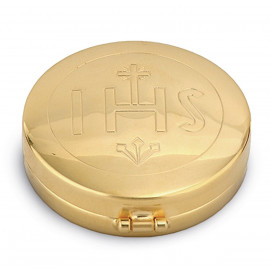
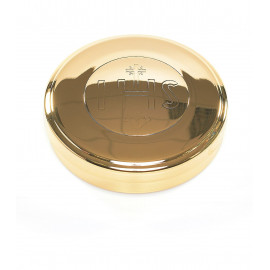
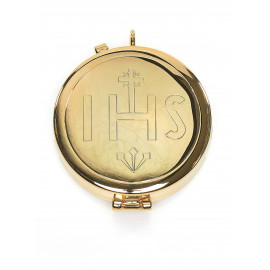
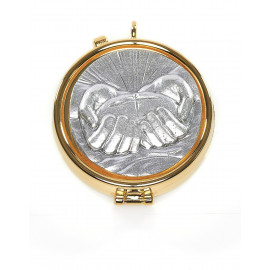
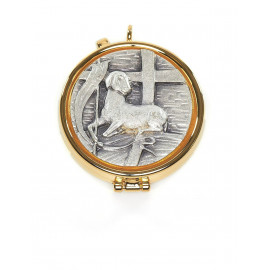
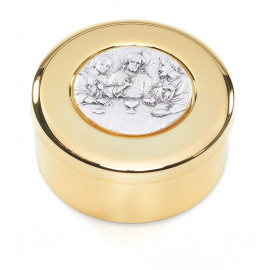
A Catholic pyx is a small, round container used to carry the consecrated host — the Body of Christ — to the sick, homebound, hospitalized, or imprisoned. It is one of the most practical and essential sacred vessels for any parish that ministers to those who cannot attend Mass. The pyx ensures that the Eucharist is transported safely, reverently, and securely.
The word "pyx" comes from the Greek "pyxis," meaning box. Early Christians used small boxes to carry the Eucharist to those who could not attend the liturgical celebration — and we still do the same thing today. The pyx is typically made of precious metal and has a secure closure to protect the consecrated host during transport.
Every priest, deacon, and commissioned Eucharistic minister who brings Communion to the sick needs a quality pyx. It is a small investment that enables an important ministry of the Church.
What Types of Catholic Pyx Are Available?
Pyx designs are pretty straightforward, but there are a few options to consider when choosing the right pyx for your ministry:
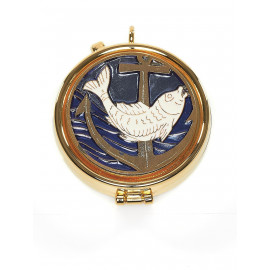
Traditional round pyx — the classic design. Small, round, with a hinged or screw-top lid. Usually made of brass or silver-plated metal. This is what most parishes use for regular Communion visits to the sick and homebound.
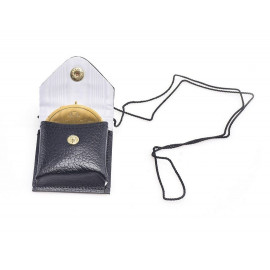
Pyx with chain — includes a chain so it can be worn around the neck. This keeps the pyx secure and close to the body during transport. Popular with priests who make hospital visits, nursing home visits, and homebound visits. The chain ensures the pyx stays secure and is not accidentally dropped or left behind.
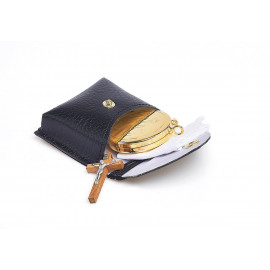
Pyx with case — comes with a protective pouch or case. Good for keeping the pyx clean and discreet during transport. The case also provides an extra layer of reverence for the consecrated host inside.
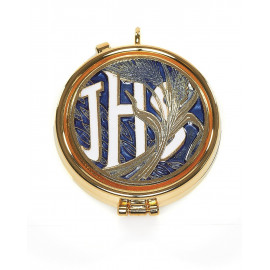
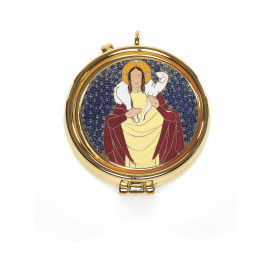
Engraved pyx — some pyxes feature engraved crosses or other religious symbols. These make excellent gifts for ordinations, anniversaries of ordination, and retirement celebrations for priests and deacons.
How Do I Choose the Right Pyx for Ministry?
- Size matters. A pyx needs to hold at least one host, but if you regularly bring Communion to multiple people during a single visit, get one that holds several hosts. Consider your typical ministry schedule.
- Closure security. The lid should close firmly. You do not want it opening in your pocket or bag during transport. Screw-top lids are generally more secure than hinged lids.
- Interior must be precious metal. Same rule as all sacred vessels — the inside needs to be gold or silver plated to meet liturgical requirements and show proper reverence for the Eucharist.
- Consider a chain. If you will be carrying it on foot or visiting hospitals, a chain keeps it secure and close to your body. This is especially important when traveling in public.
- Look for quality construction. The hinge or screw mechanism should be smooth and reliable. Check that the interior is properly plated and the exterior finish is even.
| Type | Capacity | Best For | Price Range |
|---|---|---|---|
| Small round pyx | 1-3 hosts | Individual visits, daily ministry | $20–$50 |
| Pyx with chain | 1-5 hosts | Priests, hospital visits, travel | $30–$80 |
| Pyx with case | 1-5 hosts | Eucharistic ministers, discreet transport | $40–$100 |
How Do You Care for a Pyx?
A pyx is simple to maintain but requires reverent handling. After each use, wipe the interior with a purificator or clean cloth. If any particles of the consecrated host remain, they should be consumed reverently or dissolved in water and poured into the sacrarium (the special sink in the sacristy that drains directly into the ground, not the sewer). Store the pyx in a clean, dry place — many priests keep theirs in their cassock pocket or in a small pouch. If the plating wears thin inside, have it re-plated by a professional.
Frequently Asked Questions About the Pyx
Q: Who can carry a pyx?
A: Priests, deacons, and commissioned Eucharistic ministers can carry a pyx to bring Communion to the sick. The minister must be properly commissioned by the pastor according to diocesan guidelines.
Q: How do you clean a pyx?
A: Wipe the interior with a clean purificator after each use. For deeper cleaning, use a soft cloth and mild soap. Any particles should be consumed reverently or dissolved in water and poured into the sacrarium, never down a regular drain.
Q: Can I keep a pyx at home?
A: Eucharistic ministers who are commissioned for homebound ministry may keep a pyx at home for their ministry visits. The pyx should be stored in a reverent place, such as a prayer corner or home altar.
Q: How often should a pyx be replaced?
A: A quality pyx can last for many years with proper care. Replace it when the plating wears thin, the closure mechanism fails, or the exterior becomes significantly damaged.
Browse Our Pyx Collection
View our selection of Catholic pyx in brass, silver-plated, and with chain options. Every pyx meets liturgical requirements for transporting the Blessed Sacrament. Find the right pyx for your ministry to the sick and homebound. We also offer ciboria and custodies for a complete sacred vessel collection.