Training altar servers is one of the most rewarding ministries in a parish. These young people (and sometimes adults) serve at the heart of the liturgy, and a well-trained server makes the entire celebration flow more smoothly.
But training servers isn't just about teaching them what to do — it's about forming them in reverence, discipline, and love for the liturgy. Here's my complete guide to training altar servers for your parish.
What Does an Altar Server Do?
An altar server assists the priest and deacon during Mass. Specific duties vary by parish, but typically include:
- Carrying the processional cross and candles
- Holding the book for the priest
- Preparing the water and wine at the offertory
- Ringing the altar bells at the consecration
- Assisting with the thurible (if incense is used)
- Helping the priest with vestments and linens
How to Start a Server Training Program
Step 1: Set Requirements
Most parishes require servers to be at least 8-10 years old (or have received First Communion). Some parishes accept younger children as "servers in training." Adults can also serve — and they're often the most reliable.
Step 2: Create a Training Schedule
A typical training program takes 4-6 sessions, each lasting about an hour. Here's a suggested breakdown:
| Session | Topics |
|---|---|
| 1 | Introduction to the Mass, basic responses, posture |
| 2 | Procession and recession, carrying cross and candles |
| 3 | Offertory, preparing water and wine, handling the cruets |
| 4 | Consecration, altar bells, thurible basics (if applicable) |
| 5 | Full Mass practice — servers rotate through all roles |
| 6 | Final evaluation and commissioning |
Step 3: Teach the Basics
Every server should know:
- How to make a proper bow and genuflection
- The basic responses (And with your spirit, Thanks be to God, etc.)
- When to stand, sit, and kneel
- How to hold and carry the processional cross
- How to ring the altar bells (three times at the consecration)
- How to handle the cruets without spilling
Step 4: Practice, Practice, Practice
The best way to learn is by doing. Have servers practice at a low Mass (weekday Mass with few attendees) before they serve at Sunday Mass. Rotate them through different roles so they learn every position.
What Vestments Do Servers Need?
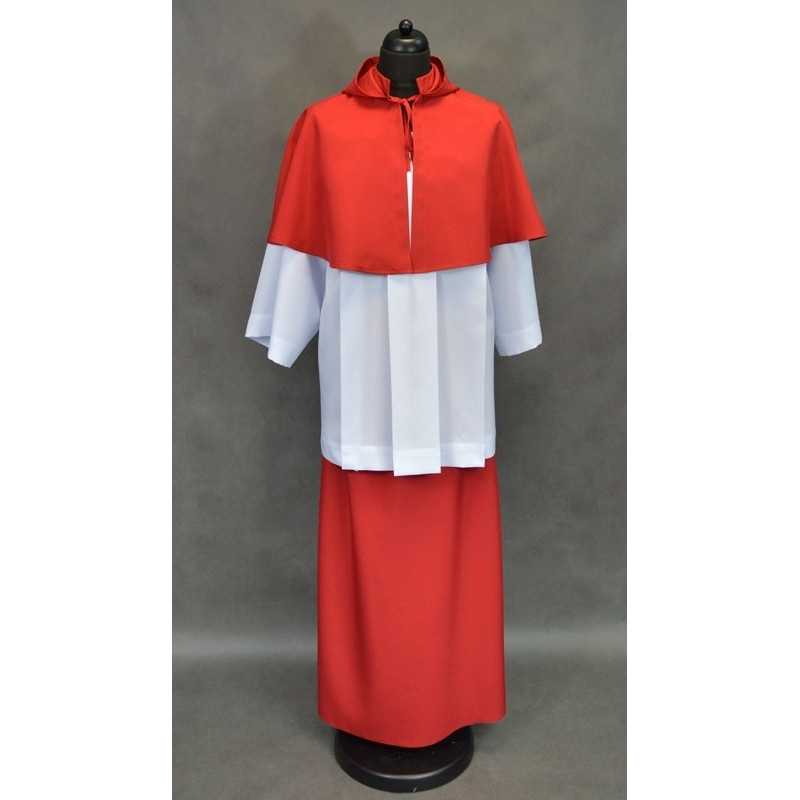
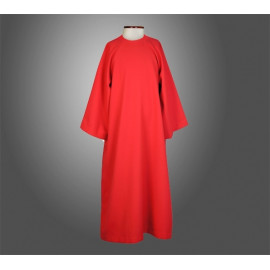
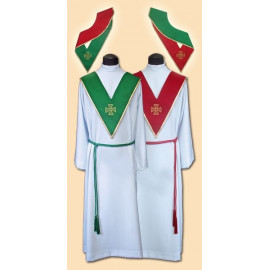
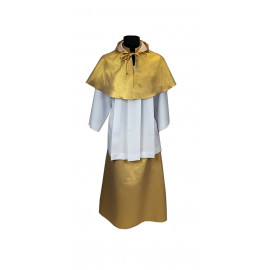
Servers should wear an alb (the proper Mass vestment) or a surplice over a cassock (traditional but less common now). The alb is preferred because it's the universal vestment for all ministers at Mass.
Make sure you have albs in a range of sizes — from children's XS to adult XXL. A server who's swimming in an alb or tripping over the hem can't serve effectively.
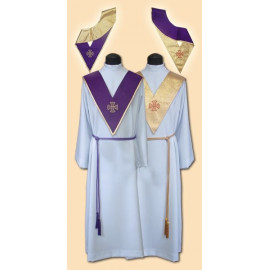
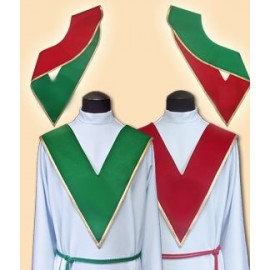
We carry a full range of altar server albs, server surplices, server cassocks, and cinctures in every size. For a complete overview of server vestments, see our lectors and altar server robes collection.
What I Recommend
For most parishes, I recommend a structured training program with a clear progression from beginner to advanced. Keep a training manual (even a simple one-page checklist) so servers know what's expected. And always have experienced servers paired with beginners — mentoring is the best teacher.
Invest in quality albs that will last. Cheap albs tear, stain, and look sloppy. A good alb, properly cared for, will serve your parish for years. Don't forget cinctures to complete the server's vestments.
Frequently Asked Questions
Q: Can girls be altar servers?
A: Yes. The Church permits both boys and girls to serve at the altar. The decision is left to the local bishop. Most dioceses in the US and Europe allow female servers.
Q: How often should servers be retrained?
A: Annual refresher training is a good idea, especially if you have a lot of turnover. Even experienced servers benefit from a quick review before the school year starts.
Q: What if a server makes a mistake during Mass?
A: Mistakes happen. The server should stay calm, correct the mistake if possible, and keep going. The congregation is usually more forgiving than the server expects.
Related Products
Equip your altar servers with quality vestments:
- Lectors and Altar Server Robes — our full collection
- Altar Server Albs — in every size
- Altar Server Surplices — traditional style
- Altar Server Cassocks — to wear under surplices
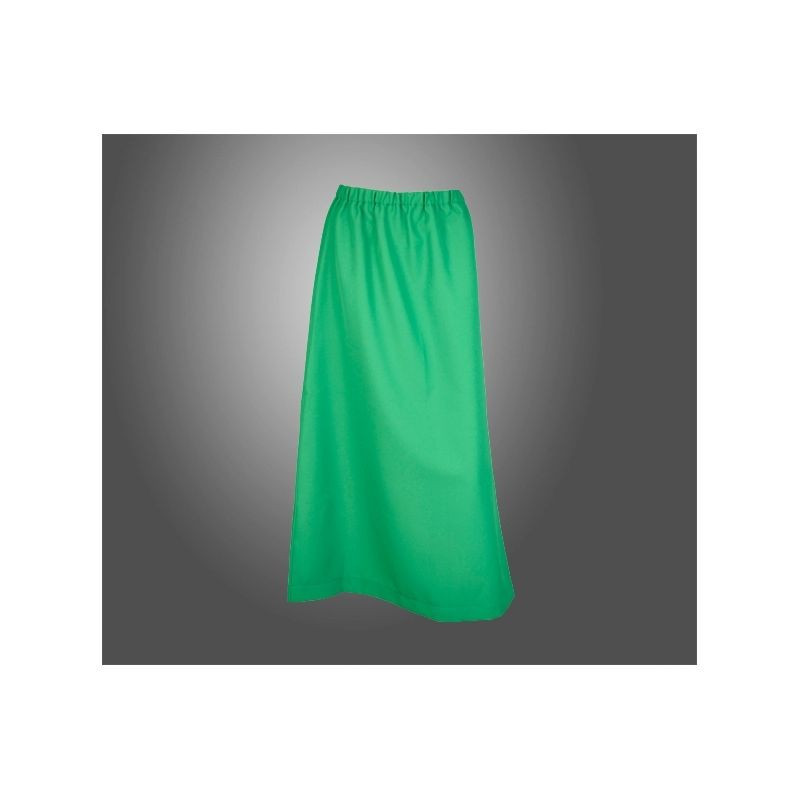
- Altar Server Skirts — for female servers; long, elastic-waist skirts in five liturgical colors, sizes 128–194 cm
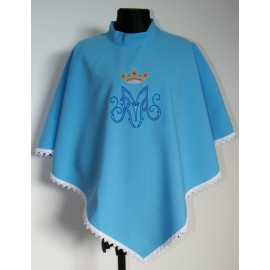
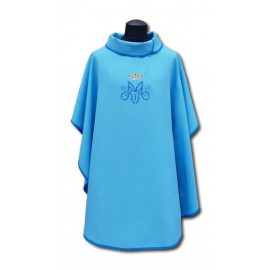
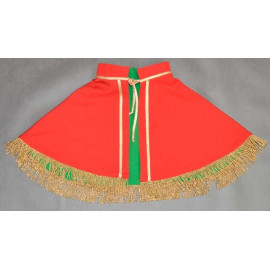
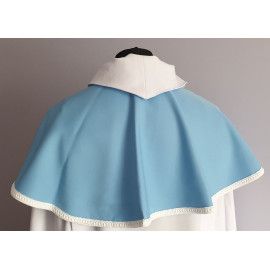
- Altar Shoulder Capes — for additional coverage
- Liturgical Cinctures — to secure the alb
- Processional Crosses — for server training
- Sanctuary Bells — for the consecration
Conclusion
Training altar servers is an investment in the future of your parish. Well-trained servers make the liturgy more dignified, and the experience of serving at the altar often leads to deeper faith and even vocations to the priesthood and religious life.
Browse our collection of altar server vestments — albs, cassocks, surplices, and cinctures in every size.