Ash Wednesday is the gateway to Lent — the most penitential season of the liturgical year. If you're a pastor, sacristan, or liturgy coordinator, here's what you need to prepare.
Vestments
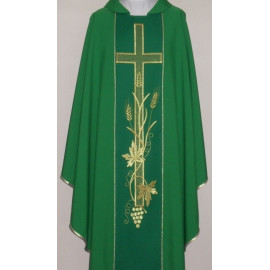
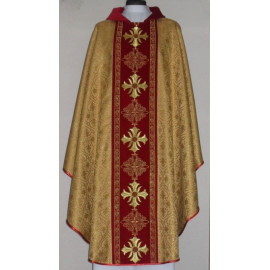
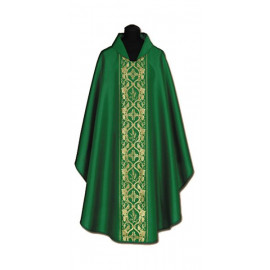
The color for Ash Wednesday is violet. The priest should wear a violet chasuble and stole. If your parish distributes ashes during Mass, the priest may wear the chasuble for the Mass and then bless and distribute ashes after the homily.
The Ashes
The ashes are made from the blessed palms of the previous year's Palm Sunday. They should be burned, ground to a fine powder, and blessed during the Ash Wednesday liturgy.
Here's what you need:
- A container for the ashes (a simple bowl or dish)
- A small spoon or your thumb for applying the ashes
- A bowl of water and a towel for washing hands after distribution
Scheduling
Most parishes offer ashes at multiple Masses throughout the day — early morning, lunchtime, and evening — to accommodate working parishioners. Plan for larger-than-usual crowds.
What I Recommend
Start preparing the ashes at least a week in advance. Burn the palms, grind them finely, and store them in a sealed container. Make sure you have enough volunteers to distribute ashes efficiently — long lines can be discouraging.
Frequently Asked Questions
Q: Can a deacon distribute ashes?
A: Yes, a deacon can distribute ashes. In fact, it's a common ministry for deacons on Ash Wednesday.
Q: Do ashes have to be applied in the shape of a cross?
A: The traditional form is a cross on the forehead. Some parishes also offer the alternative form — a sprinkling of ashes on the crown of the head (more common in the Extraordinary Form).
Conclusion
Ash Wednesday sets the tone for the entire Lenten season. Prepare well, distribute ashes reverently, and invite your parishioners to a holy and transformative Lent.
Browse our Lenten vestment collection — liturgical stoles — violet chasubles, stoles, and dalmatics for the penitential season.