If there's one thing that confuses people about the Catholic liturgy, it's the colors. Why is the priest wearing green today? Why did it change to violet last week? What's with the red on Pentecost? And is rose even a real color?
I've been asked these questions hundreds of times. So I'm writing the definitive guide to liturgical colors — what they mean, when to wear them, and the common mistakes people make.
The Six Liturgical Colors
The Roman Rite uses six colors, each with its own meaning and season:
| Color | Meaning | When Used |
|---|---|---|
| Green | Hope, growth, ordinary life | Ordinary Time (33-34 weeks/year) |
| Violet | Penitence, preparation, sacrifice | Advent, Lent, Reconciliation |
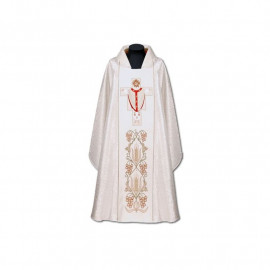
| White | Purity, joy, glory, Resurrection | Christmas, Easter, Marian feasts, All Saints |
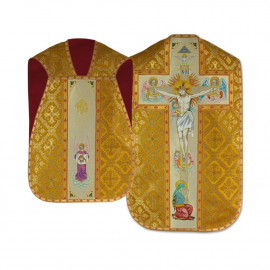
| Gold | Same as white, but more solemn | Most solemn feasts (Easter, Christmas) |
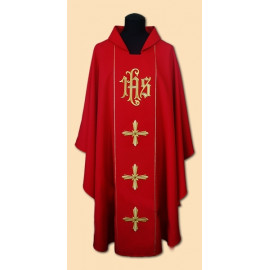
| Red | Fire, blood, martyrdom, Holy Spirit | Pentecost, Good Friday, martyrs' feasts |
| Black | Mourning, death | Funerals, All Souls (optional) |
| Rose | Joy in penitence | Gaudete Sunday, Laetare Sunday |
Green: The Color of Ordinary Time
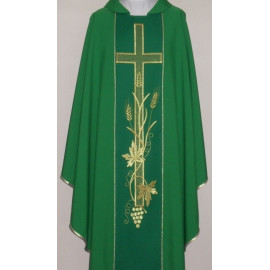
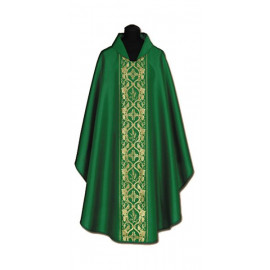
Green is the most common liturgical color because Ordinary Time makes up the bulk of the year. It symbolizes hope and the ongoing growth of the Church. If there's no special feast or season, you wear green.
Ordinary Time runs from the Monday after the Baptism of the Lord until Ash Wednesday, and then from the Monday after Pentecost until the First Sunday of Advent. That's roughly 33-34 weeks of green.
Violet: The Color of Preparation
Violet is used during Advent and Lent — the two great penitential seasons. It's also used for the Sacrament of Reconciliation and as an alternative to black for funerals.
Advent violet is about preparation — we're getting ready for the coming of Christ. Lent violet is about repentance — we're turning away from sin and toward God. Same color, different emphasis.
White and Gold: The Colors of Joy
White is used for the most joyful celebrations: Christmas, Easter, the feasts of Our Lord (except the Passion), the feasts of the Blessed Virgin Mary, the angels, and the non-martyr saints.
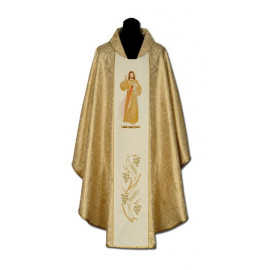
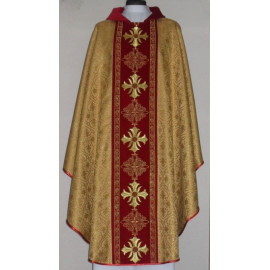
Gold can be used instead of white on the most solemn occasions. It's not a separate color — it's a more festive version of white. Think of it as white with extra celebration.
Red: The Color of Fire and Blood
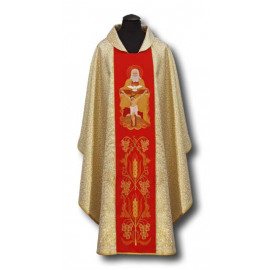
Red is used on Pentecost Sunday (the fire of the Holy Spirit), Good Friday (the blood of Christ), and the feasts of the apostles and martyrs. It's the most dramatic liturgical color and always draws attention.
Red is also used for the Sacrament of Confirmation, since it's closely connected to Pentecost and the gifts of the Holy Spirit.
Black: The Color of Mourning
Black is permitted for funerals and All Souls' Day (November 2nd). It's optional — violet or white can be used instead. In modern practice, black is rarely used. Most parishes prefer violet or white for funerals.
Rose: The Color of Joy in Penitence
Rose is used on exactly two days: the Third Sunday of Advent (Gaudete Sunday) and the Fourth Sunday of Lent (Laetare Sunday). It's a lighter shade of violet that signals a brief moment of joy in the middle of a penitential season.
Rose is optional. If you don't have rose vestments, violet is perfectly fine. But if you do have them, they're a beautiful touch.
Common Mistakes to Avoid
Here are the most common liturgical color mistakes I see:
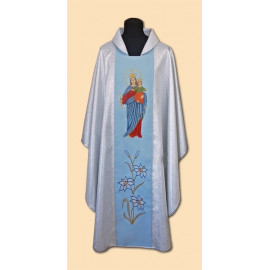
- Using blue for Marian feasts. Blue is not an official liturgical color in the Roman Rite. White is the proper color for Marian feasts.
- Wearing red for Palm Sunday. Palm Sunday uses red (for the Passion), but some priests mistakenly wear violet. Red is correct.
- Forgetting that solemnities override the season. If a solemnity falls during Lent, you wear white — not violet. The Immaculate Conception (Dec 8) is a good example.
- Using gold every Sunday. Gold is for the most solemn feasts, not every Sunday. Save it for Easter, Christmas, Corpus Christi, and similar celebrations.
What I Recommend
Every priest should own at minimum: green, violet, white, and red vestments. That covers 99% of the liturgical year. Add black and rose as your budget and preferences dictate.
For each color, I recommend having at least two sets — one for daily use (simpler, more durable) and one for Sundays and feasts (more ornate). This way your best vestments stay fresh for the occasions that matter most.
Frequently Asked Questions
Q: Can I wear blue for the Feast of the Immaculate Conception?
A: No, blue is not an official liturgical color. White is the proper color for the Immaculate Conception. Some priests add blue embroidery to a white stole as a Marian tribute, but the base color should be white.
Q: What color for a wedding Mass?
A: Any color except violet or black is appropriate for a wedding. White or gold is most common, but green or red are also acceptable. The priest should coordinate with the couple and the liturgical calendar.
Q: What color for a baptism?
A: White is the traditional color for baptisms, symbolizing the new life in Christ. But any festive color (white, gold, green, red) is acceptable.
Q: Can I wear a white stole with a green chasuble?
A: The stole should match the chasuble. Mixing colors is not forbidden, but it looks inconsistent. For a unified appearance, wear a green stole with a green chasuble.
Conclusion
The liturgical colors are a visual language — they tell the story of the Church year without a single word. Green for growth, violet for preparation, white for joy, red for fire and blood, black for mourning, and rose for joy in the midst of penitence. Once you know the system, it's easy to remember, and it adds a layer of meaning to every celebration.
If you're building your vestment wardrobe, start with the four essential colors (green, violet, white, red) and add the others as your budget allows. Every vestment in our collection is available in every liturgical color, so you can build a coordinated wardrobe that serves your parish for years.
Browse our complete collection of liturgical vestments — chasubles, stoles, dalmatics, and more in every color of the liturgical year.
See our wedding stoles collection.
For the cope in each liturgical color, see our Catholic cope collection — white, red, green, violet, black, and gold.