
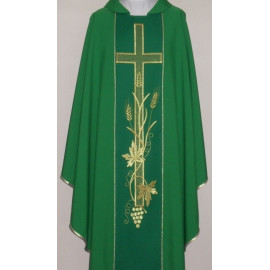
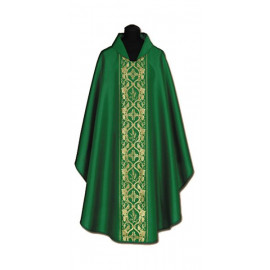
Green is the most common liturgical color, worn during Ordinary Time — the 33-34 weeks of the year that aren't part of Advent, Christmas, Lent, or Easter. Here's everything you need to know about green vestments.
When Are Green Vestments Worn?
Green vestments are worn during Ordinary Time, which runs from the Monday after the Baptism of the Lord until Ash Wednesday, and from the Monday after Pentecost until the First Sunday of Advent. That's roughly 33-34 weeks per year — more than half the liturgical calendar.
What Does Green Symbolize?
Green symbolizes hope, growth, and the ongoing life of the Church. During Ordinary Time, the Church focuses on the teachings and miracles of Jesus — the everyday living out of our faith.
What I Recommend
Since green is the most commonly worn liturgical color, invest in a good quality green chasuble that will hold up to frequent use. A wool or wool-polyester blend is ideal — durable, comfortable, and easy to care for.
Frequently Asked Questions
Q: Can I use a different color during Ordinary Time?
A: Green is the proper color for Ordinary Time. On solemnities and feasts that fall during Ordinary Time, the color of the feast takes precedence (white for Marian feasts, red for martyrs, etc.).
Conclusion
Green vestments may not be as festive as white or as dramatic as red, but they carry an important message: hope, growth, and the steady living out of our faith. Wear them with pride.
Browse our green vestment collection — green chasubles — chasubles, stoles, and dalmatics for Ordinary Time.
See our green chalice palls collection.