
Ordinary Time gets a bad rap. It's not Advent, Lent, Christmas, or Easter. But "ordinary" doesn't mean boring — it means "ordered" or "numbered." This is the season of growth, discipleship, and the everyday living out of our faith.
The Color of Ordinary Time: Green
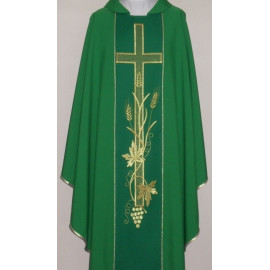
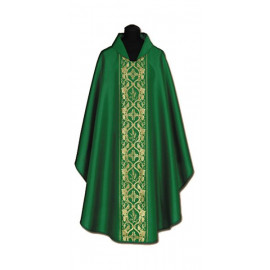
Green is the liturgical color for Ordinary Time. It symbolizes hope, growth, and the ongoing life of the Church. Your chasuble, stole, and dalmatic should all be green during this season.
Church Decorations
Unlike the festive seasons, Ordinary Time calls for moderate decoration. Flowers are permitted (unlike Lent), but they shouldn't be excessive. Keep the sanctuary clean, dignified, and focused on the altar and ambo.
What I Recommend
Use Ordinary Time to catch up on maintenance. Polish the chalices, repair worn vestments, deep-clean the linens, and organize the sacristy. It's the perfect season for behind-the-scenes work that makes the festive seasons shine.
Frequently Asked Questions
Q: How long is Ordinary Time?
A: Ordinary Time runs from the Monday after the Baptism of the Lord until Ash Wednesday (roughly 6-9 weeks), and then from the Monday after Pentecost until the First Sunday of Advent (roughly 24-29 weeks). Total: 33-34 weeks per year.
Conclusion
Ordinary Time is the backbone of the liturgical year. It's where we live out our faith in the everyday. Green vestments, moderate decoration, and a focus on growth and discipleship — that's the Ordinary Time way.
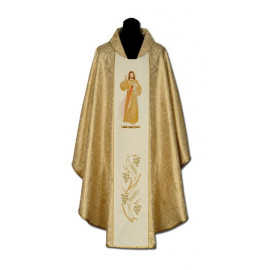
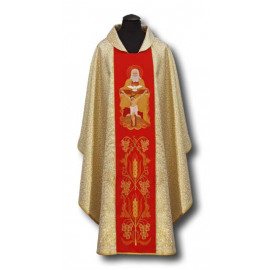
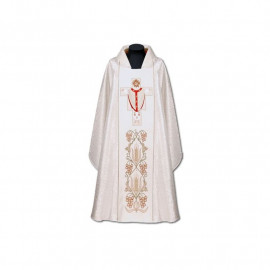
Browse our green vestment collection — green chasubles — chasubles, stoles, and dalmatics for Ordinary Time.