
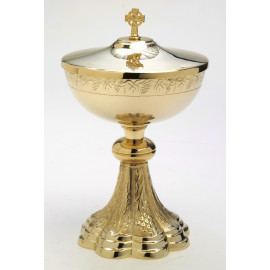
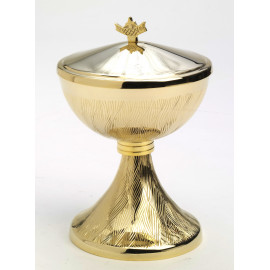
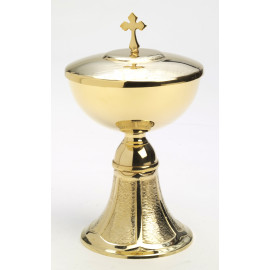
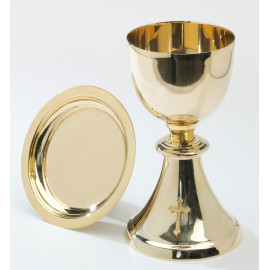
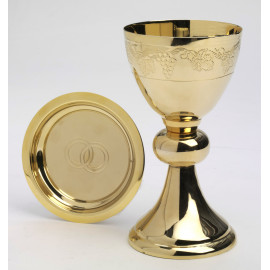
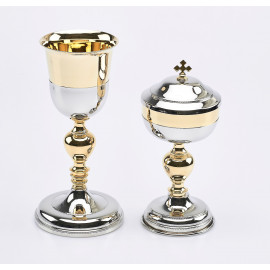
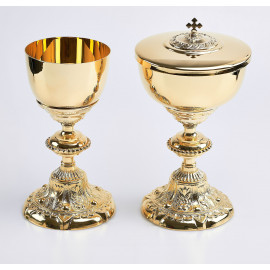
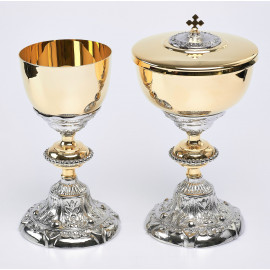
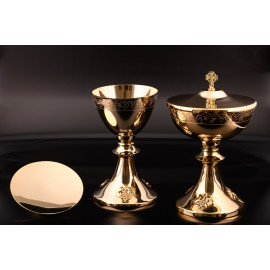
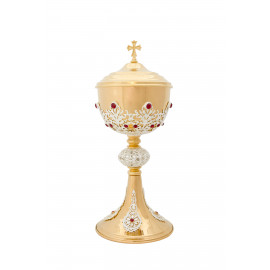
A chalice is one of the most sacred vessels in the Catholic Church. It holds the Blood of Christ, and it deserves our utmost reverence — not just during Mass, but in how we care for it afterward. I've seen chalices that have been in use for decades, still looking beautiful because they were properly maintained. I've also seen chalices that were neglected, tarnished, and damaged by improper cleaning.
Let me walk you through the right way to clean and polish your chalice. It's not complicated, but there are a few things you need to get right.
Why Proper Chalice Care Matters
A chalice isn't just another piece of church property. It's a consecrated vessel — set apart for sacred use. Canon law requires that chalices be made of precious metal or at least lined with precious metal on the interior. This means the materials are valuable, and they need to be treated with care.
Proper cleaning extends the life of the chalice, prevents tarnishing, and ensures that the vessel remains worthy of its sacred purpose. A tarnished, pitted chalice is not only unsightly — it can also harbor bacteria and affect the taste of the Precious Blood.
What You'll Need
| Item | Purpose |
|---|---|
| Soft, lint-free cloth | For drying and polishing |
| Mild dish soap | For washing (avoid harsh detergents) |
| Warm water | For washing and rinsing |
| Silver polish (if applicable) | For removing tarnish from silver-plated chalices |
| Brass polish (if applicable) | For brass chalices |
| Soft-bristled brush | For cleaning hard-to-reach areas |
Step-by-Step: How to Clean a Chalice After Mass
1. Immediate Care at the Altar
After the priest consumes the Precious Blood, the chalice is wiped with a purificator — a small linen cloth. This removes any remaining drops. The purificator is then rinsed, and the rinse water is consumed or poured into the sacrarium (the special sink in the sacristy that drains directly into the earth).
2. Washing the Chalice
Back in the sacristy, the chalice should be washed as soon as possible. Here's the process:
- Fill a basin with warm water and a small amount of mild dish soap.
- Gently wash the bowl, stem, and base with a soft cloth or sponge.
- Use a soft-bristled brush to clean inside the bowl, especially around the rim where residue can accumulate.
- Rinse thoroughly with clean water.
- Dry immediately with a soft, lint-free cloth.
Important: Never put a chalice in the dishwasher. The heat and harsh detergents will damage the plating and can cause the bowl to separate from the stem.
3. Polishing the Chalice
After washing and drying, the chalice may need polishing. The method depends on the material:
Silver-plated chalices: Use a silver polish cloth or a small amount of silver cream. Apply gently in circular motions, then buff to a shine. Avoid getting polish inside the bowl — the interior is usually gold-plated and doesn't need polishing.
Brass chalices: Use a brass polish or a mixture of equal parts vinegar and salt. Apply, let sit for a few minutes, then buff with a soft cloth. Brass tarnishes more quickly than silver, so it may need more frequent polishing.
Gold-plated interiors: The gold plating inside the bowl doesn't need polishing. Just keep it clean and dry. If the gold plating is wearing thin, the chalice should be re-gilded by a professional.
How Often Should You Polish a Chalice?
It depends on the material and how often the chalice is used. A silver-plated chalice used daily may need polishing once a week. A brass chalice might need it every few days. Gold-plated interiors rarely need attention beyond regular washing.
Here's a rough guide:
| Material | Polishing Frequency | Notes |
|---|---|---|
| Silver-plated exterior | Weekly (daily use) | Tarnishes quickly; use silver cloth |
| Brass exterior | Every 2-3 days (daily use) | Tarnishes faster than silver |
| Gold-plated interior | As needed | Usually just washing is enough |
| Stainless steel | Monthly | Low maintenance; wipe with damp cloth |
What to Avoid
Here are the most common mistakes I see when people clean chalices:
- Abrasive cleaners: Steel wool, scouring pads, and harsh powders will scratch the plating. Once the plating is scratched, the base metal will show through and tarnish.
- Bleach: Bleach is too harsh for precious metals and can cause pitting and discoloration.
- Dishwasher: The heat and detergents will damage the chalice. Hand-wash only.
- Leaving it wet: Water spots and tarnishing happen quickly. Always dry the chalice immediately after washing.
- Storing it uncovered: Dust and moisture will accumulate. Store the chalice in its box or under a veil when not in use.
What I Recommend
For most parishes, I recommend keeping a dedicated chalice cleaning kit in the sacristy. It should include: a soft lint-free cloth, a small bottle of mild dish soap, a silver polish cloth, and a soft-bristled brush. Keep it all in a small basket or drawer so it's always ready.
If your chalice is old or the plating is wearing thin, don't try to fix it yourself. Send it to a professional re-gilding service. They can restore the gold plating inside the bowl and the exterior finish for a fraction of the cost of a new chalice.
Frequently Asked Questions
Q: Can I use vinegar to clean my chalice?
A: Vinegar can be used on brass chalices (mixed with salt), but it's too acidic for silver-plated chalices. Stick to a proper silver polish for silver. For the interior gold plating, just use warm water and mild soap.
Q: How do I know if my chalice needs re-gilding?
A: If you can see the base metal (usually brass or copper) showing through the gold plating inside the bowl, it's time for re-gilding. The plating should be even and complete. A professional can assess the condition and give you a quote.
Q: Should the purificator be washed with the chalice?
A: No. The purificator is a linen cloth and should be washed separately. Rinse it first to remove any remaining traces of the Precious Blood, then wash it with the other liturgical linens.
Q: Can I use a chalice cleaning tablet?
A: Some companies make effervescent chalice cleaning tablets that dissolve in water. They're convenient and effective for routine cleaning. Just follow the instructions and make sure the tablet is safe for your chalice's material.
Conclusion
Caring for a chalice is a ministry in itself. It's an act of reverence — a way of honoring the sacred vessel that holds the Blood of Christ. With regular washing, gentle polishing, and proper storage, your chalice will serve your parish for decades and look beautiful doing it.
If you're in the market for a new chalice or need to replace an old one, browse our collection. We have chalices in brass, silver, and gold — all crafted to meet the Church's standards for sacred vessels.