
If you've attended Mass at different parishes or at different times, you've probably noticed that some Masses feel more elaborate than others. One might be a quiet weekday Mass with just the priest and a server. Another might be a Sunday Solemn Mass with deacon, subdeacon, thurible, and choir. What's the difference?
The Three Forms of Mass
| Form | Latin Name | Ministers | Music | Incense |
|---|---|---|---|---|
| Low Mass | Missa Lecta | Priest + 1 server | None or recited | No |
| Sung Mass | Missa Cantata | Priest + servers | Sung parts | Optional |
| Solemn Mass | Missa Solemnis | Priest + deacon + subdeacon | Full sung | Yes |
Low Mass
The Low Mass is the simplest form. The priest reads (doesn't sing) the prayers. One or two servers assist. There's no incense, no deacon, and minimal ceremony. This is the most common form for weekday Masses.
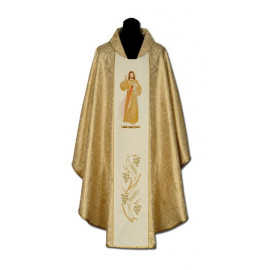
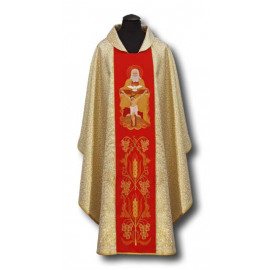
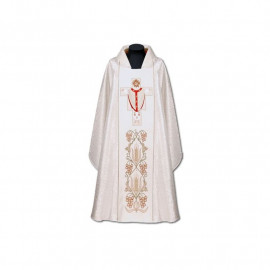
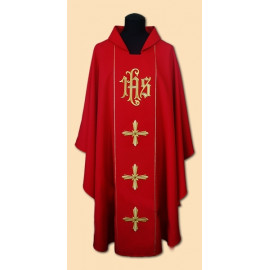
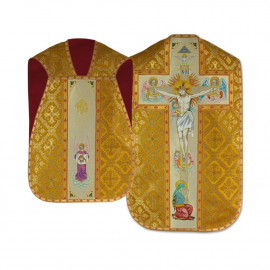
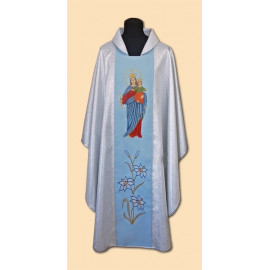
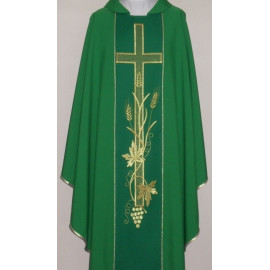
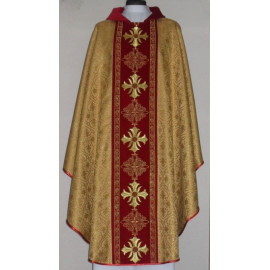
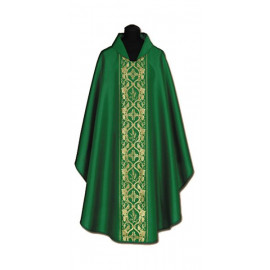
For Low Mass, you'll need the essential vestments and vessels: an embroidered liturgical chasuble, alb, stole, chalice, and paten. Optional altar bells help signal the consecration to the faithful.
Solemn Mass
The Solemn High Mass is the fullest expression of the Roman Rite. It requires a priest, deacon, and subdeacon (or instituted acolyte). Everything is sung — the prayers, the readings, the Gospel. Incense is used throughout. The ceremony is elaborate and deeply reverent.
What's Required for Each?
Low Mass: Minimum vestments (alb, stole, chasuble), chalice, paten, missal, altar bells (optional).
Solemn Mass: Full vestments for all three ministers (including dalmatic and tunicle), thurible and incense boat, additional candles, choir or schola, and more elaborate altar setup.
What I Recommend
Most parishes celebrate Low Mass for weekday celebrations and a Sung or Solemn Mass on Sundays and feast days. If your parish has the resources, celebrating a Solemn Mass on major feasts (Easter, Christmas, Corpus Christi) is a beautiful witness to the fullness of the liturgy.
Frequently Asked Questions
Q: Is a Low Mass less valid than a Solemn Mass?
A: Absolutely not. Every Mass — whether Low, Sung, or Solemn — is equally the sacrifice of Christ. The differences are ceremonial, not sacramental.
Q: Can a Solemn Mass be celebrated without a deacon?
A: In the Ordinary Form, a deacon is not required for any Mass. In the Extraordinary Form, a Solemn Mass requires a deacon and subdeacon. Without them, it would be a Missa Cantata (Sung Mass).
Conclusion
Understanding the different forms of Mass helps you appreciate the richness of the Roman Rite. Whether you're attending a quiet weekday Low Mass or a grand Solemn Mass, you're participating in the same sacrifice of Christ.
Shop Related Products
- Embroidered Liturgical Chasubles — for the celebrant priest
- Embroidered Dalmatics — for the deacon at Solemn Mass
- Liturgical Chalices — essential for every Mass
- Liturgical Patens — for the consecrated host
- Liturgical Sanctuary Bells — to signal the consecration
- Thuribles & Incense — for Solemn Mass
- Embroidered Liturgical Stoles — worn by priest and deacon