
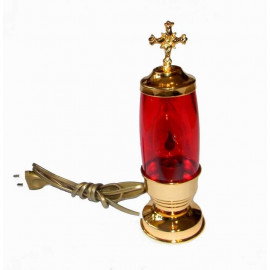
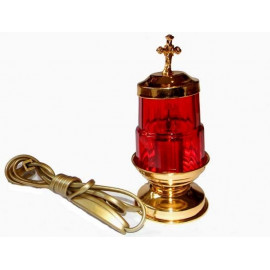
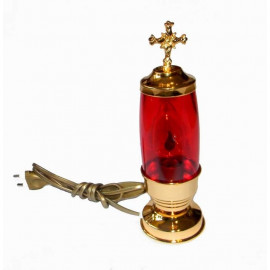
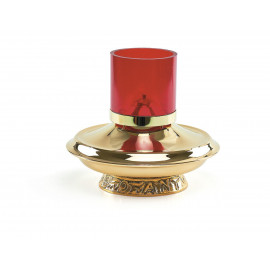
Walk into any Catholic church and look toward the tabernacle. You'll see a red light burning there — day and night, without fail. That's the sanctuary lamp, also called the eternal light or tabernacle lamp. I've been asked about this lamp more times than I can count, and the answer is both simple and deeply beautiful.
The sanctuary lamp isn't just decoration. It's a sign. It tells everyone who enters — believer or not — that something extraordinary is present in that tabernacle. The light says: Christ is here.
What Exactly Is a Sanctuary Lamp?
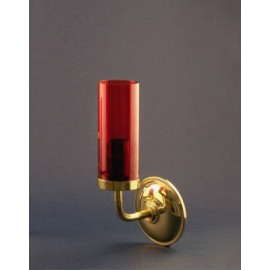
A sanctuary lamp is a special lamp, usually hanging or mounted near the tabernacle, that burns continuously to indicate the Real Presence of Christ in the Eucharist reserved there. The light is traditionally red, though you'll sometimes see white or clear glass in modern churches.
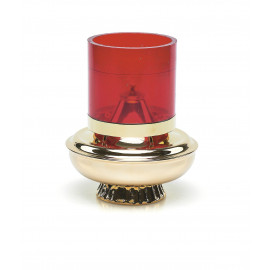
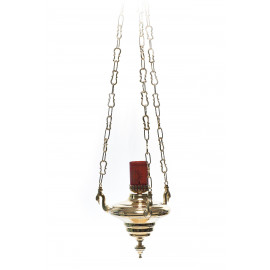
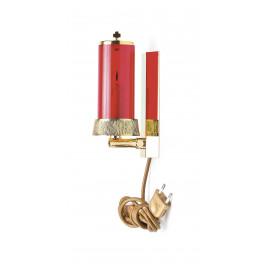
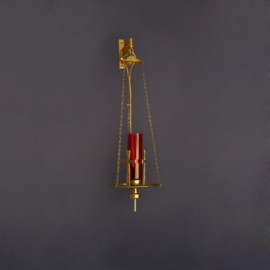
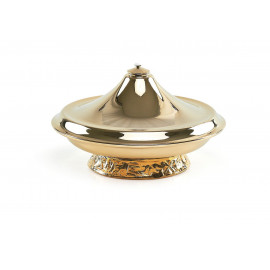
The lamp can take many forms. Some churches use ornate hanging lamps with multiple chains and decorative brasswork. Others use simple wall-mounted fixtures. I've seen everything from medieval-style oil lamps to modern electric LEDs. What matters isn't the style — it's that the light never goes out while the Blessed Sacrament is present.
Canon 940 of the Code of Canon Law requires that "in churches and oratories where the Most Holy Eucharist is reserved, there must always be someone responsible for making sure that the Eucharistic tabernacle is never left unattended." The sanctuary lamp is part of this vigil — a visible sign of the invisible presence.
Why Is the Light Red?
The red color isn't random. Red is the color of the Eucharist, of the Blood of Christ, of sacrifice and love. In the Old Testament, a perpetual fire burned on the altar of the Tabernacle (Leviticus 6:12-13). The red sanctuary lamp connects that ancient tradition to the New Covenant.
Some churches use white light instead, especially in modern or minimalist sanctuaries. White symbolizes purity and the Resurrection. Both are valid, though red remains the traditional and more common choice.
What Types of Sanctuary Lamps Are Available?
If you're looking to buy or replace a sanctuary lamp for your church, here's what you'll find:
| Type | Fuel Source | Best For | Maintenance |
|---|---|---|---|
| Oil Lamps | Liquid paraffin or olive oil | Traditional churches, authenticity | Daily refilling, wick trimming |
| Electric Lamps | LED or incandescent bulb | Modern churches, convenience | Occasional bulb replacement |
| Battery Backup Lamps | Electric with battery backup | Areas with unreliable power | Battery checks every few months |
| Solar Lamps | Solar panel with battery | Mission churches, remote locations | Panel cleaning, battery checks |
Oil lamps are the most traditional. They create a warm, flickering light that feels alive and prayerful. The downside is maintenance — someone needs to check and refill them daily. Many parishes use liquid paraffin (sometimes called "altar oil") because it burns cleanly without smoke or odor.
Electric lamps are practical. An LED sanctuary lamp can run for years on a single bulb, and you never have to worry about it going out during the night. I recommend electric for parishes that struggle with volunteer coverage or have safety concerns about open flames.
Battery backup lamps are worth considering if your area has frequent power outages. The lamp runs on electricity normally but switches to battery if the power fails. This gives you the best of both worlds.
How Do I Choose the Right Sanctuary Lamp?
Here are the questions I ask parishes when they come to me for advice:
What's your church's style? A Gothic revival church with dark wood and stone looks best with an ornate brass hanging lamp. A modern church with clean lines and white walls might look better with a simple wall-mounted fixture.
Who will maintain it? If you have sacristans or volunteers who can check the lamp daily, an oil lamp works beautifully. If staffing is tight, go electric.
What's your budget? Simple wall-mounted electric lamps start around $60-$80. Ornate hanging oil lamps in brass can run $200-$400 or more. There's something for every budget.
How high is the ceiling? Hanging lamps need enough chain to be visible but not so much that they sway or become a hazard. Measure before you buy.
Where Should the Sanctuary Lamp Be Placed?
The General Instruction of the Roman Missal (GIRM 314) states that the tabernacle "should be placed in a part of the church that is truly noble, prominent, readily visible, and decorated in a dignified manner." The sanctuary lamp should be positioned so that it clearly marks the tabernacle's location.
Traditionally, the lamp hangs from the ceiling directly in front of or beside the tabernacle. In some churches, it's wall-mounted to the left or right. The key is visibility — someone entering the church should be able to spot the light immediately and know where to direct their reverence.
What About the Fuel or Bulbs?
For oil lamps, liquid paraffin is the standard choice. It burns cleanly, doesn't produce smoke, and has no odor. You can buy it in large containers for refilling. Some churches use olive oil for symbolic reasons, but it can smoke and requires more maintenance.
For electric lamps, LED bulbs are the way to go. They last 25,000+ hours, use almost no electricity, and generate no heat. A warm white LED (2700K-3000K) gives a pleasant glow that looks like flame. Red-tinted LED bulbs are also available if you want the traditional color without the oil.
What I Recommend
For most parishes, I recommend a brass electric sanctuary lamp with a warm LED bulb and a red glass shade. It's beautiful, reliable, and low-maintenance. You get the traditional look without the daily work of an oil lamp.
If your church is very traditional and has volunteers who can handle the maintenance, an oil lamp is absolutely worth considering. The flickering flame creates an atmosphere that an electric bulb simply can't match. There's something deeply prayerful about tending that light each day.
For new parishes or mission churches on a tight budget, start with a simple wall-mounted electric lamp. You can always upgrade later as funds allow.
Frequently Asked Questions
Q: Does the sanctuary lamp have to be red?
A: No, though red is traditional. The Church's law (Canon 940) requires a lamp but doesn't specify the color. Red symbolizes the Eucharist and Christ's sacrifice. White is also acceptable and symbolizes purity.
Q: Can we use a candle instead of a lamp?
A: While candles are used in many liturgical settings, the sanctuary lamp is specifically called for by canon law as a perpetual light. A candle would burn out and need constant replacement. The lamp — whether oil or electric — is designed to burn continuously.
Q: How much does it cost to run an electric sanctuary lamp?
A: An LED sanctuary lamp uses about 3-5 watts. At average electricity rates, that's less than $5 per year. Even an incandescent bulb (which I don't recommend) would only cost about $20-$30 annually.
Q: What happens if the sanctuary lamp goes out?
A: If the light goes out due to a power failure or empty oil reservoir, it should be relit as soon as possible. If the Blessed Sacrament is still reserved in the tabernacle, the lamp should be burning. Some churches keep a backup lamp or candle ready for emergencies.
Q: Can we have more than one sanctuary lamp?
A: Yes, some larger churches have multiple lamps marking the tabernacle. This is especially common in cathedrals and basilicas. However, one properly placed lamp is sufficient for any church.
Conclusion
The sanctuary lamp is one of the simplest yet most powerful symbols in a Catholic church. That small red light speaks volumes — it says Christ is present, Christ is welcomed here, Christ is waiting for you. Whether you choose an ornate oil lamp or a practical electric fixture, what matters most is that the light never fails.
If you're looking for a sanctuary lamp for your church, browse our collection. We have options for every style and budget, and I'm always here to help if you have questions about sizing, placement, or maintenance.
If you are looking for a way to remember a loved one, a sanctuary lamp is also a meaningful memorial gift — see our guide to Catholic funeral and sympathy gifts.
Ready to choose one for your church? Browse our collection of Catholic sanctuary lamps — hanging, table, and electric eternal lights for the tabernacle.
Going deeper: choose the right format with our guides to electric sanctuary lamps, hanging a sanctuary lamp, and sanctuary lamps for the home.