

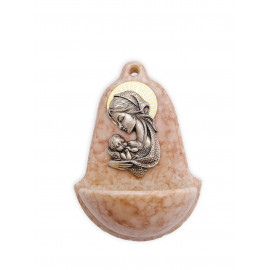
Walk into any Catholic church and you'll find holy water fonts near the entrance. They're so common that we often take them for granted. But these simple vessels carry deep meaning and deserve our attention.
What Is a Holy Water Font?
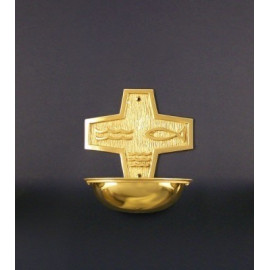
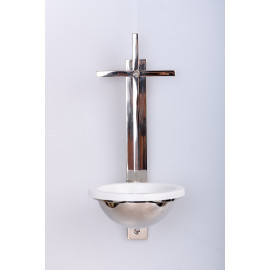
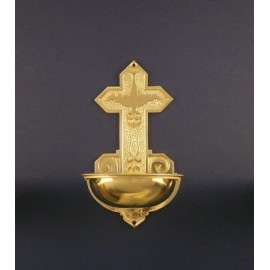
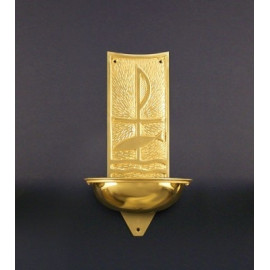
A holy water font (or stoup) is a vessel containing holy water placed near the entrance of a church. The faithful dip their fingers in it and make the Sign of the Cross as a reminder of their baptism and a preparation for worship.
Types of Holy Water Fonts
| Type | Description | Best For |
|---|---|---|
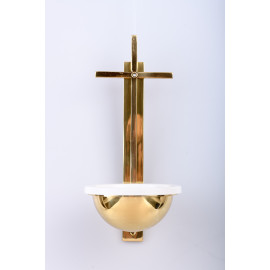
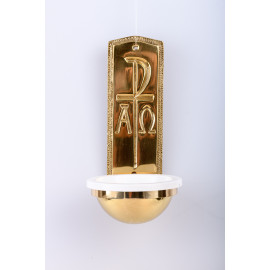
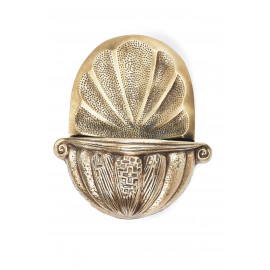
| Wall-mounted | Attached to the wall near the entrance | Small churches, narrow entryways |
| Pedestal/stand | Free-standing on a column or pedestal | Larger churches, prominent placement |
| Baptismal font | Large font used for both baptism and holy water | Churches with prominent baptistery |
| Portable | Small vessel that can be moved | Temporary setups, outdoor use |
Where to Place Holy Water Fonts
Holy water fonts should be placed near the entrance of the church — ideally on both sides of the main door. They should be at a comfortable height (about waist level) and easily accessible to all, including children and people in wheelchairs.
What I Recommend
For most parishes, I recommend wall-mounted bronze or brass fonts — they're durable, beautiful, and don't take up floor space. If your church has a prominent baptistery, consider a larger baptismal font that doubles as a holy water font.
Frequently Asked Questions
Q: How often should holy water be changed?
A: Holy water should be refreshed regularly — at least monthly, or more often if it becomes cloudy or develops an odor. The old water should be poured into the sacrarium.
Conclusion
Holy water fonts are a simple but powerful reminder of our baptism. Place them prominently, keep them clean and filled, and encourage your parishioners to use them as they enter the church.
Browse our collection of holy water fonts — wall-mounted, pedestal, and baptismal styles in bronze, brass, and marble. Pair your font with a holy water sprinkler (aspergillum) for blessings, and see our holy water pots and aspersoriums for carrying water to the home. To bless your own home with holy water, follow our guide: How to Bless Your Home with Holy Water.