

An aspergillum is the liturgical instrument used to sprinkle holy water — the small brush or perforated metal ball that a priest dips into the aspersorium and shakes over the congregation during the Rite of Asperges. It has served the Church for centuries, and it comes in more forms than most people expect. This guide explains what an aspergillum is, what it is called in Latin, how it is used and cared for, and how to choose one for a parish or a home.
What Is an Aspergillum?
An aspergillum (also written aspergil, aspergilium, or asperger) is a Christian liturgical implement used to sprinkle holy water on people, the altar, and sacred objects. The word comes from the Latin verb aspergere, "to sprinkle on" — the same root that gives the sprinkling rite its name, the Asperges. In everyday English it is simply called a holy water sprinkler.
An aspergillum never works alone: it is paired with a vessel that holds the water. That vessel is the aspersorium — a holy water bucket or pot, sometimes fitted with a removable insert so the sprinkler can rest inside between uses. The two are usually bought and stored as a set.
The Three Forms of an Aspergillum
Tradition recognizes three forms of the instrument, and all three are still in use today:
| Form | Description | Typical use |
|---|---|---|
| Hyssop branch | A fresh sprig of hyssop, dipped and shaken | The earliest form; Holy Week |
| Brush aspergillum | Natural bristles — boar, horsehair, or rice fiber — set in a metal or wooden handle | The most common form in Catholic parishes |
| Perforated ball aspergillum | A hollow metal ball with small holes, often with an internal sponge reservoir | Large churches; a wide, even sprinkling |
The hyssop branch is the earliest form — the psalmist's "purge me with hyssop" — and is still used in some Holy Week ceremonies. The brush style absorbs water in its bristles and releases it when the instrument is shaken. The perforated ball holds water inside; shaken, it sprays through the holes. A funeral sprinkler is simply a small version of these forms, sized for graveside blessings.
Aspergillum vs Aspersorium: What's the Difference?
The two names are often confused because they are used together, but they refer to two different objects. The aspergillum is the sprinkler — the instrument that throws the water. The aspersorium is the container — the pot or bucket that holds the water and receives the sprinkler between uses. When you see a priest walking through the church during the Asperges, the aspergillum is in his right hand and the aspersorium in his left.
How Is an Aspergillum Used?
The best-known use is the Rite of Asperges (from the Latin Asperges me, Domine, hyssopo), the sprinkling of the congregation before the principal Sunday Mass and during the Easter season. The priest carries the aspergillum in one hand and the aspersorium in the other, walking through the church sprinkling the people while the choir sings the Asperges me. The same instrument is used at the Easter Vigil, in processions, for the blessing of homes, cars, and religious articles, and at funerals and the blessing of graves.
To use it, dip the head into the holy water, lift it, and shake it gently toward the people or the object being blessed. Dip only the bristles or the perforated ball — never submerge the handle — and shake off the excess water before the sprinkler is put away.
How to Care for a Holy Water Sprinkler
After use, shake out the excess water and blot the head on a clean cloth. Store the sprinkler dry — never leave it wet inside a closed box, where trapped moisture dulls the finish. Wipe brass and nickel-plated surfaces with a soft cloth; use a light silver polish on silver-toned pieces, and avoid abrasive cleaners that can rub through the plating. Bristles can be rinsed in clean water and combed back into shape, and a splayed brush can be trimmed lightly. For more on keeping the metalwork of the sacristy bright, see our guide to cleaning and maintaining a thurible.
Choosing an Aspergillum for Your Parish
Choose the size by the length of the instrument and the space it serves. A 9 cm sprinkler is a compact graveside or home-blessing piece. The 12–17 cm range is the everyday parish size and fits most aspersoria. A 20.5–26 cm sprinkler with a perforated head gives the widest reach for a large church or a bishop's blessing. For materials, brass gives a warm gold tone and nickel-plating a bright silver one — match the sprinkler to the holy water pot and the other vessels of the sacristy.
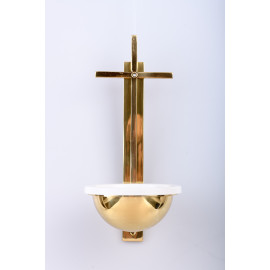
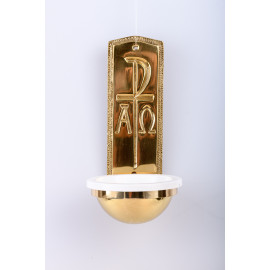
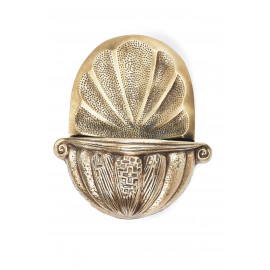
Browse our aspergillum collection — eleven handmade sprinklers in brass, nickel, and silver, from $60 — and pair one with a holy water font for the church entrance, or see our guide to choosing a holy water font.
Frequently Asked Questions
Q: What is a Catholic aspergillum?
A: A Catholic aspergillum is a holy water sprinkler — the brush or perforated ball a priest dips into holy water and shakes over the congregation, the altar, and objects during the Asperges, the Easter Vigil, and blessings of homes and graves.
Q: Where can I buy an aspergillum?
A: Handmade aspergillums are available from liturgical suppliers; Best Catholic Shop carries eleven models made in Poland, in stock and shipping from the United States.
Q: Can I sprinkle holy water on myself?
A: Yes. When no priest is present, a layperson may take holy water with a small sprinkler or their fingers and bless themselves with the Sign of the Cross, or sprinkle a home while praying.
Q: What prayer is said when sprinkling holy water?
A: The traditional prayer is the Asperges me — "Purge me with hyssop, O Lord, and I shall be clean" — sung or said during the sprinkling. For a home blessing, the usual form is the blessing of the house with holy water.
Q: How do you clean a holy water sprinkler?
A: Rinse the bristles or ball in clean water, blot them dry on a soft cloth, and wipe the metal with a soft cloth. Never store the sprinkler wet, and avoid abrasive cleaners on plated finishes.
Conclusion
The aspergillum is a small instrument with a large role: it carries the water of baptism through the church, the home, and the cemetery. Whether you serve a cathedral or keep a small sprinkler for the family's holy water, choose a piece that is well made and cared for — it will serve the liturgy for decades. Explore our holy water sprinklers to find the right size and finish for your parish.