




The vestments worn by Catholic clergy today are the result of 2,000 years of development. They didn't appear fully formed — they evolved, adapted, and were shaped by culture, theology, and practicality. Here's the full story.
The Early Church (1st-4th Centuries)
In the first centuries, clergy wore the same clothing as everyone else — the Roman tunic, toga, and pallium. There were no distinct liturgical vestments. The bishop's pallium (a woolen scarf) was the first garment to take on a specifically liturgical meaning.
The Late Roman Period (4th-6th Centuries)
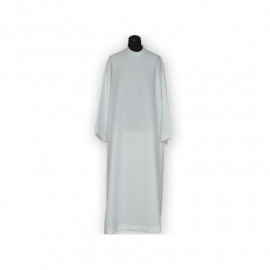
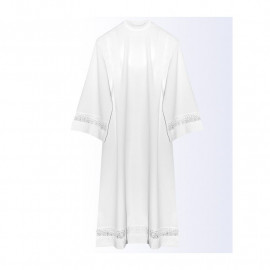
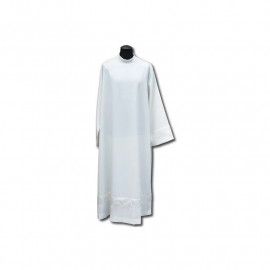
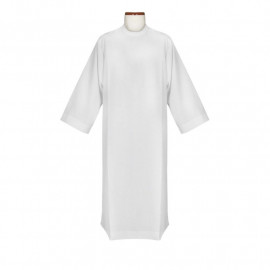
As the Roman Empire Christianized, everyday Roman clothing began to change — but the Church kept the old styles. The tunica (tunic) became the alb. The paenula (a round cloak) became the chasuble. The orarium (a scarf) became the stole. What was once everyday dress became sacred dress.
The Medieval Period (7th-15th Centuries)
During the Middle Ages, vestments became more elaborate. The chasuble was gradually reduced in size for practical reasons. The dalmatic was adopted by deacons. The cope became the standard processional vestment. Embroidery, gold thread, and precious stones adorned the vestments of cathedrals and wealthy parishes.
The Post-Tridentine Period (16th-20th Centuries)
After the Council of Trent (1545-1563), vestments were standardized across the Roman Rite. The Roman-style chasuble (stiff, shield-shaped) became the norm. Colors were codified. Rubrics specified exactly what was worn and when. This system remained largely unchanged until Vatican II.
The Post-Vatican II Period (1965-Present)
After Vatican II, there was a renewed interest in historical vestment styles. The Gothic chasuble (fuller, more flowing) was revived. Simpler designs became popular. The emphasis shifted from ornamentation to dignity and functionality. Today, both Roman and Gothic styles coexist, and parishes choose based on their needs and preferences.
What I Recommend
Understanding the history of vestments deepens your appreciation for them. Every chasuble, stole, and dalmatic you wear carries 2,000 years of tradition. Whether you prefer the Roman, Gothic, or modern style, you're participating in a living tradition that connects you to the apostles.
Frequently Asked Questions
Q: Which vestment style is most "authentic"?
A: The earliest vestments were simple, flowing garments — closer to the Gothic style than the Roman. But "authentic" isn't the only criterion. The Church permits multiple styles, and each has its own beauty and utility.
Conclusion
The evolution of liturgical vestments is the story of the Church itself — adapting, preserving, and sanctifying the culture of each age. Every time you vest for Mass, you're wearing history.
Shop Related Products
- Embroidered Liturgical Chasubles — classic styles for every season
- Embroidered Roman Chasubles — traditional shield-shaped design
- Semi-Gothic Chasubles — flowing, elegant style
- Embroidered Dalmatics — for deacons
- Embroidered Liturgical Clergy Copes — for processions and Benediction
- Embroidered Mitres — for bishops
- Embroidered Liturgical Stoles — worn by priests and deacons
- Clergy Albs & Apparel — base vestment for all clergy
- Hangers for Vestments — proper storage