
There's something deeply atmospheric about the smell of incense rising in a Catholic church. The smoke curls upward, the thurible swings on its chains, and the altar is enveloped in a cloud of fragrant smoke. It's one of the most sensory experiences in the liturgy — and it's also one of the most misunderstood.
I've seen thuribles used beautifully, and I've seen them used... well, let's just say not every sacristan is a thurifer expert. But the good news is that learning to use a thurible isn't hard. With a little practice, anyone can do it properly. Here's what you need to know.
What Is a Thurible?
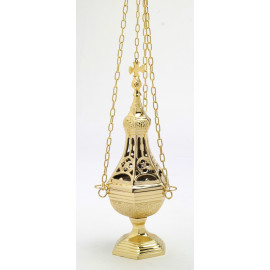
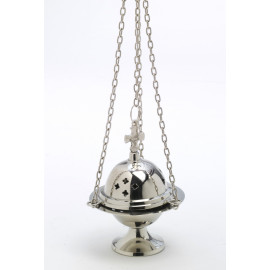
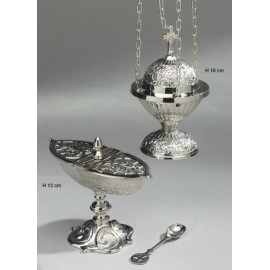
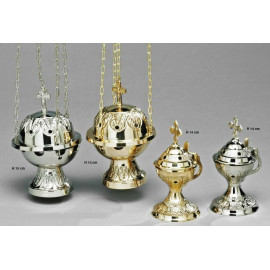
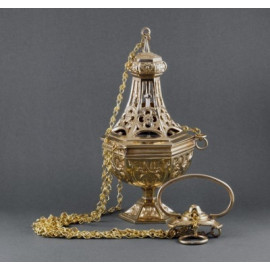
A thurible (also called a censer) is a metal vessel suspended from chains, used to burn incense during liturgical celebrations. It typically has a bowl for holding the burning charcoal and incense, a lid with holes to let the smoke escape, and three or four chains for swinging.
The word comes from the Latin "thuribulum," which itself comes from "thus," meaning incense. The thurible has been used in Christian worship since at least the 4th century, and its use goes back even further to the Jewish Temple, where incense was burned on the golden altar (Exodus 30:1-10).
What Do You Need to Use a Thurible?
Here's the basic setup:
| Item | Purpose |
|---|---|
| Thurible (censer) | The metal vessel that holds the charcoal and incense |
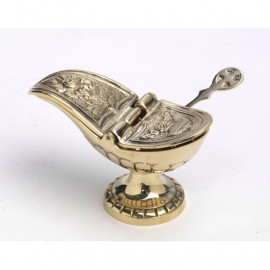
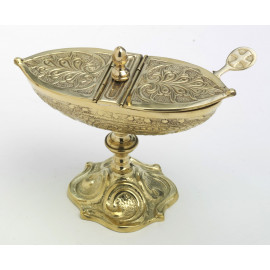
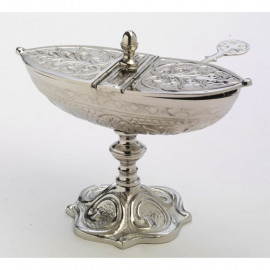
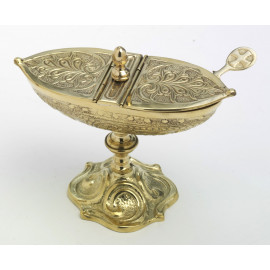
| Incense boat (navicula) | A small container that holds the loose incense grains |
| Charcoal discs | Self-igniting charcoal that burns hot enough to vaporize the incense |
| Loose incense grains | The fragrant resin that produces the smoke |
| Tongs or spoon | For handling the hot charcoal and scooping incense |
| Heat-resistant mat | To place the thurible on when not in use |
Step-by-Step: How to Use a Thurible at Mass
Here's the basic process, from start to finish:
1. Prepare the Charcoal
Before Mass begins, light a charcoal disc. Self-igniting charcoal is the easiest to use — just hold a flame to the edge until it sparks and begins to glow. It takes about 2-3 minutes to fully ignite. Place the glowing charcoal in the thurible bowl.
Pro tip: Put a small amount of sand or salt in the bottom of the thurible before adding the charcoal. This protects the bowl from heat damage and makes cleanup easier.
2. Add the Incense
When it's time to incense (usually at the entrance, the Gospel, the gifts, and the consecration), the thurifer approaches the priest with the thurible and the incense boat. The priest places a spoonful of incense onto the charcoal, and the thurifer says a brief prayer (traditionally: "May the Lord bless this incense, and may it rise as a sweet fragrance in His sight").
3. Swing the Thurible
Hold the chains in one hand, just below the top ring. With the other hand, gently pull the thurible back and release it, letting it swing forward. The motion should be smooth and controlled — not wild or erratic. The swinging feeds oxygen to the charcoal and keeps the incense burning.
For the altar: three double swings (or three single swings, depending on local custom). For the priest: three swings. For the congregation: one or two sweeps of the thurible.
4. When to Incense During Mass
Here's when incense is typically used:
- Entrance procession: The thurible incenses the altar as the priest approaches.
- Gospel: The deacon or priest incenses the Book of the Gospels before proclaiming the Gospel.
- Offertory: The gifts (bread and wine) are incensed, then the priest, then the congregation.
- Consecration: Some parishes incense the host and chalice after the consecration.
- Benediction: The Blessed Sacrament is incensed during exposition and benediction.
What About the Incense Boat?
The incense boat (or navicula) is a small container that holds the loose incense grains. It's usually shaped like a little boat — hence the name. The boat has a small spoon attached or stored inside, which is used to scoop incense onto the charcoal.
When approaching the priest, the thurifer holds the thurible in one hand and the boat in the other. The priest takes the spoon, adds incense to the charcoal, and the thurifer closes the lid and begins swinging.
How Do I Maintain a Thurible?
Thuribles are pretty durable, but they do need some care:
Clean the bowl regularly. Ash and resin buildup can clog the holes and affect the burn. Empty the bowl after each use and wipe it out with a dry cloth. For stubborn residue, use a mild soap and warm water — but make sure the thurible is completely dry before the next use.
Check the chains. The chains should move freely and not be tangled. If they're stiff, a drop of oil on the rings will help. Make sure the attachment points are secure — you don't want the bowl detaching mid-swing.
Polish the exterior. Brass thuribles benefit from occasional polishing to keep their shine. Silver-plated thuribles should be polished with a silver cloth. Don't use abrasive cleaners — they'll scratch the finish.
What I Recommend
For parishes just starting with incense, I recommend a simple brass thurible with four chains and a matching incense boat. Four chains give you more control than three, and brass is durable and affordable. Self-igniting charcoal discs are the easiest to use — no need for a separate brazier or flame.
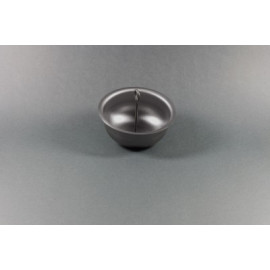
For prayer at home, where a swinging thurible is impractical, a small lidded home incense burner works the same way on a tabletop.For the incense itself, start with a classic blend like frankincense or a liturgical blend (often a mix of frankincense, myrrh, and other resins). Avoid cheap incense that produces thick, acrid smoke — it should be fragrant and pleasant.
Frequently Asked Questions
Q: Can anyone use a thurible?
A: Yes, though it's typically done by an instituted acolyte or a trained server. The thurifer should practice the swinging motion before using it at Mass. It's not complicated, but it does take a little coordination.
Q: Is incense required at every Mass?
A: No, incense is optional in the Ordinary Form of the Roman Rite. It's permitted but not required. Some parishes use it every Sunday, others only on solemnities, and some not at all. It's a matter of local custom and the priest's preference.
Q: What's the difference between a thurible and a censer?
A: Nothing — they're the same thing. "Thurible" is the more common term in Catholic usage. "Censer" is used more broadly across Christian denominations and other religions.
Q: How much does a thurible cost?
A: Entry-level brass thuribles start around $60-$100. Mid-range options with better craftsmanship run $120-$250. Ornate silver-plated or hand-crafted thuribles can cost $300 and up. A matching incense boat adds $20-$50.
Conclusion
Using a thurible is one of the most rewarding roles in the liturgy. The smell of incense, the visual beauty of the rising smoke, the connection to centuries of worship — it all comes together in this ancient practice. With a little practice, you'll be swinging that thurible with confidence and grace.
If you're looking for a thurible, incense boat, or charcoal for your parish, take a look at our collection. We have everything you need to get started.