

Why the Veil Follows the Liturgical Color
The chalice veil is a liturgical textile, so its color follows the same logic as the vestments and the altar cloth. GIRM 118 allows the veil to be the color of the day or white. A sacristy that keeps the main colors on hand can dress the chalice for the season without improvising.
The veil is not the only colored textile at Mass. The chasuble, stole, altar cloth, and burse also carry the color of the day. When they match, the sanctuary reads as one liturgical composition rather than a collection of unrelated objects.
White and Gold
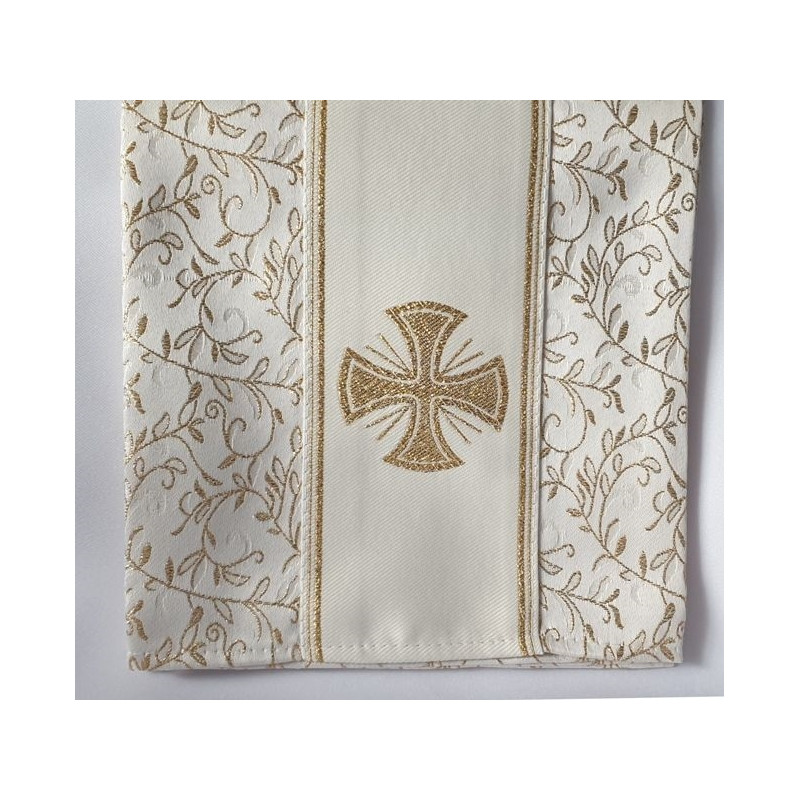
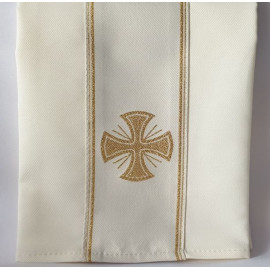
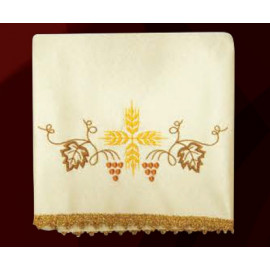
White is the color of Christmas, Easter, feasts of the Lord, feasts of the Blessed Virgin Mary, and many solemnities. A white or ecru veil is the safest single veil for a parish because it works for the greatest number of celebrations.
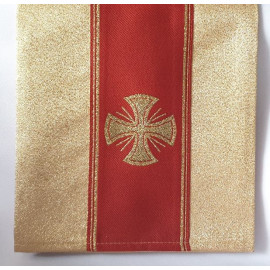
Gold is often used for solemnities and can replace white where local custom permits. A gold veil is not a separate liturgical color in the same way as white, red, green, or violet; it is a festive treatment of the white/gold family. Our chalice veil collection includes ecru and gold-toned options.
Red
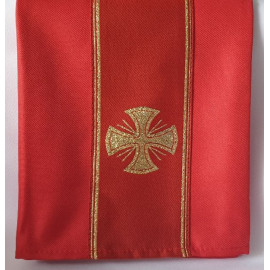
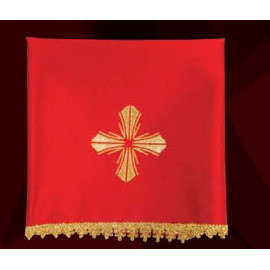
Red is used for Pentecost, Good Friday, Palm Sunday, feasts of martyrs, and confirmations. A red veil makes the chalice visually connected to the red vestments of those celebrations.
Red is also a practical color for a parish that celebrates confirmations and martyrs' feasts throughout the year. If you keep only four veils, red belongs in the set.
Green
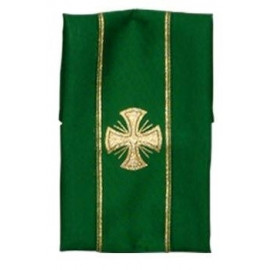
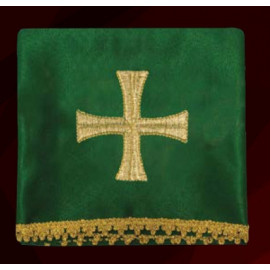
Green is the color of Ordinary Time. It is the most frequently used color in many parishes, which makes a green veil a workhorse rather than a seasonal extra. A green veil should be durable and easy to care for because it will be used for many weeks.
Green is not a "less solemn" color. It is the color of growth and discipleship, and it gives the chalice a calm, consistent setting through the long stretches of the liturgical year.
Violet and Rose
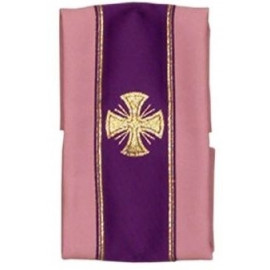
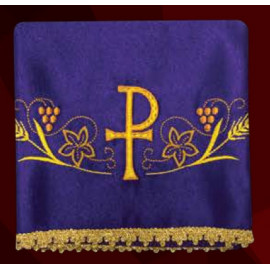
Violet is used in Advent and Lent, and at Requiem Masses in many places. Rose may be used on Gaudete Sunday in Advent and Laetare Sunday in Lent, where the parish has rose vestments. A rose veil is a niche item, but it completes the set for parishes that follow the traditional usage.
Violet and rose are often stored together because they appear in the same seasons. Keep them clean and separate from black, which is used for funerals.
Black
Black is used for Requiem Masses, funerals, and All Souls' Day. A black veil should be dignified and opaque; it is not a general-purpose dark veil. If your parish celebrates funerals regularly, keep a black veil with the black vestments so the sacristy does not have to search for it.
Matching the Vestments and Burse
The veil should match the vestments, but it should also match the burse and, where possible, the pall. A matching set looks intentional and makes the sacristy work easier. Our Marian chasubles and chalice palls can be coordinated with a veil in the same color family.
If you are building a parish set, start with the colors you use most: green, white, red, and violet. Add rose and black only if your parish actually uses them. A smaller set that is complete and clean is better than a large set that is missing pieces.
Practical Sacristy Notes
Keep veils in labeled sleeves or drawers by color. Store white and ecru separately from black, and keep the burial set together so it is ready when it is needed. Before Mass, check the veil for creases, loose lace, and missing embroidery; a quick check prevents an awkward moment at the altar.
If you buy for a parish, write the color and size on the storage sleeve. A simple inventory card can record which veil belongs to which chalice and burse, especially when several priests or sacristans prepare the altar. The goal is not a large collection but a set that is complete, clean, and easy to find.
- Green — Ordinary Time; keep at least two if the parish uses green for many weeks.
- White or ecru — Christmas, Easter, Marian feasts, and solemnities.
- Red — Pentecost, Good Friday, confirmations, and martyrs' feasts.
- Violet — Advent, Lent, and Requiem Masses where violet is used.
- Rose and black — only if the parish actually uses them.
Frequently Asked Questions
Q: What color chalice veil should I use?
A: Match the liturgical color of the day, or use white. GIRM 118 allows either the color of the day or white.
Q: Can a chalice veil be gold?
A: Gold is often used for solemnities as a festive treatment of the white/gold family. It is not a separate liturgical color in the same sense as green, red, or violet.
Q: Do I need a black chalice veil?
A: Only if your parish celebrates Requiem Masses or funerals with black vestments. Many parishes keep one black veil with the funeral set.
Q: How many chalice veils should a parish keep?
A: A practical minimum is green, white, red, and violet. Add rose and black if your parish uses them.
Q: Should the veil match the burse?
A: It should match the vestments first, and matching the burse is a good practice. A coordinated veil and burse make the chalice set look intentional.
