
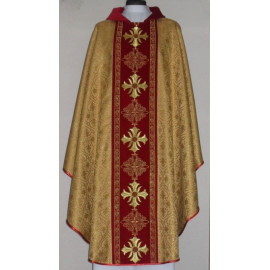
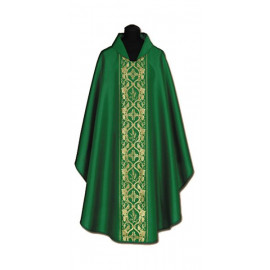
Every liturgical color carries deep theological meaning. Understanding these meanings enriches your participation in the liturgy and helps you choose vestments with intention.
The Six Liturgical Colors and Their Meanings
| Color | Meaning | When Used |
|---|---|---|
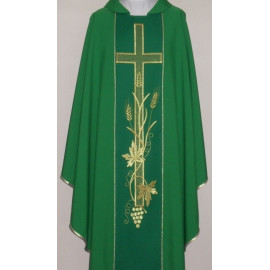
| Green | Hope, growth, ordinary life | Ordinary Time |
| Violet | Penitence, preparation, sacrifice | Advent, Lent |
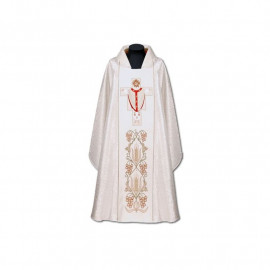
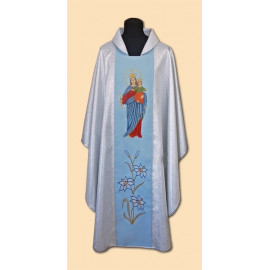
| White | Purity, joy, glory, Resurrection | Christmas, Easter, Marian feasts |
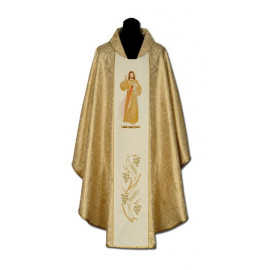
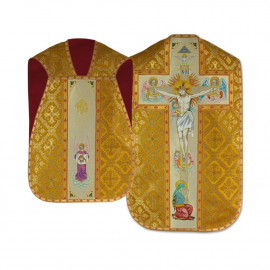
| Gold | Same as white, but more solemn | Most solemn feasts |
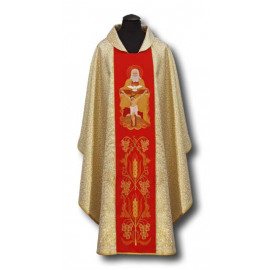
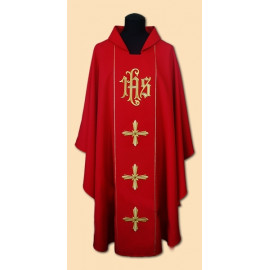
| Red | Fire, blood, martyrdom, Holy Spirit | Pentecost, Good Friday, martyrs |
| Black | Mourning, death | Funerals, All Souls |
| Rose | Joy in penitence | Gaudete and Laetare Sundays |
What I Recommend
Keep a liturgical calendar handy and check the color for each day. Browse our liturgical stoles in every color. Over time, the colors will become second nature. And when in doubt, the General Instruction of the Roman Missal (GIRM 346) has the complete list.
Frequently Asked Questions
Q: Why does the Church use colors at all?
A: Colors are a visual language. They teach the faithful about the mystery being celebrated without a single word. They connect us to the universal Church and to centuries of tradition.
Conclusion
The colors of the liturgy are a beautiful and ancient tradition. Wear them with understanding, and they will deepen your participation in the mysteries you celebrate.
Browse our vestment collection — available in every liturgical color.
For the cope in each color, see our Catholic cope collection.