
Hanging a chasuble takes ten seconds and decides whether the garment looks pressed at the next Mass. The routine below is the one used in parish sacristies: five steps, no special equipment, and one rule that matters more than the rest — never lift a chasuble by the neck or the orphrey.
Step 1: Choose a Hanger as Wide as the Shoulder Seam
Lay the chasuble flat and measure from shoulder seam to shoulder seam. Most chasubles measure 48–54 cm, which is why a 52 cm hanger fits them. A standard coat hanger is 40–42 cm and is simply too narrow: the shoulder folds over the ends and creases where the embroidery sits.
If you are unsure of the size, our vestment hanger size guide walks through the measurement. The short version: 52 cm for chasubles and dalmatics, 56 cm for surplices and albs.
Step 2: Lift the Chasuble by the Shoulders, Not the Neck
Slide both hands under the shoulders of the garment and lift it as a whole. Lifting by the neck opening or by the embroidered orphrey puts the entire weight of the vestment on a few stitches, and over time the appliqué work separates from the base fabric.
The same rule applies when taking the chasuble off: support the shoulders, then lay it down.
Step 3: Seat the Hanger Under the Shoulder Line
Place the hanger on the table, lay the chasuble over it face down, and centre the hanger under the shoulder seam — not under the neck. The arms of the hanger should follow the shoulder line exactly, with the same overhang on both sides.
Then lift the hanger, not the garment. The chasuble should settle into place without being pulled.
Step 4: Leave Space in the Cupboard
Hang the chasuble with a hand's width of air on each side. Vestments pressed together trap moisture, crush the embroidery of the neighbouring garment and make it impossible to take one out without disturbing the rest. Store them in liturgical colour order so a set can be found without handling everything else.
Keep the cupboard ventilated and out of direct sunlight. Sun fades dyed silk and dulls gold thread faster than any other factor in a sacristy.
Step 5: Use a Breathable Garment Bag for Ornate Pieces
Heavily embroidered chasubles benefit from a breathable garment bag — cotton or a woven fabric, never plastic. Plastic traps humidity against the embroidery and encourages mildew in the folds. For the full care routine, see our guide to caring for embroidered vestments.
What to Avoid
- Wire hangers — narrow, concentrated load, rust risk in a damp sacristy.
- Plastic hangers — bend under a brocade chasuble and stay bent.
- Folding over a rail — a fold through the embroidery becomes permanent.
- Plastic bags — trap moisture against the fabric.
- Hanging by the neck — stretches the neckline and stresses the stitching.
The Right Hanger
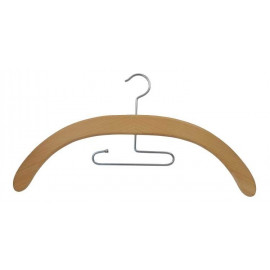
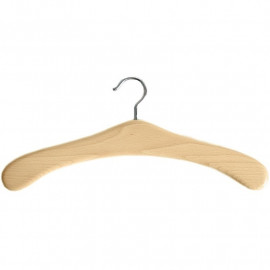
A chasuble hanger should be wide, solid and smooth. Our wooden vestment hangers are cut from solid beech, finished with clear varnish and sized at 52 cm for chasubles and 56 cm for surplices. Both are in stock.
Frequently Asked Questions
Q: Can I hang a chasuble on a coat hanger overnight?
A: Overnight is better than folding it, but the shoulder still folds over the ends of a 40–42 cm hanger. Use a wide hanger for anything longer than a few hours.
Q: Should a chasuble be hung inside out?
A: No. Hang it right side out so the embroidery is not pressed against the hanger or the neighbouring garment.
Q: How do I remove a crease from a chasuble?
A: Light steam from a distance, never direct ironing on the embroidery. If the crease has set into gold thread, consult a specialist cleaner rather than pressing it yourself.
Q: How many chasuble hangers should a parish keep?
A: One per chasuble plus two spares per liturgical colour, so a set can be moved without folding.
Q: Can I hang a dalmatic the same way?
A: Yes — same 52 cm hanger, same lift by the shoulders. Dalmatics have wider sleeves, so leave a little more space on each side in the cupboard.
