







Renovating a church is a big undertaking. Whether you're updating the sanctuary, replacing vestments, or furnishing a new parish, you need a plan. Here's my comprehensive checklist to make sure nothing falls through the cracks.
For understanding the liturgical requirements, see our guide on understanding the GIRM.
Phase 1: Planning (6-12 Months Before)
- Form a renovation committee (pastor, finance council, liturgy committee)
- Hire a liturgical consultant or architect familiar with Catholic worship spaces
- Review the General Instruction of the Roman Missal (GIRM) for requirements
- Set a budget — include a 15-20% contingency for unexpected costs
- Get diocesan approval (required for major renovations)
Phase 2: Sanctuary and Altar (3-6 Months Before)
| Item | Notes |
|---|---|
| Altar | Must be fixed, made of natural stone, and consecrated |
| Ambo (lectern) | Dignified, permanent, suitable for proclaiming the Word |
| Tabernacle | Secure, noble, properly placed (GIRM 314) |
| Sanctuary lamp | Required near the tabernacle (Canon 940) |
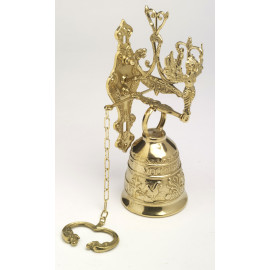
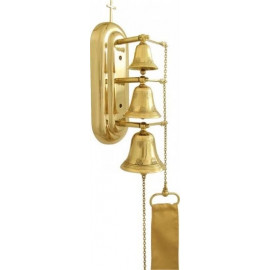
| Altar bells | Optional but traditional |
| Candlesticks | At least 2 for Mass, more for solemn celebrations |
| Crucifix | Required on or near the altar (GIRM 308) |
Phase 3: Vestments and Vessels (1-3 Months Before)
- Inventory existing vestments — replace worn or damaged items
- Ensure you have vestments in every liturgical color (green, violet, white, red) — browse our chasuble collection
- Check chalices, ciboria, and patens — re-gild if the interior plating is worn
- Order new altar linens (corporals, purificators, palls, altar cloths)
- Consider a new monstrance if Eucharistic adoration is planned
Phase 4: Final Preparations (1 Month Before)
- Deep clean the entire church
- Polish all sacred vessels
- Press and inspect all vestments
- Test sound system and microphone
- Arrange for the bishop to bless the renovated space
What I Recommend
Don't rush the planning phase. A well-planned renovation saves money, avoids mistakes, and ensures liturgical compliance. Hire professionals who understand Catholic worship spaces — not every architect does.
For a complete home prayer space setup, also see our guide on how to setup a home altar.
Frequently Asked Questions
Q: Do I need diocesan approval for a renovation?
A: For major renovations (structural changes, altar replacement, sanctuary reconfiguration), yes. For cosmetic updates (painting, new carpet), usually not. Check with your diocese.
Q: How much does a church renovation cost?
A: It varies wildly. A simple sanctuary update might cost $10,000-$30,000. A full renovation can run $100,000-$500,000+. Get multiple quotes and plan carefully.
Related Products
Essential church furnishings for renovation:
- Sanctuary Lamps — required near tabernacle
- Candlesticks — for Mass
- Crucifixes — required on altar
- Chalices — sacred vessels
- Ciboria — for consecrated hosts
- Monstrances — for adoration
- Vestments — all liturgical colors
- Altar Linens — corporals, purificators, palls
Conclusion
A church renovation is an opportunity to create a worship space that truly serves the liturgy. Plan carefully, budget realistically, and keep the focus on what matters most: the worship of God and the sanctification of the faithful.
Browse our collection of church furnishings — sanctuary lamps, altar vessels, vestments, and everything you need for a beautiful, compliant worship space. For liturgical requirements, see our GIRM guide.