


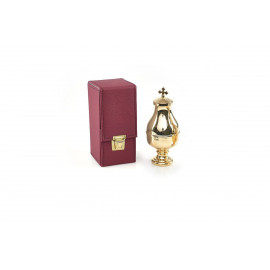
A chrismarium — also called a chrismal, chrismatory, or simply a holy oil stock — is the vessel that holds the holy oils used in the sacraments of the Catholic Church: Sacred Chrism, the Oil of the Catechumens, and the Oil of the Sick. The Church counts the chrismarium among its sacramentals: a dedicated, reverent container that keeps each oil clean, clearly labeled, and ready for use in baptism, confirmation, the anointing of the sick, and ordination.
Many Names for One Vessel
The chrismarium has carried several names through history, and church supply catalogs today still use most of them:
- Chrismarium — the classical name, from chrism, the consecrated oil used in baptism, confirmation, and ordination.
- Chrismal and chrismatory — older English variants of the same word.
- Oil stock — the standard modern term in church goods catalogs, especially for the small portable vessels used in the sacristy and on sick calls.
- Holy oil container or holy oil vessel — descriptive terms you will see in most online stores.
Whatever the name, the object is the same: a vessel — or a set of vessels — reserved for the holy oils and for nothing else.
What Does a Chrismarium Hold? The Three Holy Oils
A complete chrismarium holds the three oils blessed or consecrated by the bishop at the Chrism Mass in Holy Week:
- Oil of the Catechumens (OC) — used in the anointings that prepare for baptism, and at the ordination of priests.
- Oil of the Sick (OI or OS) — used in the Anointing of the Sick, for strength and healing of body and soul.
- Sacred Chrism (SC) — olive oil mixed with balsam, used in baptism, confirmation, holy orders, and the consecration of churches and altars.
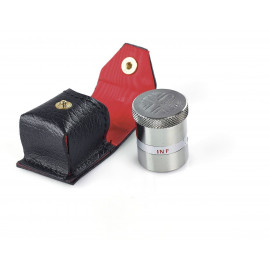
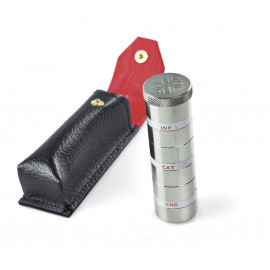
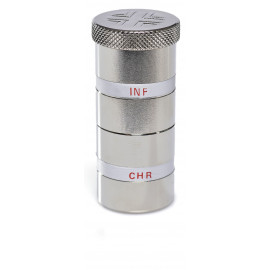
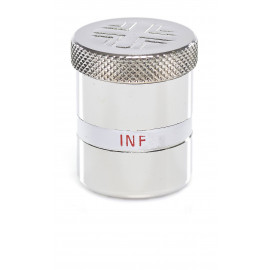
Because the three oils are not interchangeable, a good chrismarium is built to keep them distinct: separate compartments or separate vessels, each one labeled. On sets from Italy and Poland you will usually see the Latin abbreviations INF (oleum infirmorum — the sick), CAT (oleum catechumenorum — catechumens), and CHR (chrisma — chrism); some suppliers use OI, OC, and SC instead.
Chrismarium vs. Ambry: What Is the Difference?
The two terms are often confused. A chrismarium is the vessel itself — the container you can pick up and carry. An ambry is the fixed, usually locked cupboard or recess in the church wall — most often in the sanctuary or sacristy, near the baptismal font — where the vessels are reserved between celebrations. In older usage, "chrismarium" could also mean the place in a church set apart for the administration of confirmation; today, "ambry" is the standard word for that place.
In practice, most parishes use both: the oils are reserved in the ambry or a secure sacristy cabinet, and the oil stocks are the vessels the priest takes to the font, the hospital, or a home visit. You can read more in our guide Oil Stock vs. Ambry: Where and How Holy Oils Are Kept.
Forms and Materials
Chrismariums come in several configurations:
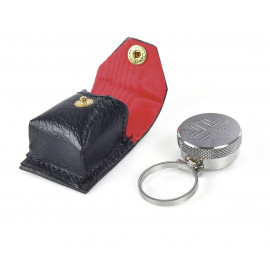
- Single oil stock — one vessel, one oil. Many have a finger ring so the priest can carry the Oil of the Sick on hospital and home visits.
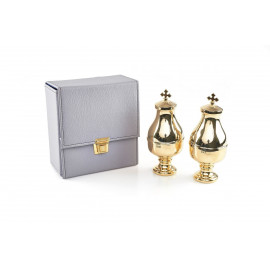
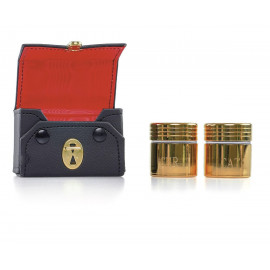
- Double oil stock — two vessels or two compartments, for example the oils kept at the baptismal font.
- Triple oil stock — the complete set for the sacristy: chrism, catechumens, and the sick in one unit or case.
Nickel, brass, and gold-plated finishes are the traditional choices because they are durable and easy to clean. Many models hold the oil in a removable glass cartridge or insert, which lifts out for washing and refilling — a practical detail worth looking for. Sets are usually supplied in a leather case or pouch that keeps the vessels together and protected in travel.
How to Choose a Chrismarium
Three questions settle most choices: How many oils do you need to keep together? A parish sacristy normally needs a triple stock; a baptismal font area may need only two oils; a priest's sick call bag needs a single stock with a ring. Do the labels match your diocese's practice? INF/CHR/CAT and OI/OC/SC are both in use — what matters is that each oil is unmistakably identified. How will it be cleaned and refilled? Look for tight-fitting caps and, where possible, glass cartridges.
Our holy oil stock collection includes 25 single, double, and triple vessels in silver, nickel, and gold-plated finishes, with cases and glass-cartridge options, from $32.
Frequently Asked Questions
Q: What is a chrismarium in the Catholic Church?
A: A chrismarium is a container for the holy oils — Sacred Chrism, the Oil of the Catechumens, and the Oil of the Sick. The Church counts it among its sacramentals, and it is used to store and carry the oils for the sacraments.
Q: Is a chrismal the same as a chrismarium?
A: Yes. "Chrismal," "chrismatory," "chrismarium," and "oil stock" are different names for the same vessel — a dedicated container for the holy oils. Modern catalogs most often use "oil stock."
Q: Why are holy oils kept in metal vessels?
A: Metal — nickel, brass, or gold-plated — is durable, does not react with the oil, and protects the oil from light, dust, and breakage. Glass cartridges inside metal housings combine easy cleaning with the protection of a metal exterior.
Q: How is a chrismarium cleaned?
A: Wash the vessel and cartridge with warm water and mild soap, rinse thoroughly, and dry completely before refilling. The wash water should be poured into the sacrarium, not an ordinary drain, because it has touched the holy oils. Oil that has been used should never be returned to the stock.
Q: How often should the oils in a chrismarium be replaced?
A: The holy oils are renewed annually — parishes receive newly blessed oils at the Chrism Mass in Holy Week, and the previous year's oils are disposed of according to diocesan custom, usually by burning.
