

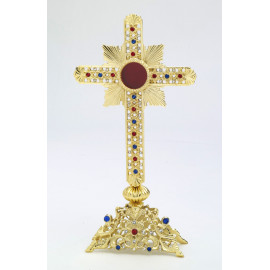
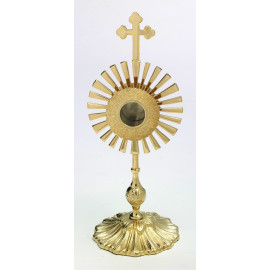
The short answer is no: a Catholic relic cannot be bought or sold. Canon 1190 §1 of the Code of Canon Law states that it is absolutely forbidden to sell sacred relics. What can be bought and sold is the reliquary — the vessel that holds the relic — and the art, metalwork and craftsmanship that go into it.
The distinction matters because the internet is full of listings that blur it. A seller may offer “a reliquary with relic” or “a first-class relic” as if the relic were part of the merchandise. For a Catholic, that is not a normal transaction; it is a warning sign.
What Canon 1190 Says
Canon 1190 §1 is brief and absolute: “It is absolutely forbidden to sell sacred relics.” The canon does not distinguish between first-class, second-class and third-class relics, and it does not create an exception for antiques, museums or “donations” that function as a sale. The prohibition is rooted in the Church’s reverence for the bodies of the saints and in the conviction that sacred things are not commodities.
Canon 1237 adds a second layer: relics must be authenticated, and the altar of a church must contain a relic, usually in a sealed cavity in the altar stone. The authentication and the seal are part of the Church’s care for the relic, not a commercial certificate.
What Is Simony?
Simony is the buying or selling of spiritual things — sacraments, sacred offices, blessings or sacred objects treated as goods. The sale of relics is a classic example. The word comes from Simon Magus, who tried to buy the power of the Holy Spirit in the Acts of the Apostles.
Simony is not only a matter of money. A “gift” with an expected payment, a donation that is really a price, or an exchange of favours for a relic can all fall under the same prohibition. The point is the attitude: sacred things are given and received, not traded.
How Relics Are Lawfully Obtained
Relics are normally obtained through a diocese, a religious order, a shrine or a parish with the permission of the competent authority. A first-class relic is usually accompanied by an authenticity certificate (an authentic) signed by the postulator or the bishop’s office. The certificate identifies the saint, the class of relic and the authority that sealed it.
For a new church or altar, the diocese coordinates the relic and the authentication. A parish should not buy a relic from a dealer, an auction site or a private collector. If a relic is offered as part of a purchase, the correct response is to ask the diocese to verify it before anything is accepted.
What Can Be Sold
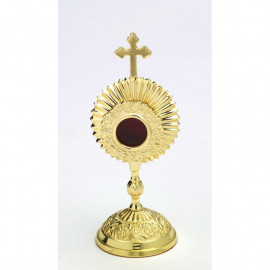
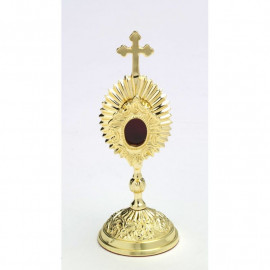
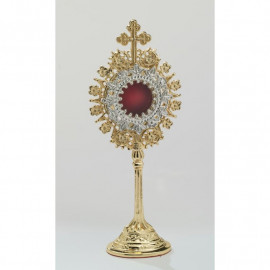
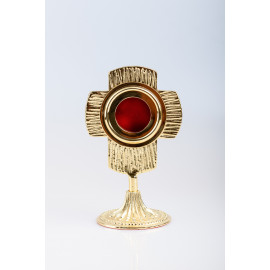
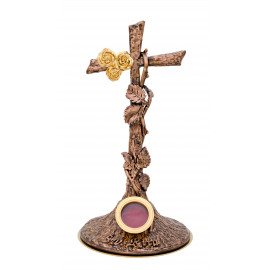
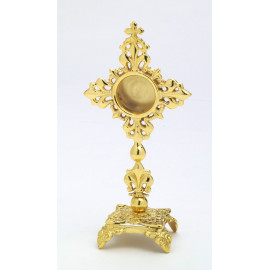
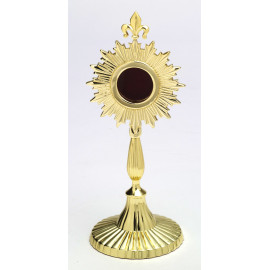
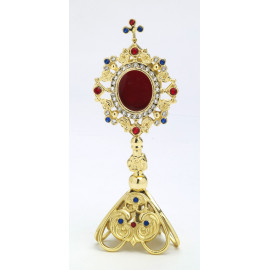
A reliquary, as a vessel, can be made, bought and sold. So can the materials, the craftsmanship, the design and the art. A gilded brass reliquary, a chasse, a theca or a display case is a manufactured object; the relic inside it is not. That is why a church supplier sells reliquaries and not relics, and why the price list refers to the vessel, not to the saint.
The same principle applies to antique reliquaries. An antique dealer may sell the vessel as a work of art or an antique, but the relic — if one is present — should be documented and handled through the diocese. A reliquary with an unverified relic is not a bargain; it is a question that needs an answer.
Red Flags in the Antique Market
- Listings that price a relic by class or by saint, as if it were a collectible.
- “Relics” with no certificate, no seal and no provenance.
- Pressure to buy quickly because the relic is “rare” or “about to be sold.”
- Relics removed from a sealed theca and displayed loose.
- Sellers who dismiss Canon 1190 as “a rule for churches, not collectors.”
If you encounter any of these, stop. A relic without documentation cannot be verified, and a purchase cannot make it authentic.
What to Do If You Inherit a Relic
If you inherit a reliquary with a relic, keep the certificate and the seal together. Do not open the theca. Ask the diocese to identify the relic and advise on its care. If the relic is first class, the diocese may recommend that it be transferred to a church or a shrine; if it is a family devotional object, it may remain in the family with the documentation. The key is to keep the chain of authentication intact.
Frequently Asked Questions
Q: Is it a sin to buy a relic?
A: Yes, the sale of sacred relics is forbidden by Canon 1190, and buying a relic as a commodity participates in that prohibition. Relics are obtained through the diocese or a religious community, not purchased. A reliquary, as a vessel, can be bought and sold.
Q: Is it illegal to sell relics?
A: In the Catholic Church, the sale of sacred relics is forbidden by canon law (Canon 1190 §1). The rule is religious rather than civil, but it is binding on Catholics and it is why reputable church suppliers sell reliquaries and not relics.
Q: Can you buy a first-class relic?
A: No. A first-class relic — a part of a saint’s body — cannot be bought or sold. It is obtained through a diocese, a religious order or a shrine, with an authenticity certificate and a seal. If someone offers a first-class relic for sale, treat it as a red flag.
Q: How do you get a relic for a new altar?
A: The diocese coordinates the request. A new church or altar normally receives a relic through the bishop’s office, with an authenticity certificate and a sealed theca. The relic is then placed in the altar stone or in a reliquary according to the diocesan custom.
Q: Can a reliquary be sold?
A: Yes. A reliquary is a vessel, not a relic, and it can be made, bought and sold. If the reliquary contains a relic, the relic itself remains subject to Canon 1190 and should be documented and handled through the diocese.
Related Reading
Read What Are Catholic Relics? Classes, Veneration, and Reliquaries Explained and How to Store Sacred Vessels Safely, or browse our Catholic reliquaries.
